

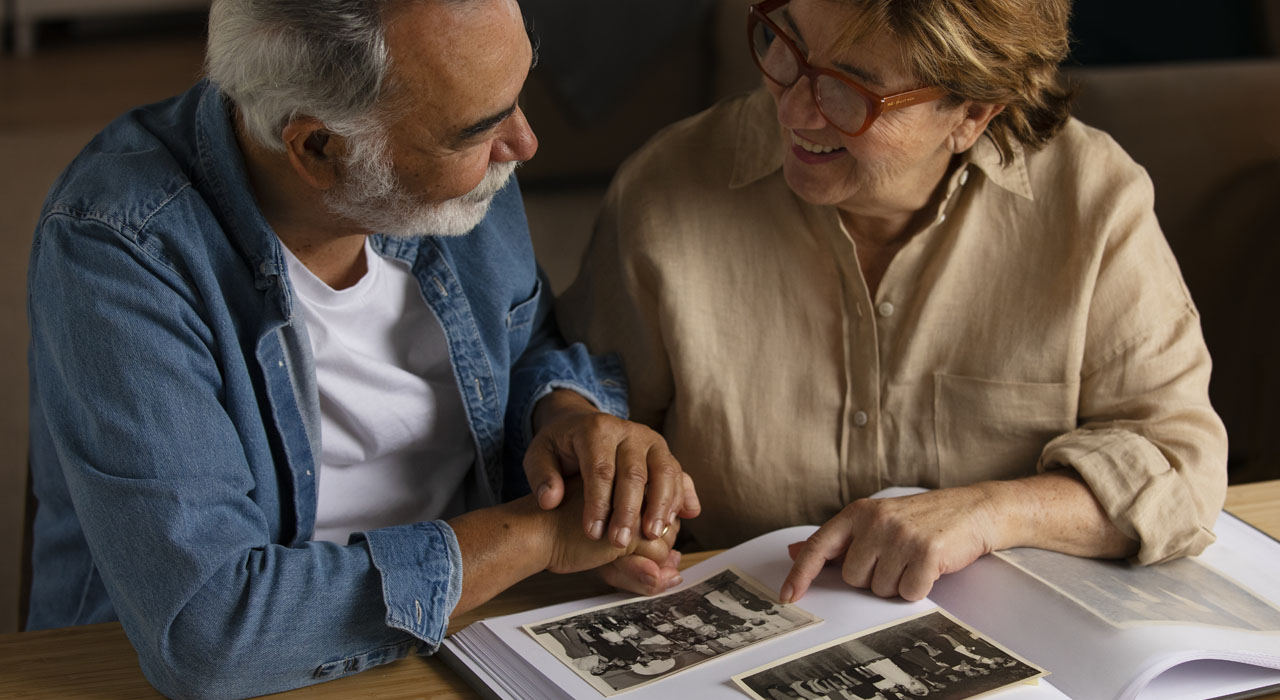
Sharing family stories with photos is a great way to keep memories alive. It connects different generations together. By mixing personal stories with history, you create family narratives that honor your ancestors. Learning from ancestors’ experiences through these stories inspires and guides future generations. Their legacies are celebrated this way. Photos help us see into the past, keeping stories from being forgotten. Each photo can represent a cherished memory and contribute to the family’s legacy. Adding pictures to stories makes your family’s history more interesting and easy to remember.
Understanding your family lineage and using a family tree to connect generations highlights the transformative power of storytelling, ensuring a meaningful legacy for future generations.
Key Takeaways
- Integrating photos with anecdotes enriches family storytelling.
- Personal narratives provide a subjective yet powerful view of history.
- Visual elements create a stronger connection to memories.
- Family albums help preserve stories for future generations.
- Sharing these stories strengthens bonds and cultural heritage.
- Shared stories foster unity and help strengthen bonds across generations.
Introduction to Family Storytelling
Family storytelling is a timeless tradition that weaves together the memories, values, and experiences that define a family’s journey. By sharing family stories, family members create a bridge between generations, allowing younger family members to connect with their roots and understand the unique path their family has traveled. Preserving family stories is a deeply personal process—one that not only honors the past but also lays a solid foundation for future generations to cherish and build upon.
Family stories are more than just tales from the past; they are a rich archive of life lessons, cultural practices, and cherished memories. Through these stories, family members gain a deeper understanding of their family’s history, lineage, and shared heritage. Whether it’s recounting an ancestor’s life, celebrating family traditions, or passing down favorite family recipes, each story adds a new layer to the family’s legacy. For younger family members, hearing about the struggles and triumphs of previous generations can inspire pride and a sense of belonging, while older family members find joy in sharing their own stories and wisdom.
Preserving family stories goes beyond simply recording historical events. It’s about capturing the emotional heart of family life—those moments of laughter, resilience, and togetherness that define who we are. This can be done in many forms: writing memoirs, compiling family journals, creating digital archives of family photos, or even recording oral histories during family gatherings. Each method offers a unique way to keep the family’s stories alive and accessible for future generations.
The benefits of sharing stories within the family are profound. Storytelling strengthens family bonds, encourages mutual respect, and can even promote emotional healing by allowing family members to reflect on and process their shared experiences. It creates a supportive environment where everyone, from the youngest to the oldest, feels valued and heard. By inviting family members to contribute their own stories, families can celebrate multiple perspectives and ensure that everyone’s voice becomes part of the family narrative.
In today’s digital age, preserving family stories has never been easier. Digital tools like family websites, online journals, and social media platforms make it simple to collect, organize, and share stories, photos, and documents. These resources help families stay connected, even across great distances, and ensure that the family’s history is preserved for future generations.
Creating a culture of storytelling within the family requires encouragement and openness. Family members should be invited to share their experiences, and younger generations should be taught the importance of preserving their family’s history. By fostering this tradition, families can build a lasting legacy—one that honors the past, enriches the present, and inspires the future.
In the sections that follow, we’ll explore practical ways to preserve family stories, from oral storytelling and writing memoirs to creating digital archives and celebrating cultural traditions. Whether you’re looking to share your own story or learn from the experiences of your ancestors, this guide will help you start your family storytelling journey and strengthen the bonds that hold your family together.
The Importance of Family Storytelling with Photos
Family history is a beautiful tapestry, and photos are the colorful threads that link the past to the present. By using a family photo sharing platform and keeping an online family photo gallery, you can save special moments. A family website can serve as a central hub for organizing and sharing your family’s shared history, making it easier to preserve and tell your collective stories. This ensures they are accessible for future generations and plays a role in preserving family stories.
Preserving Family Heritage
Every family photo is a peek into the past, capturing life from different ages. Storing these photos in an online family photo gallery protects your unique family heritage and helps illustrate family trees . Digital albums let you gather and display photos from various times, keeping your family’s story alive and well.
“A picture is worth a thousand words, but a family photo can capture a lifetime of memories and stories.”—unknown
Connecting Generations
Sharing family photos connects generations, building a sense of unity and understanding. When the younger ones see images from the past, they feel closer to their ancestors. A family photo sharing platform helps everyone add their own stories and memories, thus contributing to preserving family histories. Be sure to invite family members to participate in sharing and enriching your collection, making it a collaborative family effort.
Creating Lasting Memories
Photos are not just pictures; they hold precious memories. Turning them into family stories makes these moments lively and touching for all. An online family photo gallery is perfect for keeping those special times safe. It becomes a treasure chest of happy memories, capturing the evolving narrative of your family’s journey in stories.
| Feature | Benefit |
| Family Photo Sharing Platform | Enables collaborative archiving and storytelling. |
| Online Family Photo Gallery | Preserves and organizes family history seamlessly. |
Selecting the Right Photos for Storytelling
Choosing the right photos can turn any basic collection into an exciting story about your family’s history. It makes your digital story with family pictures resemble a family journal that i more interesting and enjoyable.
Choosing Meaningful Images
Your photos should bring out emotions and tell important stories. Look for pictures that bring back memories, celebrate big events, or show your family’s traditions. Adding a mix of candid shots and formal events makes your photo book more captivating and reflects family values .
Considering Quality and Clarity
High-quality photos make your family stories look better and feel more touching. Pick images that are clear, well-lit, and sharp. Photos that are taken well are more engaging and can convey life lessons, making your digital storytelling with family pictures look great and feel special.
Curating a Diverse Collection
Having a variety of photos shows your family’s history and culture better. Try to have pictures from different years, places, and of various family members. This approach makes your photo book more detailed and reflects your shared heritage, showing what makes your family unique.

Techniques for Effective Family Storytelling
Telling family stories with photos makes your tales exciting and memorable. Using pictures along with words lets you craft amazing family albums. These albums hold special memories and show deep family moments. Learn some great ways to make your storytelling better, perhaps by integrating written records, or by using oral history to capture spoken narratives and preserve cultural traditions.
Weaving Anecdotes into Visuals
Mix personal stories with pictures to make them alive. For instance, connect a kid’s photo with a funny or sweet story from back then. This blend makes the story feel stronger and enhances the lasting legacy that touches hearts more deeply.
Utilizing Captions and Context
Captions help explain your photos. A clear caption can change a pretty photo into a touching story. In family albums, use captions to detail who, what, when, and where for each picture, helping to unveil the whole story . It helps everyone understand and cherish the moments more.
Engaging the Audience
To make sure everyone loves your photo stories, get them involved. Encourage your family to share their memories or views on the photos. Doing this not only makes the storytelling richer but also encourage family members to share and brings your family closer. It makes the stories more fun and alive.
Creating a Family Story Album
Making a family story album lets you save memories with photos, keeping special moments for the future. You can choose between a digital or paper album, both are great for keeping your family’s story and reflecting on your own life. This album becomes a precious archive of your family’s past. It also serves as a repository for your family’s stories, ensuring they are preserved and accessible for future generations.

Formats: Digital vs. Physical
Deciding between digital and paper? Each has its perks. Digital albums are easy to share and edit anytime, great for staying up-to-date. Paper albums, however, offer a touch of nostalgia that lasts for years. Your choice should reflect your family’s preferences and how you’ll use the album in telling your stories to engage younger generations .
Organizing Photos Chronologically
Arranging photos in order tells your family’s story clearly, showing how times have changed. Start with the oldest photos and move to recent ones. This way, it’s easy to follow the story and see how each generation connects, as this is a deeply personal process that makes the album even more interesting.
The Role of Text and Descriptions
Writing about the photos adds so much to your album. Captions, dates, and short stories make the images pop, turning them into captivating tales. By mixing photos and text, your album will not just save memories but also tell stories that older family members can share and future generations will cherish.
Involving Family Members in the Process
Getting your family involved in storytelling can make relationships stronger. It helps find precious memories and gives them historical context. Older members bring unique perspectives and wisdom to the storytelling process, enriching the experience for everyone.
Collaborating with Different Generations
Working with family members of all ages brings new views. Young and old members add their own stories, and they also share past traditions, enriching the family narrative. This mix makes the family story rich and full of heart, allowing each member to share their life story .
Gathering Stories and Memories
It’s important to get everyone to share their stories for a great photo gallery. Be sure to include immigrant stories to capture the full diversity of your family’s background. You can do this at family gatherings or online meetings. Everyone can add their favorite tales and pictures.
Encouraging Contributions
Getting family members to join in can make them feel part of something special. A photo sharing platform lets everyone easily add their pictures and stories. This way, all kinds of memories are kept alive and valued.
Digital Tools for Family Storytelling
Today, we have many digital tools to make family storytelling special. With the right mix of photo editing apps, storytelling software, and online sharing spaces, you can tell engaging stories. This helps connect your family across generations and keeps important memories alive.
Photo Editing Software Recommendations
It’s important to make your family photos look their best. Use programs like Adobe Photoshop and Lightroom for professional editing work. If you want something easier, try GIMP or Canva. These offer simple ways to adjust and design your photos, making them stand out in your digital narratives.
Storytelling Apps to Consider
Storytelling apps help bring your family photos to life with entertaining stories. Use Storybird and Book Creator for multimedia stories. For something more personal, try PicCollage or Animoto. These apps let you mix photos with music and video for a memorable story experience.
Online Platforms for Sharing
Once you’ve created your family stories, sharing them is your next step. Use Flickr and Google Photos for storing and sharing photos. They’re great for keeping your photos safe and for family to add to. Also, Facebook and Instagram let you share your stories with more people. Or, use a private blog for a closer, family-focused place to read and enjoy.
| Tool | Primary Use | Key Features |
| Adobe Photoshop | Photo Editing | Advanced retouching, color correction, filters |
| Lightroom | Photo Editing | Professional editing, organization |
| Storybird | Storytelling | Multimedia stories with text, images, and audio |
| PicCollage | Storytelling | Combines photos with music and video clips |
| Google Photos | Photo Sharing | Ample storage, collaborative features |
| Photo Sharing | Social media sharing, broader audience reach |
Use these digital tools to make your family stories better. They make stories more fun and easy to share with others. Start your digital storytelling journey today. Find the best way to share your family photos and stories.
Conducting Family Interviews
Family interviews are crucial for storytelling with photos. They help save memories and discover stories that might be lost. Follow these tips to be great at it.
Preparing Questions Ahead of Time
Being prepared is essential for a good family interview. Make a list of questions that invite long answers. For example, ask about memories linked to beloved family photos or stories that show family traditions.
Creating a Comfortable Environment
Making interviewees feel at ease leads to more honest and touching stories. Pick a quiet, known place and show patience and understanding. This way, family members are more comfortable sharing their tales.
Recording or Transcribing Conversations
Recording your interview helps you get every detail right. Use a good recorder or app. If you can’t record, write down the talk as it happens. This ensures you capture every memory with accuracy.
With careful and considerate family interviews, your storytelling with photos will be richer. This way, you’ll keep important memories alive for the future.
Emphasizing Cultural Traditions
Creating family albums becomes more meaningful when you weave in cultural traditions. This approach adds depth and connects generations. It also lets us keep these important traditions alive.

Highlighting Unique Family Practices
Unique family practices make your albums truly stand out. From capturing holiday traditions to family recipes, they reveal what’s special about your family. These moments offer a peek into your family’s uniqueness.
Including Ethnic and Cultural Context
Adding ethnic and cultural context makes your story richer. For example, talking about the roots of a celebration or the traditional attire for events deepens the story. It adds layers to your family’s digital storytelling.
Celebrating Diversity Through Stories
Telling stories from different cultural viewpoints celebrates your family’s diversity. It not only builds pride in heritage but also educates and inspires the younger ones. They learn to appreciate their rich backgrounds.
| Tradition | Origin | Significance |
| Thanksgiving Dinner | United States | Celebrates gratitude and family unity |
| Lunar New Year | East Asia | Marks the beginning of the lunar calendar |
| Diwali | India | Festival of lights celebrating victory of light over darkness |
By doing this, you build more than just family albums. You’re creating stories filled with culture that will be valued for years to come. Your albums will not just share photos but will tell the rich, diverse story of your family’s heritage.
Sharing Family Stories with the Broader Community
Sharing your family stories beyond your close ones is rewarding. By using different platforms and engaging with the community, you can boost the sense of belonging and value for your history. Sharing these stories also ensures that the impact of your family endures, even as the world remains in constant change.
Social Media as a Platform
The internet is great for sharing family tales worldwide. With a family photo sharing platform, uploading and sharing memories is easy. Use Facebook, Instagram, and Pinterest to start an online family photo gallery and connect with others.
Organizing Family Reunions
Family reunions are great for sharing stories. These events promote face-to-face storytelling, strengthening ties and creating new memories. Show an online family photo gallery at reunions to link past and present, enhancing the bond between family members.
Writing for Local History Projects
Adding your family’s stories to local history projects protects your heritage. Working with historical societies or community newsletters lets your tales contribute to the bigger story. This makes family traditions a key part of the community’s culture.
Preserving Stories for Future Generations
Keeping family stories alive ensures that memories and heritage are shared. It is vital to use the right techniques and creative methods. This helps in protecting these priceless stories for the future.
Archiving Techniques
Archiving with both digital and physical methods is crucial for safeguarding photos. Utilize digital services like Google Photos or use external hard drives for backups. For physical photos, acid-free albums and boxes are best to avoid damage.
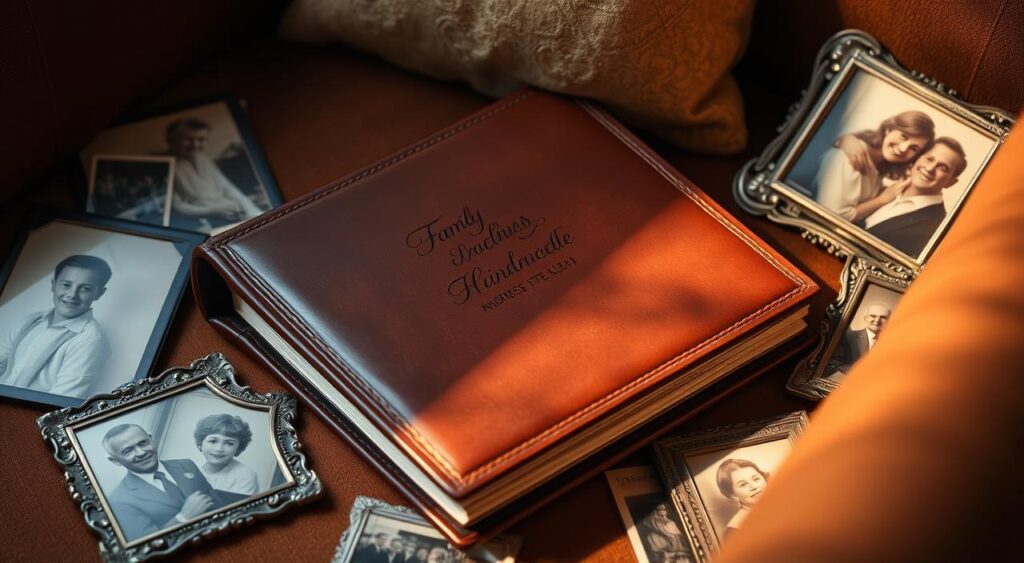
Creating a Family History Book
Creating a photo book for storytelling is a meaningful project. It combines pictures and text to share your family’s history. Using services like Shutterfly and Mixbook can make it easy.
Engaging Young Family Members
Getting young ones involved in storytelling is fun and educational. Encourage their curiosity about photos and relatives. They can add their unique input to the storytelling photo book.
This approach does more than keep memories alive. It also builds a strong sense of family pride and belonging.
| Method | Advantages | Considerations |
| Digital Archiving |
- Easy to share
- Accessible anytime
| Requires regular backups |
| Physical Albums |
- Tangible keepsake
- Long-lasting with proper care
| Susceptible to physical damage |
| Family History Books |
- Comprehensive
- Aesthetically pleasing
| Time-consuming to create |
The Emotional Impact of Family Stories
Family stories have a special power to connect us deeply. Sharing tales and looking at photos together can heal, bring us closer, and shape who we are. They let us express feelings and link different generations.
Healing Through Shared Memories
Coming together to look at family photos can bring peace and healing. Making albums lets us remember and honor our ancestors. This reflection can heal old hurts and give comfort.
Strengthening Family Bonds
Storytelling and album-making are key to tighter family ties. Sharing pictures and stories creates unity and togetherness. This makes families feel more connected and understand their shared story better.
Enriching Personal Identity
Many people find their identity in their family’s past. Photos help us know more about where we come from. Making albums adds to our personal story, helping us feel like we belong.
“The best way to preserve memories is to share them. Photos allow us to relive the moments, keep them alive, and pass them on to future generations.”—Antoine de Saint-Exupéry
Conclusion: Celebrating Family Legacies Through Storytelling
Storytelling with photos is a great way to honor your heritage. Photos remind us of the past, letting us relive and share special memories. By adding stories to these pictures, we make our family’s history richer and help future generations understand our values and experiences.
The Power of Narrative
When you tell stories about your family photos, you offer a deeper look into your ancestors’ lives. These stories, whether they are about happy times, challenges, or daily life, create a colorful history. They teach and inspire us. Let the power of storytelling bring your family’s history to life, making sure your legacy is more than just photos.
Encouraging Ongoing Storytelling
Make sure family storytelling with photos is a tradition that keeps going. Involve everyone in your family, young and old, in this important activity. Keep adding new stories and pictures to keep the tradition alive and strengthen family bonds. Using digital tools for sharing family photos can make it easy for everyone to join in, ensuring your family’s stories last through generations.
Leaving a Lasting Impact
Your work in sharing your family’s history is a gift for the future. These stories give a sense of identity and belonging, improving the lives of your descendants. As you honor your family legacy, know that your efforts in storytelling are leaving a significant mark, cherished for many years.
FAQ
Why is it important to preserve family heritage through photos and storytelling?
Keeping family heritage alive through photos and stories is crucial. It helps us know more about where we come from. This knowledge strengthens our sense of self and family connections. Through these photos and stories, history feels real and important to us.
How do family photos help connect multiple generations?
Family photos act as a link between the past and present. They show us the faces of those who came before us. By learning about their lives, we feel closer to them and to our own family history.
What criteria should I use when selecting photos for family storytelling?
When picking photos for storytelling, look for ones that are clear and meaningful. Choose images that show big events, daily life, and special traditions of your family. You want to build a rich photo collection that tells your family’s story.
How can I effectively weave anecdotes into family photos?
Match each photo with a story that adds depth to it. These stories can be about the photo’s occasion, the people in it, or family customs. Adding detailed captions makes your family’s story even more compelling.
What are the benefits of creating a digital family story album compared to a physical one?
Digital family albums are easy to share and keep safe. They allow family members from anywhere to add to them easily. Physical albums, however, offer a special touch and can become cherished keepsakes. It’s up to your family’s needs which one you choose.
How do you involve different generations in family storytelling?
Get everyone in the family to share their photos and memories. Working together on a family history book is a great idea. This makes everyone feel part of creating your family’s story, inviting family members to make it richer and more varied.
What digital tools and platforms can help with family storytelling?
Use programs like Adobe Photoshop and storytelling apps like StoryCorps for crafting your family’s story. Websites like Ancestry.com and MyHeritage are also great for sharing it. These tools help you make and share your family histories in a beautiful way.
What are some best practices for conducting family interviews?
Plan your questions carefully and make sure your family feels at ease. Record the interviews accurately. It’s essential to respect everyone’s privacy and wishes while doing this.
How can you incorporate cultural and ethnic contexts in family stories?
Showcase your family’s unique traditions and celebrations that highlight your heritage. Adding these elements celebrates your family’s diversity and history. It helps everyone appreciate your family’s special background.
What are some ways to share family stories beyond the immediate family?
Share your family stories online, have reunions, or join local history projects. Connecting with others outside your family can strengthen community bonds and cultural awareness.
How can you ensure that family stories are preserved for future generations?
Keep digital and physical copies of your family stories safe. Consider making a detailed family history book. Getting the younger members involved keeps the tradition going.
What is the emotional impact of sharing family stories?
Sharing family stories brings us closer, heals old wounds, and strengthens our bonds. It deepens our understanding of who we are and connects us to our family’s legacy.