


Looking into different ways to screen for colorectal cancer screening tests can help you avoid the discomfort and long preparation of traditional colonoscopies. Alternatives like virtual colonoscopy, stool based tests stool DNA tests (Cologuard), and fecal immunochemical tests (FIT) provide easier ways to check for colorectal cancer. If the idea of a traditional colonoscopy worries you because of its invasiveness or possible risks, these gentler options might be right for you.
Key Takeaways
- Colonoscopy alternatives provide less invasive options for colon cancer screenings.
- Methods such as FIT, Cologuard, and virtual colonoscopy are available.
- These options can reduce discomfort and preparation complexities.
- Non-invasive screenings are valuable for those cautious of traditional colonoscopies.
- Consulting with your healthcare provider is crucial for making informed decisions.
Understanding the Need for Colonoscopies
A colonoscopy is key for checking colorectal cancer. It uses a flexible tube with a camera to look inside your colon and rectum. This test is essential for detecting precancerous polyps or early cancer signs, so they can be treated fast. Timely screening tests like colonoscopies are crucial for identifying colorectal cancers, ensuring early intervention and better outcomes.
What is a Colonoscopy?
A doctor uses a colonoscope to see inside your colon. It goes through the rectum and examines the entire length of the colon and rectum. They can find and remove small colon polyps that might cause cancer later. Colonoscopies are important for catching colon cancer early.
Why Are Colonoscopies Performed?
Colonoscopies help prevent colorectal cancer and save lives by catching the disease early. They can find cancer and precancerous polyps and remove polyps before they get worse. This makes colonoscopies the best choice among all screening methods.
Risks and Discomforts of Standard Colonoscopy
Colonoscopies are helpful but can have downsides. As an invasive procedure, you may need sedation, and getting ready for it can be hard. There’s also a small risk of abdominal pain, bleeding or tearing the colon. These issues make people interested in easier ways to screen for colon cancer, particularly tests that detect blood in the stool.
A positive test result from non-invasive methods like the Fecal Immunochemical Test (FIT) may require a follow-up colonoscopy to further evaluate potential issues.
Overview of Colonoscopy Alternatives
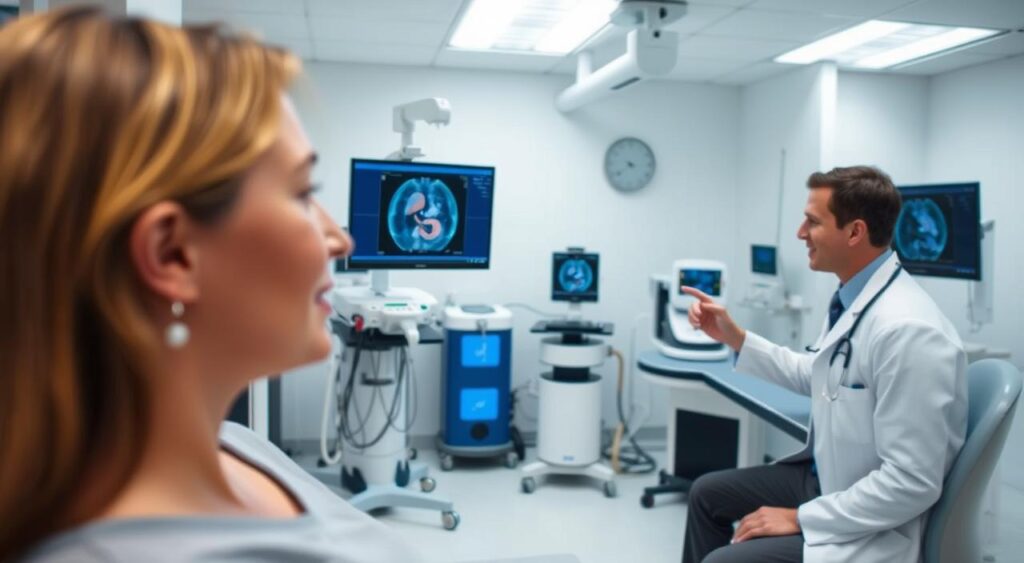
More people are looking for colonoscopy substitutes these days, exploring various colon cancer screening options with their doctors. They want screening methods that are less scary and invasive. That’s why at-home alternative tests for checking colon health, especially for those with irritable bowel syndrome, have become popular. These alternatives offer a way to avoid discomfort and still stay on top of your health.

Choosing the right screening test is crucial for early detection and prevention of colon cancer. Considerations such as cost, insurance coverage, and the thoroughness of the tests should be discussed with a healthcare provider to select the most appropriate screening test for individual patients.
Benefits of Exploring Alternatives
Seeking colonoscopy substitutes has its perks, especially if you’re not keen on traditional methods. A stool based test, such as stool DNA testing, is a convenient and effective noninvasive screening method for colon cancer. At-home tests like the Fecal Immunochemical Test (FIT) and stool DNA tests are convenient. They let you collect samples without leaving your house. Then there’s virtual colonoscopy. It’s another option that doesn’t involve much invasion but still checks your colon and rectum effectively.
- Less Physical Invasion: These alternatives involve minimal physical interaction compared to traditional colonoscopy procedures.
- **Convenience:**At-home colon cancer screening options like FIT and stool DNA tests allow you to perform the test at your convenience.
- No Sedation Required: Unlike standard colonoscopies, these alternatives do not require sedation, making the process safer and simpler.
Limitations of Some Alternatives
Even though colonoscopy substitutes have lots of pros, they’re not perfect. For example, at-home screening tools might not always be as accurate as the traditional colonoscopy. This could lead to wrong results, which means you might need more tests. Also, some health issues could slip through unnoticed with these less invasive methods. If these initial tests yield abnormal results, a follow-up colonoscopy is necessary for a thorough evaluation and potential removal of precancerous growths.
| Screening Method | Advantages | Limitations |
| Fecal Immunochemical Test (FIT) | Convenient, Non-Invasive | Potential for False Positives/Negatives |
| Stool DNA Test (Cologuard) | At-Home Collection, Privacy | Higher Cost, Potential Follow-Ups |
| Virtual Colonoscopy (CT Colonography) | Non-Invasive, No Sedation | May Miss Small Polyps, Involves Radiation |
Fecal Immunochemical Test (FIT)
The fecal immunochemical test (FIT) is a key player in non-invasive colon cancer checks. It’s an easy way for spotting early signs of colorectal cancer. This is especially good for those wary of more hands-on methods.
What is FIT?
FIT works by finding hidden blood in your stool. Hidden blood can mean there’s bleeding in your gut, a possible sign of cancer. This simple test doesn’t ask you to change your diet before taking it, which many people like.
How is FIT Conducted?
To do the fecal immunochemical test, you just collect a tiny sample of your stool with a kit from your doctor. This means you can do it at home, without going to a clinic. After you collect the entire stool sample, you send it to a lab. There, they check it for blood you can’t see with your eyes.
Pros and Cons of Using FIT
The fecal immunochemical test is great because it’s not invasive. It’s a good choice if the idea of a fecal occult blood test or colonoscopy seems scary. There’s no need for sedation, and you can go about your day right after you’ve given your sample.
However, FIT isn’t perfect. It’s good at finding blood in your stool but might miss some polyps and cancers. So, if your test comes back with something concerning, you’ll likely need a colonoscopy to check things out fully. For effective monitoring, the FIT test should be repeated yearly.
Stool DNA Test (Cologuard)
The Stool DNA test, or Cologuard, offers a new way to screen for colorectal issues without surgery. This dna stool test is simple to use and works from home.
How Does Cologuard Work?
The Cologuard test checks stool samples for DNA markers and blood. Cologuard detects DNA mutations indicative of cancer or polyp cells. These signs could mean cancer or precancer in the colon. It looks for DNA that cancer cells in the colon shed.
Potential Benefits of Cologuard
Using Cologuard means you can test yourself at home. You won’t have to change your diet or do bowel prep. It’s a handy option compared to a traditional colonoscopy, and it can detect signals of colorectal cancer or pre-cancerous polyps.
This makes it easier to keep up with regular screenings.
Limitations and Considerations
The Stool DNA test isn’t as sensitive as a colonoscopy. So, you need to do it more often. If you get an unusual result, you might need more tests.
Let’s compare the Stool DNA test and traditional colonoscopy:
| Feature | Stool DNA Test (Cologuard) | Colonoscopy |
| Method | Stool sample analysis | Endoscopic examination |
| Invasiveness | Non-invasive | Invasive |
| Frequency | Every 3 years | Every 10 years |
| Sensitivity | Lower | Higher |
| Preparation | No bowel prep needed | Bowel prep required |
Virtual Colonoscopy (CT Colonography)
Virtual colonoscopy, known as CT colonography, utilizes computed tomography to create detailed 3-dimensional images of the colon and rectum. It is a non-invasive way to check the colon and rectum. Because it uses special CT imaging, no sedation is needed. This means recovery is easier and less risky.
Advantages of Virtual Colonoscopy
The minimal invasiveness of a virtual colonoscopy is a big plus. People looking for colonoscopy alternatives often choose this. They want to steer clear of the discomfort and dangers of traditional ones, which come with a very small risk of injury or puncture to the colon.
Notable benefits are:
- No sedation required, leading to a speedy recovery.
- A lower chance of bowel injuries.
- It can also spot other problems in the abdomen.
The Procedure Explained
Here’s how a virtual colonoscopy works:
- First, you prep your bowel to clean out the colon.
- Then, a small catheter is inserted into the rectum to inflate the colon with air or carbon dioxide for clearer pictures.
- Finally, the CT scan generates many images for a detailed 3D view.
Who Might Benefit from Virtual Colonoscopy?
Those who can’t have a regular colonoscopy might opt for a virtual colonoscopy. It’s for people wanting a less invasive colonoscopy alternative. But, it’s not the best at spotting tiny lesions. Talking with a healthcare provider is key to choosing right.
Flexible Sigmoidoscopy
Flexible sigmoidoscopy is a procedure where doctors look inside your lower colon. They use a thin tube with a tiny video camera. This tube goes through your rectum to show the sigmoid colon.
What is Flexible Sigmoidoscopy?
This method checks out the sigmoid colon, the bottom part of your large intestine. It’s not as full-on as a colonoscopy, which looks at the entire colon. Flexible sigmoidoscopy is simpler and often used to spot early signs of colorectal problems. Collecting a full bowel movement sample is crucial for accurate test results and ensures the colon and rectum are emptied before the procedure to obtain clear images and results.
Comparison with Traditional Colonoscopy
Comparing sigmoidoscopy vs colonoscopy, they differ in scope and detail. Sigmoidoscopy is easier on you and less risky but might miss issues in the rest of the colon.
Here’s a clearer comparison:
| Aspect | Flexible Sigmoidoscopy | Traditional Colonoscopy |
| Area Examined | Sigmoid colon | Entire colon |
| Invasiveness | Less invasive | More invasive |
| Comfort | More comfortable | Less comfortable |
| Risk of Missing Abnormalities | Higher (outside the sigmoid area) | Lower |
When is it Recommended?
Doctors suggest flexible sigmoidoscopy for people with a low risk of colorectal cancer. It’s good for spotting issues in the sigmoid colon. It might be the first step before a more detailed examination like a full colonoscopy.
Evaluation of Risk Factors
Looking into colonoscopy alternatives for colon cancer screening? It’s vital to consider your personal risks. Factors such as your past medical history, family background, and genetics are key. They help decide how often and what kind of screening you need.
Importance of Personal Medical History
Your medical history is really important when looking at risks for colon cancer. Individuals with Crohn’s disease should begin screening before the age of 45 due to their increased risk for colorectal cancer. Issues like inflammatory bowel disease, having polyps before, or a colorectal cancer history can up your risk. This might mean you need screenings more often or different kinds.
Talking with your healthcare provider about cancer screening tests for colon cancer is a good move if you’re at higher risk. This chat helps pick the best and right test for you.
Family History and Genetic Considerations
Your family’s health history and your genes are big factors too. Having family with colorectal cancer can raise your risk. Individuals at average risk should begin regular screenings at age 45. It’s partly because of possible genetic links.
Advanced genetic tests might show mutations, like Lynch syndrome, that spike your risk. Knowing these can help you and your doctor find the best colonoscopy alternatives. This way, especially if you have conditions like ulcerative colitis you can manage your risk well.
Lifestyle Factors That May Reduce Risk
Making healthy choices can greatly help in colorectal cancer prevention and in managing other digestive and kidney diseases. Focusing on your diet and staying active are key. These changes can boost your health, improve your digestive tract, and may lower your risk of colorectal cancer.
Diet and Nutrition Recommendations
Eating lots of fiber, fruits, and veggies is key. Add more whole grains, beans, and lean proteins to your diet. Cut down on red and processed meats. It’s also good to get plenty of calcium and vitamin D for your digestive health. A healthy diet also promotes heart health.
The Role of Regular Exercise
Staying active plays a big role in colorectal cancer prevention. Activities like walking, running, biking, or swimming for 30 minutes a day are beneficial. They help you keep a healthy weight and lower inflammation, which keeps your colon healthy. Regular workouts also boost your immune system and metabolism.
By adding these healthy habits to your life, you can greatly reduce your colorectal cancer risk. Plus, by maintaining disease control you’ll improve your overall health.
Consulting with Your Healthcare Provider
Talking with your healthcare provider about other ways to check your colon is key. Different tests have their own pros, cons, and how often you need them. It depends on your health and risk level. Getting advice from a professional helps make sure you choose the best option for you.
Importance of Professional Guidance
It’s important to get advice from a healthcare professional when looking at other options besides a colonoscopy. They can tell you all about each test – what’s good and what’s not. They consider your health, your family’s health history, and your personal risks, including radiation exposure, to suggest the best screening for you. The U.S. Preventive Services Task Force provides guidelines and recommendations to ensure diverse screening options are available, particularly for individuals aged 50 to 75. The American Cancer Society also offers guidelines and recommendations for colorectal cancer screening, emphasizing the importance of following these guidelines for various screening tests.
How to Discuss Alternatives with Your Doctor
When you talk about other tests with your doctor, be open and ask lots of questions. You’ll want to know how well each test works, what you need to do to get ready, and any risks. Share your own and your family’s health history. This information is crucial to finding the right test. This conversation about your bowel habits is a big step toward taking care of your health in the future.
FAQ
Why Are Colonoscopies Performed?
They help find and stop colorectal cancer early. This is by spotting and removing polyps and abnormal tissue before they turn cancerous.
What Are the Risks and Discomforts of a Standard Colonoscopy?
Colonoscopies can cause discomfort and need sedation. There’s also a small risk of colon perforation.
What Benefits Come with Exploring Colonoscopy Alternatives?
Alternatives like FIT, Cologuard, and virtual colonoscopies are less invasive. They don’t need sedation, offering comfort and convenience.
What are the Limitations of Some Non-Invasive Colon Cancer Screenings?
Non-invasive tests may not be as thorough as colonoscopies. They might miss some issues, leading to a false positive result and needing extra tests later.
What is the Fecal Immunochemical Test (FIT)?
FIT is a simple test that looks for hidden blood in stool. It can hint at cancer through a chemical reaction by finding blood you can’t see.