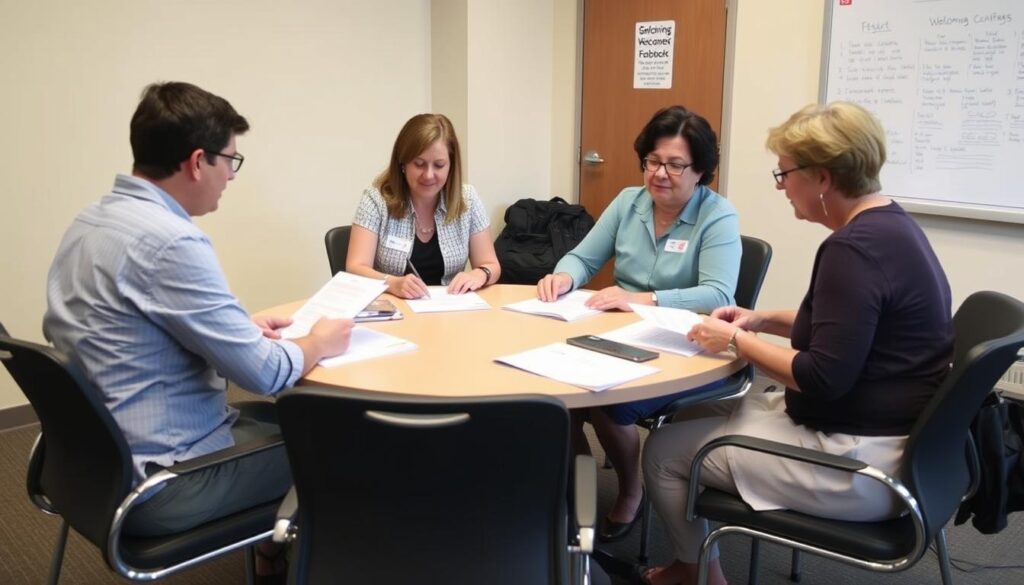



Creating a welcoming committee that genuinely connects with visitors is crucial for welcoming guests in today’s fast-paced world. Visitors should be greeted warmly as guests, making them feel acknowledged from the moment they arrive. However, many churches struggle with making a good first impression, often missing opportunities to help new visitors feel comfortable and included. Whether for a church, school, or community organization, the first impression visitors receive can determine whether they return or drift away. The most effective welcoming committees go beyond superficial greetings to establish authentic relationships that make newcomers feel truly valued and included.
In this comprehensive guide, we’ll explore proven strategies for developing welcoming committees that work—transforming casual church visitors into engaged members through intentional hospitality and genuine friendship. Congregations that focus on meeting people and saying hello help every stranger feel welcomed, fostering a sense of belonging from the start. You’ll discover practical steps, real-world examples, and downloadable resources to help your organization create a culture of belonging from the very first hello.
Forming a small group within the welcoming committee can be especially effective, as it allows new visitors to connect with a supportive group, encouraging them to attend and keep attending. This approach helps ensure that each new visitor is not just greeted, but also integrated into the life of the community.
People who have attended before are more likely to return if they felt welcomed by the group, reinforcing the importance of genuine hospitality and ongoing engagement.
Why Effective Welcoming Committees Matter
The impact of a well-functioning welcome committee extends far beyond first impressions. Research shows that visitors typically decide within the first 7-10 minutes whether they feel comfortable in a new environment. During this critical window, your welcoming committee serves as the bridge between uncertainty and belonging. In many churches, new visitors are asked to stand during Sunday service so the whole congregation can welcome them, making the experience more inclusive and memorable.
“People don’t care how much you know until they know how much you care. A welcoming committee that prioritizes authentic connection and the holy spirit over information transfer will always be more effective.” The pastor plays a vital role in ensuring that visitors’ questions are answered and that no one is forgotten, setting the tone for a truly welcoming environment.
- Dr. James Wilson, Community Engagement Specialist, who believes that fostering close friends in new communities is essential. Pointed efforts to talk with visitors, encourage them to attend again, and engage in meaningful talks can make a significant difference in whether someone feels welcomed and chooses to return.
Organizations with structured welcoming committees in the church report significantly higher retention rates among new visitors. Churches implementing comprehensive welcome strategies see up to 80% higher return rates for first-time guests. Schools with parent welcome committees experience increased family involvement throughout the academic year. Attending church regularly helps people encounter Christ and grow closer to God, deepening their spiritual journey and sense of community.
Beyond the numbers, effective welcoming committees create a culture that values each person’s unique contribution to the community. This foundation of belonging supports every other aspect of your organization’s mission and vision.
Free Welcoming Assessment Tool
Evaluate your current welcoming process with our comprehensive assessment tool. Identify strengths and opportunities for improvement in just 5 minutes. This tool is designed to help you reflect on key aspects such as the friendliness of your greeters, the clarity of your signage, the availability of helpful information, and the effectiveness of your follow-up procedures. It also helps determine if visitors’ questions have been fully answered, ensuring that their needs are addressed and no important queries are left unresolved.
By using this assessment and greeting everyone with a good morning , you can pinpoint specific areas where your welcoming committee excels and uncover potential gaps that may cause visitors to feel overlooked or confused. The insights gained will empower your team to implement targeted strategies that enhance visitors’ first impressions and foster a genuine sense of belonging.
Whether your organization is just starting to build a welcoming committee or looking to refine existing practices, this tool offers a practical way to measure progress and set actionable goals. Regular use of the assessment can also track improvements over time, ensuring your welcoming efforts remain dynamic and responsive to the needs of new visitors.
5 Core Principles of Welcoming Committees That Work
The most effective welcoming committees share common principles that engage the congregation and transcend specific contexts. Congregations that embrace these principles create a more welcoming environment for all members and newcomers. Whether in a faith community, school, or neighborhood organization, these foundational elements create the conditions for authentic connection.
1. Empathy-Centered Training
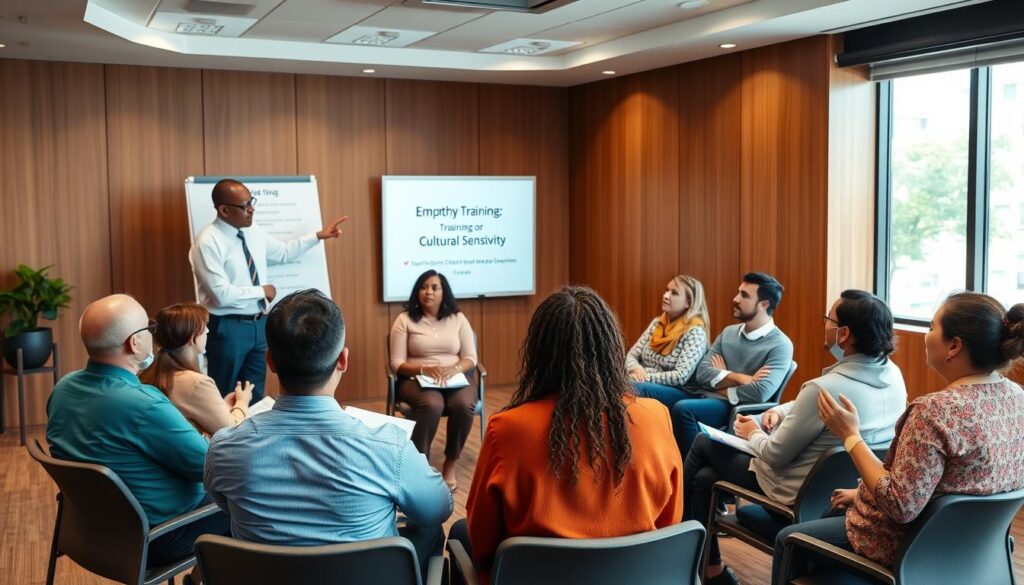
Effective committees prioritize empathy training that helps members understand the emotional experience of entering an unfamiliar environment. This training goes beyond scripted greetings to develop genuine concern for visitors’ comfort and needs. Training also includes learning how to talk with visitors in a way that makes them feel comfortable and welcome.
Committee members learn to recognize signs of discomfort or uncertainty and respond appropriately. Role-playing exercises help greeters practice scenarios like welcoming someone who appears anxious, accommodating physical disabilities, or engaging with children.
Regular refresher training keeps empathy at the center of the welcoming process, preventing interactions from becoming routine or mechanical over time.
2. Cultural Sensitivity and Inclusion
As communities become increasingly diverse, welcoming committees must develop cultural competence as a course for understanding. This includes awareness of different cultural norms around greetings, personal space, and communication styles.
Effective committees include members from various backgrounds who can help bridge cultural gaps. They provide resources in multiple languages when appropriate and ensure that welcoming materials reflect the diversity of potential visitors.
Cultural sensitivity training helps committee members avoid assumptions and recognize that “welcoming” may look different across cultural contexts. By fostering this awareness, committees are better equipped to welcome the stranger, regardless of background, and create a more inclusive environment for all.
3. Systematic Follow-Up Processes
The most successful welcoming committees understand that authentic relationships develop over time. They implement structured follow-up systems that extend the welcome beyond the first visit.
These systems might include personalized thank-you notes, phone calls within 48 hours, or invitations to upcoming events. The key is consistency—ensuring every visitor receives appropriate follow-up without overwhelming them. Follow-up processes also help confirm that any questions visitors had during their initial visit are fully answered, providing clarity and support as needed.
Effective committees track interactions to prevent gaps or duplications in the follow-up process, often using simple database systems to coordinate their efforts.
4. Clear Roles and Responsibilities
When everyone is responsible for welcoming, often no one takes ownership. Effective committees define specific roles with clear responsibilities, ensuring comprehensive coverage without overwhelming any individual. Having a dedicated group for each role ensures that every aspect of welcoming is managed and nothing is overlooked.
Common roles include greeters (first point of contact), guides (facility tours), connectors (introducing visitors to others with similar interests), and follow-up coordinators. Each role requires different skills and personality types.
Regular rotation of responsibilities prevents burnout while allowing committee members to develop various welcoming skills.
5. Continuous Evaluation and Adaptation
The most effective welcoming committees regularly assess their effectiveness during worship service and adapt their approaches based on feedback. They create safe channels for visitors to share their experiences, both positive and negative.
Successful committees establish measurable goals (such as return visit rates or visitor satisfaction scores) and track progress over time. They remain open to constructive criticism and view challenges as opportunities for growth.
This commitment to improvement keeps the committee responsive to changing community needs and prevents stagnation in welcoming practices.
Welcoming Committee Training Guide
Access our comprehensive training guide covering all five core principles with practical exercises, discussion questions, and implementation strategies. This guide is designed to equip your welcoming committee members with the skills and confidence needed to create authentic connections with visitors. It includes modules on active listening, non-verbal communication, cultural awareness, and handling challenging situations with grace.
The training emphasizes the importance of embodying a warm and friendly demeanor, encouraging members to greet people with genuine smiles, shaking hands when appropriate, and making eye contact to convey sincere interest. Role-playing scenarios help participants practice greeting a new person, saying hello in various contexts, and initiating meeting people to build relationships and foster a welcoming environment, especially for those who may feel hesitant or overwhelmed.
Additionally, the guide provides insights into understanding the emotional journey of visitors—from the moment they approach the front door to their experience during church services and fellowship hall activities. Committee members learn how to recognize when visitors feel comfortable or uneasy and how to respond by offering assistance or simply standing nearby to provide a reassuring presence.
To deepen the spiritual aspect of welcoming in a new church , the training incorporates reflections on the Greek word for hospitality, philoxenia, meaning “love of strangers,” and explores biblical examples of welcoming strangers with compassion and kindness. This spiritual foundation inspires committee members to practice hospitality as an expression of their faith in Christ Jesus and their commitment to building a welcoming community.
The guide also addresses practical matters such as coordinating with church leadership to ensure that welcoming efforts align with overall church services and schedules, including service times and small groups. It encourages collaboration with pastors and active members to create a cohesive approach that makes visitors feel valued throughout their entire experience.
By completing this training, your welcoming committee will be prepared not only to greet visitors warmly but also to foster meaningful relationships that encourage new comers to become engaged members of your congregation. This ongoing commitment to welcoming strangers with authentic friendship strengthens the bonds within your faith community and reflects the love of Jesus Christ in action.
Real-World Examples of Welcoming Committees That Work
Learning from successful models can provide valuable insights for your own welcoming committee, ensuring you don’t give a wrong impression to newcomers. People who have attended welcoming events are more likely to become engaged members, as positive first experiences encourage ongoing involvement. Here are three diverse examples of organizations that have created exceptionally effective welcoming processes.
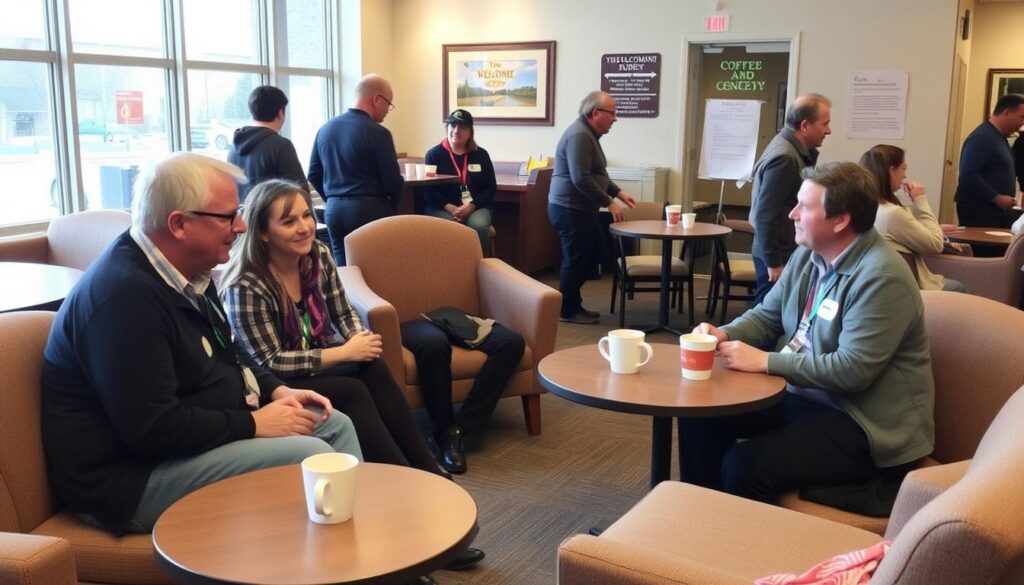
Oakridge Community Church: Coffee & Conversation Buddy System
Oakridge Community Church transformed their welcoming approach by implementing a “Coffee & Conversation” buddy system that pairs first-time visitors with established members who share similar interests or life stages. New visitors are greeted warmly by their buddy upon arrival, ensuring they feel noticed and valued from the moment they enter.
After the initial greeting, visitors are invited to a designated area where refreshments are served. Their welcoming card includes a few conversation starters about their interests, which helps match them with an appropriate buddy. This established member then spends 15-20 minutes in conversation, answering questions and making personal connections.
The results have been remarkable—Oakridge reports that 68% of first-time visitors return for a second visit, compared to just 25% before implementing this system. The key to their success is the intentional matching process and the training buddies receive in asking thoughtful questions rather than simply providing information.
Westfield Elementary: New Family Integration Program
Westfield Elementary School created a comprehensive welcome program for new families that begins before the first day of school and continues throughout the first semester.
Their welcoming committee includes both staff and parent volunteers who host a “New Family Orientation” two weeks before school starts. Each new family is paired with a “mentor family” who has a child in the same grade. These mentors make personal contact before school begins and meet the new family at drop-off on the first day. Through this mentor system, new families feel genuinely welcomed and supported as they join the school community.
The committee also organizes grade-specific playdates and a “New Parent Coffee” during the first month of school. Their systematic approach has increased parent involvement by 45% among new families and created lasting friendships that extend beyond the school community.
Riverside Neighborhood Association: Welcome Wagon 2.0
Riverside Neighborhood Association reimagined the traditional “welcome wagon” concept for today’s diverse communities. Their welcoming committee creates personalized welcome packages for new residents that include local business coupons, community event calendars, and neighborhood guides. These packages are designed to help each guest feel at home in the neighborhood.
What makes their approach unique is their “Neighborhood Ambassador” program. The association divides the neighborhood into small zones, each with a designated ambassador responsible for welcoming new residents. These ambassadors receive cultural sensitivity training and access to translation services when needed.
The committee also hosts quarterly “Newcomer Nights” at different locations throughout the neighborhood, creating ongoing opportunities for new residents to connect. This multi-layered approach has increased neighborhood event attendance by 60% and significantly strengthened community bonds.
Coffee & Conversation
- Intentional matching based on interests
- Trained conversation partners
- Comfortable, low-pressure environment
- Engaging in meaningful talk to foster genuine connections and make visitors feel welcome
- Follow-up invitation to specific events
New Family Integration
- Pre-arrival welcome contact
- Mentor family pairing system
- Grade-specific social events
- Structured 3-month support process
Welcome Wagon 2.0
- Zone-based ambassador system
- Culturally sensitive welcome packages
- Quarterly integration events
- Local business partnerships
Step-by-Step Guide to Implementing Your Welcoming Committee
Creating an effective welcoming committee requires thoughtful planning and systematic implementation. Starting with a small group of committed members can help build momentum and enthusiasm for the welcoming committee, making it easier to engage the wider parish community. Follow these steps to develop a committee that creates authentic connections with visitors.
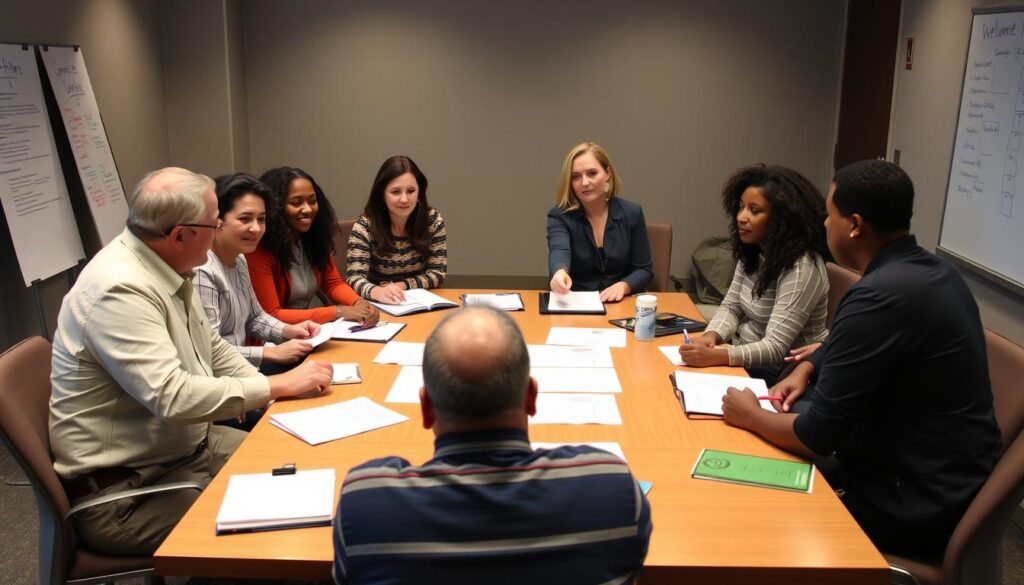
Step 1: Assess Current Welcoming Practices
Before forming a new committee or revamping an existing one, evaluate your organization’s current approach to welcoming visitors. Consider conducting a “secret visitor” exercise where someone unfamiliar with your organization provides feedback on their experience.
Document the entire visitor journey from parking lot to follow-up. Identify both strengths to build upon and gaps that need addressing. Gather input from recent newcomers who have successfully integrated into your community about what helped them feel welcome.
This assessment provides a baseline for measuring improvement and helps identify priority areas for your committee to address.
Step 2: Recruit the Right Team Members
The effectiveness of your welcoming committee depends largely on selecting the right people. Look for individuals who naturally demonstrate empathy, attentiveness, and genuine interest in others. Your committee should reflect the diversity you hope to welcome.
Consider creating an application process that helps identify these qualities rather than simply accepting all volunteers. Include questions about why they want to serve and how they personally connect with newcomers.
Aim for a mix of personalities, including both outgoing “connectors” and more observant individuals who notice when someone needs assistance. Include both long-time members who know your organization well and relative newcomers who remember the first-time experience.
Step 3: Develop Clear Roles and Responsibilities
Create specific roles based on your organization’s needs and the visitor journey you’ve mapped. Clearly define responsibilities for each role and develop simple job descriptions that committee members can reference.
| Role | Primary Responsibilities | Key Qualities Needed |
| Greeter | First point of contact, warm welcome, basic directions | Approachable, observant, good first impression |
| Guide | Facility tours, answering questions, introducing key areas | Knowledge of organization, patience, good communicator |
| Connector | Introducing visitors to others with similar interests | Good listener, knows community members well |
| Follow-up Coordinator | Managing contact information, ensuring timely follow-up | Organized, consistent, good with details |
| Welcome Resources Manager | Maintaining welcome materials, information packets | Attention to detail, creativity, organization |
Establish clear communication channels between roles to ensure seamless handoffs throughout the visitor experience. Create a schedule that rotates responsibilities to prevent burnout while maintaining consistency.
Step 4: Provide Comprehensive Training
Effective training transforms well-intentioned volunteers into skilled welcomers. Develop a training program that covers both the practical aspects of each role and the interpersonal skills needed for authentic connection.
Include role-playing exercises that simulate challenging scenarios: welcoming someone who appears anxious, accommodating language barriers, or responding to difficult questions. Training should include practicing how to talk to newcomers and how to be talked to in a welcoming way, emphasizing friendly and open conversations. Provide feedback in a supportive environment that encourages growth.
Training should also cover your organization’s mission, values, and programs so committee members can accurately represent your community. Create reference materials that committee members can review as needed.
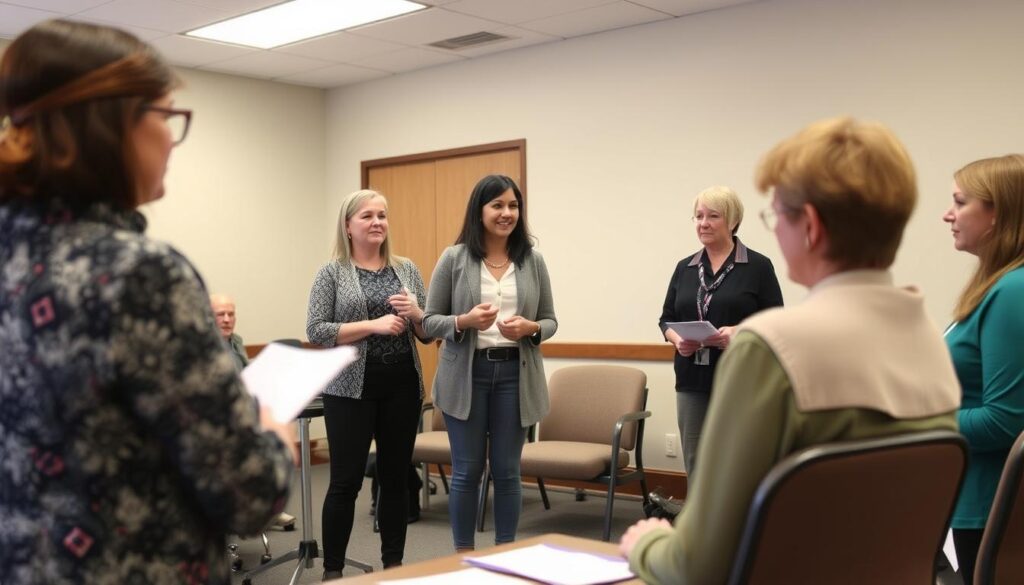
Step 5: Create Welcoming Resources and Materials
Develop high-quality resources that support your welcoming process and provide visitors with relevant information. These might include welcome packets, digital resources, or connection cards that gather visitor information.
Ensure all materials reflect your organization’s values and aesthetic while being accessible to diverse audiences. Consider translations for communities with significant language diversity.
Create both standard materials for all visitors and customizable elements that can be tailored to specific interests or needs. Regularly update these resources to ensure accuracy.
Step 6: Implement a Systematic Follow-Up Process
Develop a clear timeline and process for following up with visitors.
This might include:
- Thank-you email or text within 24 hours
- Personal phone call within 3-5 days
- Handwritten note within one week
- Invitation to a specific event within two weeks
- Check-in contact after one month
Create templates for each type of communication while encouraging personalization based on the visitor’s expressed interests. Establish a system for tracking follow-up to ensure no one falls through the cracks.
Consider using a simple database or CRM system to manage visitor information and follow-up tasks, especially for larger organizations.
Step 7: Establish Evaluation Metrics and Feedback Loops
Determine how you’ll measure the effectiveness of your welcoming committee. Potential metrics include return visit rates, visitor satisfaction surveys, new member integration rates, or qualitative feedback from newcomers.
Create regular opportunities for visitors to provide feedback on their experience, such as brief surveys or conversation cards. Establish a process for the committee to review this feedback and make adjustments.
Schedule regular evaluation meetings where the committee can reflect on what’s working well and what needs improvement. Celebrate successes while maintaining a growth mindset.
Complete Implementation Toolkit
Get our comprehensive toolkit with role descriptions, training outlines, follow-up templates, and evaluation forms—everything you need to launch an effective welcoming committee.
This toolkit is designed to simplify the process of establishing and maintaining a welcoming committee that truly connects with visitors. It includes detailed role descriptions to help you assign responsibilities clearly and match volunteers to positions that suit their strengths and personalities. Training outlines offer step-by-step guidance to prepare your team for a variety of scenarios, ensuring they are confident and equipped to greet visitors with authentic friendship.
Moreover, the follow-up templates provide customizable communication tools such as thank-you emails, phone call scripts, and invitation letters that keep the connection alive beyond the initial visit. Evaluation forms enable your committee to gather valuable feedback from visitors and team members alike, helping you measure success and identify areas for improvement.
By using this complete implementation toolkit, your organization can streamline the welcoming process, foster consistent practices, and build a culture of hospitality that resonates with every visitor. Whether you are starting from scratch or enhancing an existing committee, these resources will empower your team to create meaningful encounters that encourage visitors to become active members of your community.
Common Mistakes to Avoid in Welcoming Committees
Even well-intentioned welcoming committees can fall into patterns that undermine their effectiveness, so it’s vital to pray for guidance and support. Sometimes, committees forget important steps in the welcoming process, such as including prayer and anointing in the preparation of the church welcome area, which can diminish its spiritual effectiveness and significance. Being aware of these common pitfalls can help your committee avoid them.

- Overwhelming visitors with too much information – Bombarding newcomers with details about every program and activity creates information overload rather than connection. Focus on essential information and the visitor’s expressed interests.
- Neglecting to introduce visitors to others – Greeters sometimes monopolize visitors rather than helping them connect with other community members. Effective welcomers know when to facilitate broader connections.
- Inconsistent follow-up – Many committees start strong with initial greetings but fail to maintain contact. This creates an impression that the welcome was merely perfunctory rather than the beginning of a relationship.
- Focusing on procedures over people – When committees become too focused on checking boxes in their welcoming process, they can miss opportunities for authentic connection. The process should serve the relationship, not vice versa.
- Failing to recognize different comfort levels – Some visitors prefer a more reserved welcome while others appreciate enthusiastic engagement. Effective committees train members to recognize and respect these differences.
- Treating all visitors the same way – Different demographics and life stages have different welcoming needs. Families with young children, single adults, seniors, and teenagers may all benefit from tailored approaches.
- Neglecting physical accessibility – Overlooking the needs of visitors with mobility challenges, hearing impairments, or other disabilities can unintentionally communicate that they’re not fully welcome.
- Relying on the same few volunteers – When the same people serve on the welcoming committee for too long without rotation or support, burnout is inevitable and enthusiasm wanes.
Self-Assessment Questions
Review these questions with your welcoming committee regularly:
- Are we listening more than we’re talking during initial interactions?
- Do we have a system to ensure consistent follow-up with every visitor?
- Have we created pathways for visitors to move from welcome to meaningful involvement?
- Are we regularly gathering and responding to feedback from newcomers?
- Does our committee reflect the diversity we hope to welcome?
Welcoming Script Templates for Different Scenarios
While authentic welcomes should never feel scripted, having thoughtful templates can help committee members navigate different welcoming scenarios with confidence. For example, scripts can remind members to say hello in a warm and friendly way, making guests feel immediately at ease. These examples can be adapted to fit your specific context.
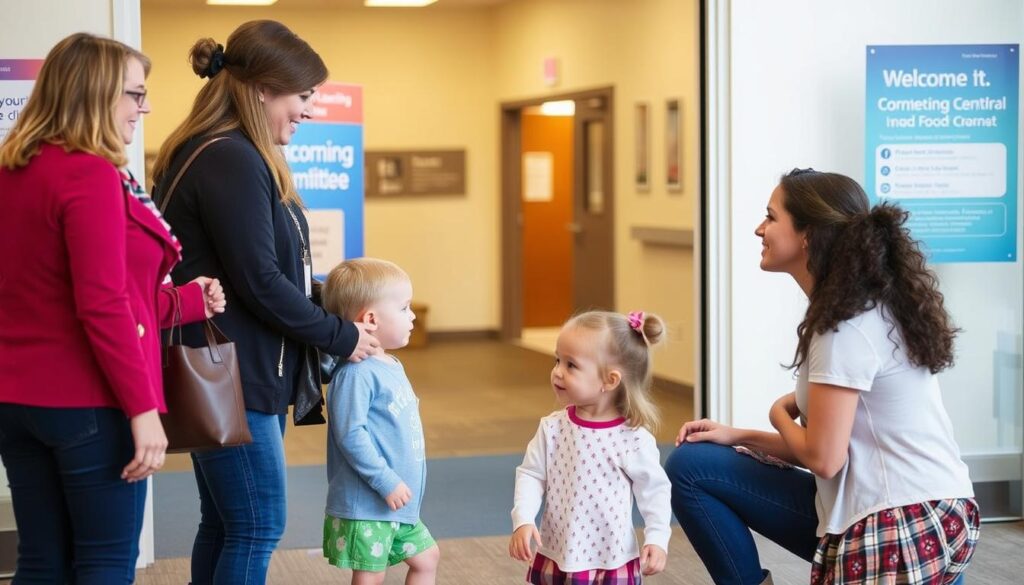
For First-Time Visitors
“Hello! I’m [name] and I’m part of the welcome team here. We’re so glad you’ve come today. Are you a new visitor with us? [Wait for response] Welcome! I’d be happy to show you around or answer any questions you might have. Would you like me to walk with you to [relevant area] or would you prefer to explore on your own?”
For Families with Children
“Welcome! I’m [name]. It’s great to see your family today! [Bend down to child’s eye level] And what’s your name? [After child responds] It’s nice to meet you, [child’s name]! We have some wonderful activities for children your age if you’re interested. Would you like me to show you and your parents where those happen, or would you prefer to stay together as a family today?”
Key elements: Acknowledge both parents and children, get down to child’s eye level, offer information about children’s programs, respect family preferences.
For Returning Visitors
“Hello again! [Use their name if you remember it] It’s great to see you back! How was your week? [Engage in brief conversation] The last time you attended, was there anything you had questions about, or is there something specific you’re interested in learning more about today?”
For Visitors Who Appear Hesitant
“Hello there. I’m [name]. I’m part of the welcome team, and I’m here if you need anything at all. Feel free to take your time getting comfortable, and please don’t hesitate to ask if you have any questions. Would you prefer some space to look around, or would you like me to introduce you to a few people?”
Key elements: Gentle approach, offer presence without pressure, acknowledge potential discomfort, provide clear options.
For Non-Native English Speakers
“Hello and welcome! I’m [name]. [Speak slowly and clearly, not loudly] We’re glad you’re here today. [Use simple language and pause between sentences] Do you have any questions I can help with? [Be prepared with written information or translation resources if available]”
Key elements: Clear, simple language, appropriate pace, visual supports when possible, patience with communication challenges.
For Online or Virtual Visitors
“Welcome to our online community! I’m [name] and I’m one of the hosts here. We’re so glad you’ve joined us today. If you feel comfortable, you’re welcome to introduce yourself in the chat. I’m available for any questions via private message, and I’d be happy to connect you with others who share your interests.”
Key elements: Acknowledge the online environment, provide clear ways to engage, offer both public and private communication options, respect privacy preferences.
Customizable Welcoming Scripts
Download our complete collection of welcoming scripts for various scenarios, including printable pocket guides for your committee members. These scripts are designed to provide a flexible framework that can be adapted to fit the unique culture and needs of your organization.
Each script emphasizes the importance of greeting visitors with authentic friendship and warmth, ensuring that every interaction feels personal rather than scripted. The scripts also encourage meaningful talks with visitors, helping to foster relationships and create a more engaging church experience. Committee members can use these guides to confidently approach first-time guests, families with children, returning visitors, and those who may appear hesitant or overwhelmed.
The scripts also include language options and culturally sensitive phrases to help your team connect with visitors from diverse backgrounds. By equipping your welcoming committee with these resources, you empower them to create meaningful encounters that foster a sense of belonging from the very first moment.
Moreover, the pocket guides serve as handy reminders during busy events, helping greeters maintain a consistent and welcoming tone without sounding rehearsed. Regularly updating and customizing these scripts based on feedback and new insights will keep your welcoming efforts fresh and effective.
In addition to verbal greetings, the collection offers suggestions for non-verbal communication, such as appropriate eye contact, smiling, and body language cues, which are critical components of making visitors feel truly seen and appreciated.
By integrating these customizable welcoming scripts into your training and daily practice, your committee will be better equipped to embody the core values of hospitality and authentic friendship that define successful welcoming committees that work.
Creating a Culture of Welcome: Beyond the Committee
While a dedicated welcoming committee is essential, truly effective hospitality extends throughout your entire organization. Creating a culture of welcome involves the whole congregation, not just the committee. The most welcoming communities develop a culture where every member sees themselves as part of the welcoming process.
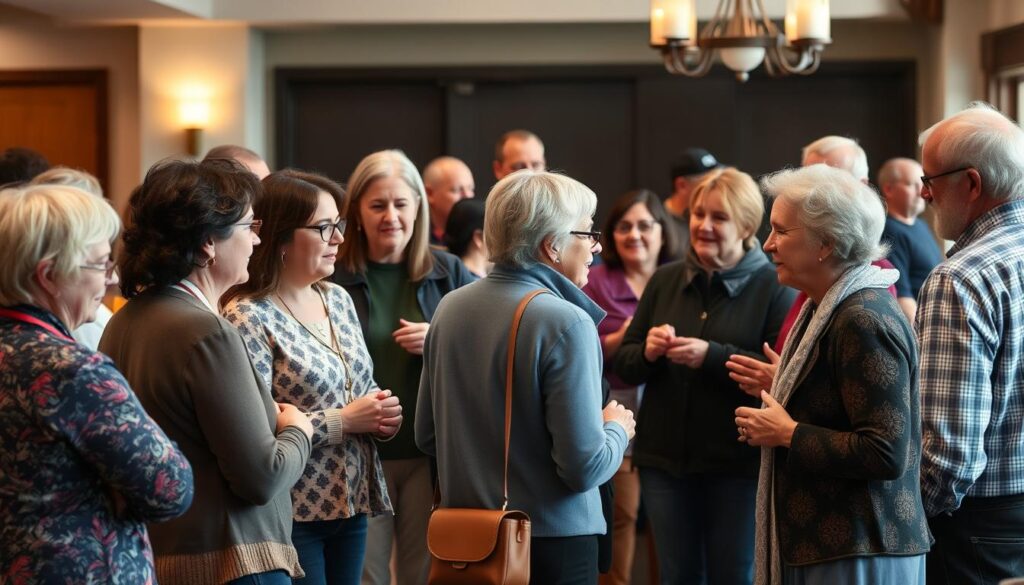
As you implement your welcoming committee, consider how to gradually expand ownership of the welcoming process. Train your committee members to model welcoming behaviors that others can emulate. Regularly share stories of positive welcoming experiences to inspire your broader community.
Remember that authentic welcome is not a program but a value that permeates every aspect of community life. The most effective welcoming committees work themselves out of a job as the entire community embraces the practice of hospitality.
The journey from visitor to engaged member is rarely linear. It requires multiple touchpoints, genuine relationships, and opportunities for meaningful involvement. Your welcoming committee initiates this journey, but your entire community determines its success.
By implementing the principles and practices outlined in this guide, you can create welcoming committees that work—not just in executing tasks but in transforming your community into a place where every person feels they truly belong.
Complete Welcoming Committee Toolkit
Transform your visitor experience with our comprehensive toolkit containing everything you need: training guides, role descriptions, evaluation forms, follow-up templates, greeting scripts, and more. This all-in-one resource is designed to streamline the process of creating and maintaining a welcoming committee that truly connects with visitors. Whether you are just starting out or looking to enhance your existing efforts, the toolkit provides practical tools and strategies to help your team succeed.
Included in the toolkit are detailed role descriptions that clarify responsibilities and help match volunteers to positions that align with their strengths and personalities. The training guides offer step-by-step instructions and exercises to build skills in empathy, cultural sensitivity, and effective communication. Evaluation forms enable your committee to gather valuable feedback from visitors and members, allowing you to measure success and identify areas for improvement.
Follow-up templates include customizable emails, phone scripts, and invitation letters that keep the connection alive beyond the initial greeting. Greeting scripts offer adaptable language options for a variety of scenarios, ensuring committee members feel confident and prepared to welcome every visitor warmly and authentically.
Additionally, the toolkit encourages ongoing reflection and adaptation by providing guidance on setting measurable goals, tracking progress, and incorporating visitor feedback into your welcoming practices. By using this toolkit, your organization can foster a culture of hospitality that extends beyond the committee, embedding authentic friendship and care into the fabric of your community.
Frequently Asked Questions About Welcoming Committees
How large should our welcoming committee be?
The ideal size depends on your organization’s attendance and the number of people attending regularly, as well as visitor flow. A general guideline is one committee member for every 50 regular attendees, with a minimum of 3-4 members to cover different roles. For larger organizations, consider creating teams that rotate responsibilities rather than expanding to an unwieldy committee size.
How do we handle visitors who prefer anonymity?
Respect their preferences while still being welcoming. Train your team to recognize verbal and non-verbal cues that someone desires space. Provide clear, self-guided options for learning about your organization without personal interaction. Make information and resources available without requiring personal information in exchange.
What’s the best way to collect visitor information without being intrusive?
Offer multiple options with clear benefits. For example, “If you’d like to receive information about upcoming events, we’d be happy to add you to our email list.” Always make information-sharing optional and explain how the information will be used. Consider digital options like QR codes that visitors can scan at their convenience.
How do we maintain enthusiasm in our welcoming committee over time?
Regular rotation of responsibilities prevents burnout and helps every member of the committee become a friend to newcomers . Schedule periodic training refreshers that inspire and equip. Share specific stories of how the committee’s work has positively impacted newcomers. Create social opportunities for committee members to build relationships with each other. Recognize and appreciate their service consistently.
How can we welcome people with disabilities more effectively?
Start by ensuring physical accessibility throughout your facility. Train committee members on respectful interaction with people who have various disabilities. Ask directly, “How can we best assist you?” rather than making assumptions. Consider creating a specialized team member role focused on accessibility needs. Provide information about accessibility features proactively.