



If you’re keen on a fun and social way to entertain, consider a progressive dinner. Some readers may not have heard of a progressive dinner party before, so let’s explain how it works. This type of dinner invites guests to enjoy each course at a different house, welcoming friends and neighbors through your door at each stop. It’s a great way to explore culinary delights while building a strong sense of togetherness among friends or neighbors, making it a perfect option for a neighborhood progressive dinner. Sharing meals from one home to the next creates unforgettable memories and helps everyone gather and connect.
Key Takeaways
- Progressive dinner events move course-by-course to different homes, enhancing social connections.
- This themed dining experience promotes a fun and interactive atmosphere.
- Hosting a progressive dinner allows participants to showcase their culinary skills.
- Such events encourage community bonding and neighborhood engagement.
- Each host gets an opportunity to prepare and present a different course of the meal.
What Is a Progressive Dinner Event?
A progressive dinner event (also known as a progressive dinner party or progressive party), or a dine around, is a social event where people eat different courses at different places. Usually, these are in various homes. It’s a fun way to try many foods and connect with friends and neighbors, much like other dinner parties.
Definition and Overview
At a progressive dinner, everyone moves from one house to another to eat different parts of the meal. The night starts with appetizers (or hors d’oeuvres) at one place, often starting with a creative appetizer to set the tone. Then, it moves to another for the main course, where the main dish serves as the centerpiece and highlight of the meal, and ends with dessert somewhere else. At each stop, guests are encouraged to sit and enjoy each course, fostering a relaxed and social atmosphere. Each spot has its own feel, host, and type of food.
History of Progressive Dinners
Progressive dinners were created in the early 1900s as a new way for communities to socialize. These events were organized to bring people together in a structured way. Over time, progressive dinners have changed but still focus on connecting people and trying new foods. Today, they can have different themes and styles, and they’re loved by many in the U.S.
Benefits of Hosting a Progressive Dinner
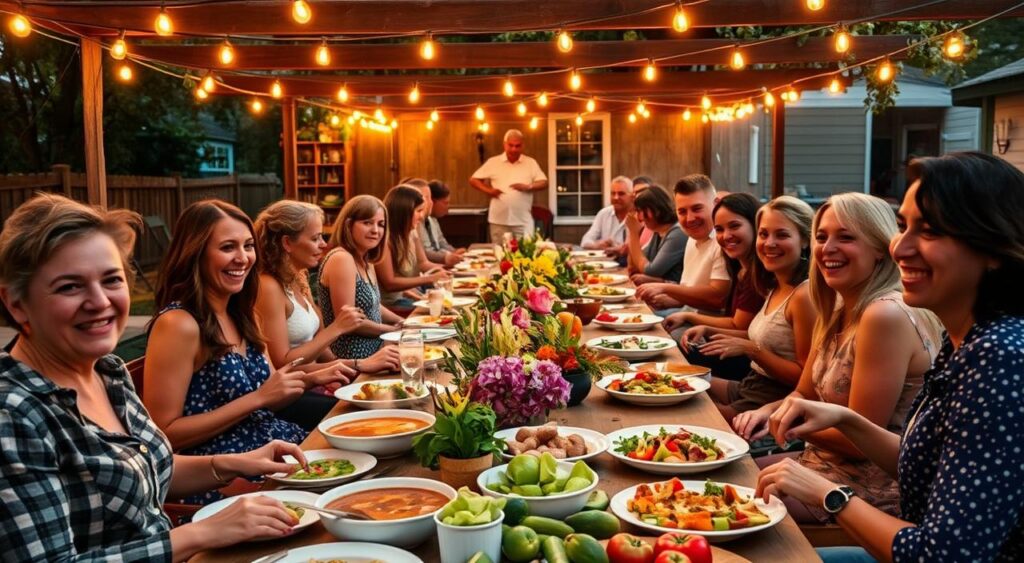
A progressive dinner is a great way to have a food adventure and enjoy eating with others. It helps people connect more with friends and family, and it’s a wonderful opportunity for families to participate together, making the event more inclusive. There are many good things about hosting one, not just the tasty dishes, with everyone participating in the experience.
Social Connections
At a progressive dinner, making new friends and friend is a big plus. Guests visit different houses, talking with various people at each one. Eating in someone’s home helps everyone, including kids, feel more open. This makes it easy to find common interests.
Culinary Variety
The main draw of these dinners is the variety of food. Hosts get to show off their cooking and share their favorite recipes, bringing different dishes and tastes to the table. Guests enjoy many types of meals in one evening, including a delightful main course . It’s a night filled with unique flavors.
Flexibility for Hosts
Hosting this type of dinner is easier for those organizing. Each home takes care of one part of the meal. This spreads out the work and cost. It makes throwing the dinner less stressful and more fun for all.
Guests and hosts share the work, which creates a team feel. Everyone helps out and is encouraged to participate , making the dinner better for all.
Planning Your Progressive Dinner
Planning your progressive dinner event can make it an unforgettable experience. It’s all about preparing carefully to make sure everything goes smoothly. Once the details are decided, planning becomes much easier. That way, everyone can enjoy their evening to the fullest.
Choosing the Right Theme
A creative approach can make your dinner stand out. Choosing a theme is vital for your dinner. It could be based on a type of food from around the world, a celebration of the seasons, or pick a different theme for each course, or a throwback to a certain time in culinary history. The theme will guide the feel of the evening and what food you serve, starting with the first stop. A great theme makes every dish feel like part of an adventure.
Setting a Date and Time
It’s important to pick a date and time that suits everyone. This ensures that all your guests can come and enjoy themselves. Plan for an early start so there’s enough time for all the courses. It allows everyone to fully enjoy each part of the meal.
Guest List Considerations
Planning your guest list carefully can make your progressive dinner much better. Each person brings their own unique energy to the event. It’s all about creating the right mix of people.
Determining the Number of Guests
Start by figuring out how many guests you can invite. This depends on how much space you have. You want enough people for lively conversations but not too many that it feels crowded. Most times, 8 to 12 guests is a good number.
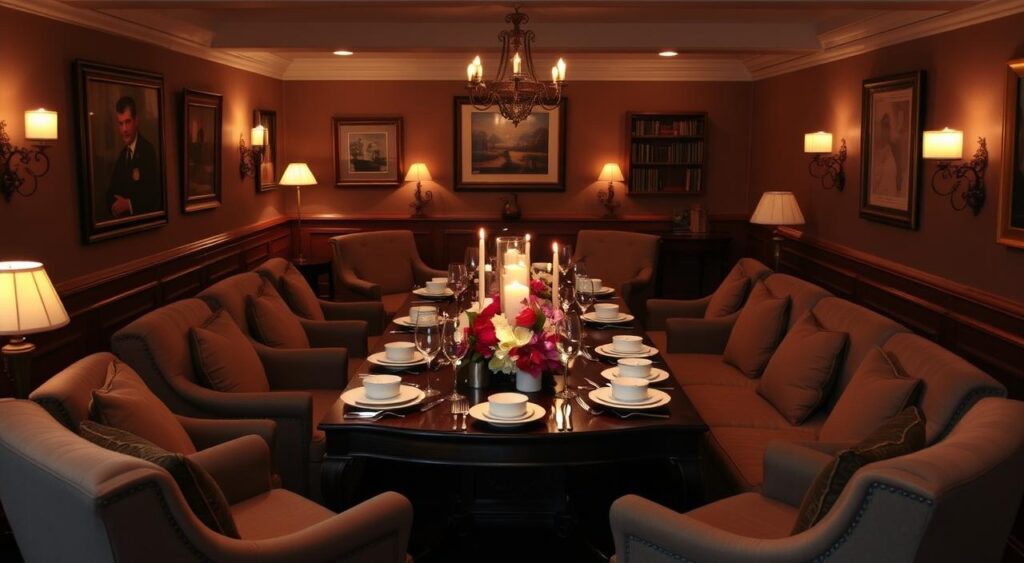
Make sure your home has enough room for everyone in each part of the dinner. It’s key to avoid a cramped space. Think about if your place is right for the guest number when moving from course to course.
Inviting Your Neighbors
Inviting neighbors to your house can make your progressive dinner special. Inviting a neighbor from your street can make the event even more special. Mixing friends with neighbors adds fun and builds community, especially when done in your own homes. It’s about making everyone feel welcome and able to get to know new people.
Start by inviting your neighbors with a warm message. Share what a progressive dinner is and its perks. Let them know they can host a course or just come to eat if they decide to throw a progressive dinner. Many will love this unique chance to connect with others close by.
Progressive dinners are a wonderful way to bring neighborhoods together.
Assigning Courses to Hosts
Hosting a progressive dinner invites guests into a wonderful culinary exploration. Each course is eaten at a different house, making the experience unique. Several hosts split the job of making a multi-course meal. This makes dining fun and engaging for everyone.
Selecting Dishes for Each Course
Choosing the right dishes is key to a great progressive dinner. Hosts should pick courses that highlight their cooking talents. For instance, one might be great at appetizers while another shines with desserts.
Communicating Responsibilities
Talking clearly is vital so everyone knows their jobs. This helps avoid task duplication and keeps the multi-course meal moving smoothly. Meetings or group chats are good for planning and role assignment.
Logistics and Scheduling
Planning a progressive dinner needs careful thought for smooth transitions between hosts, especially if the event is happening along the same street. Key to success are good scheduling and logistics. This will make your dinner move smoothly and be more enjoyable.
Creating a Timetable
Making a detailed timetable is key. Start by setting how long each course should take. Think about travel time and activity at each spot. Everyone should know the schedule to prevent hold-ups.
- Appetizers should begin around 6:00 PM.
- Each course should last about 1 to 1.5 hours.
- Add extra time for getting from one place to another.
- End the event at a reasonable hour. Make sure everyone knows where the last destination will be for a memorable conclusion.
Transportation Between Locations
Getting from place to place is important for your dinner.
Here are ways to manage it:
- Encourage carpooling to lessen parking problems and boost fun.
- If places are close, walking is a nice option.
- Think about renting a van or using rideshare services.
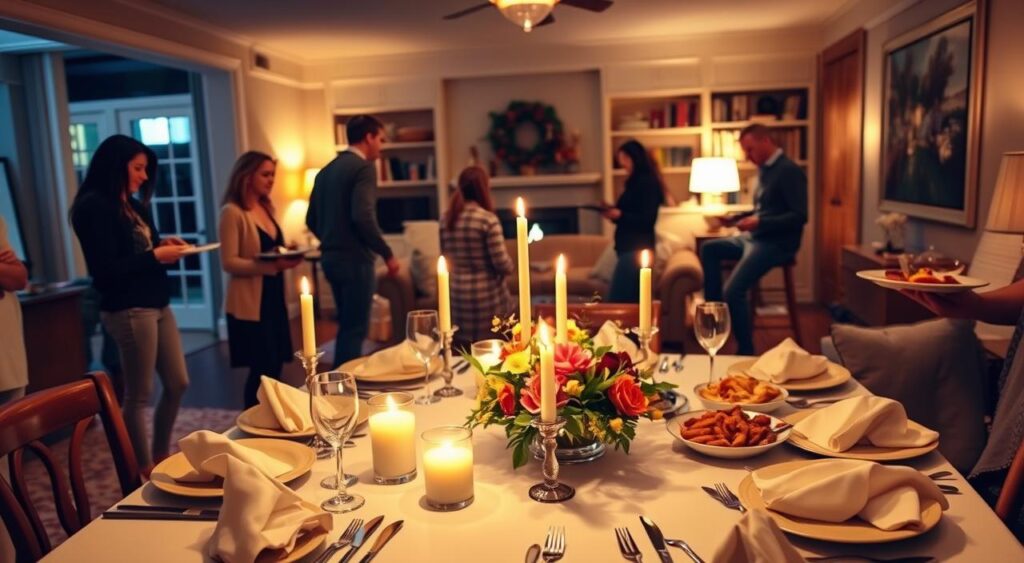
Whether driving alone or sharing rides, clear info on addresses and parking helps. This ensures everyone enjoys the evening without stress.
Decorating Your Space
Creating the right atmosphere for your progressive dinner can make it much better. A well-thought-out theme dining experience not only creates the mood but also boosts how much guests enjoy it.
Themes and Ambiance
Pick a theme that fits your dinner’s concept. Choices can range from a vintage Parisian cafe to a tropical beach vibe. Themed dining lets guests dive into the evening’s theme fully.
Use the right lighting, music, and table settings to take your guests into the world you’ve made.
Essential Decor Items
With your theme chosen, find the key decor items to make it come alive. This includes table linens, centerpieces, and dinnerware that fit your theme. For example, an Italian bistro theme might have red-checkered tablecloths, rustic candle holders, and Italian pottery.
You can also stick themed labels or name tags to items or guests’ shirts to enhance the decor.
These elements work together for a themed dining experience that touches all the senses.
Suggested Menu Ideas
Planning a progressive dinner should be fun, offering a variety of dishes from appetizers to desserts. Whether you’re planning a casual gathering or a formal dinner party, variety is key. Each course is a chance to try something new. Here are some carefully picked menu ideas to make your night special.
During the Christmas season, consider festive recipes that highlight traditional holiday flavors.
Seasonal Dishes
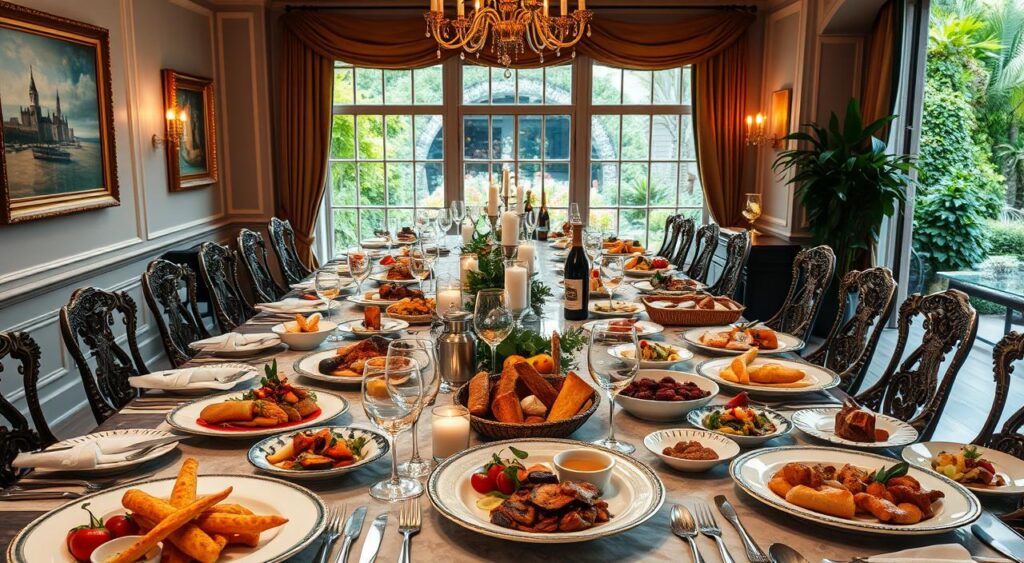
Choosing seasonal ingredients means your food is fresher and you support local farmers. For spring, a light asparagus soup is perfect. Summer’s ideal dish could be grilled peaches with burrata. In fall, try a rich pumpkin risotto, while winter is great for hearty beef bourguignon, and consider adding a fresh salad for spring .
These choices bring out the best in each season. They make your dinner vibrant and timely.
Pairing Drinks with Each Course
Drinks are key for a full culinary journey. Start with a crisp Sauvignon Blanc wine for appetizers. Choose red wines like Merlot or Cabernet Sauvignon for the main dishes. A light Pinot Grigio goes well with seafood.
For dessert, a sparkling Prosecco or a rich Port wine is ideal. Add craft beers and non-alcoholic drinks like flavored sodas or herbal teas for variety.
Activities Between Courses
Adding engaging activities between courses turns a simple meal into an unforgettable food adventure. Fun games and icebreakers create lively interactions among guests, especially when paired with delicious finger foods. If there are children attending, consider organizing special activities or holiday games with a babysitter to keep them entertained. Conversation starters keep the chat interesting and flowing, making it a great social event with everyone participating in the fun.
Fun Games and Icebreakers
Choose games that match the evening’s mood and theme for a playful touch. Trivia games about food are great for friendly competition. This makes the meal progress fun for everyone.
- Food Trivia: Quiz participants on world cuisines, famous chefs, or historical food facts.
- Recipe Share: Guests share a recipe that matches the evening’s theme.
Engaging Conversation Starters
Use conversation prompts to start deep talks and keep the conversation going. A timely question can make the dinner feel more connected and enjoyable.
- Personal Culinary Journey: Guests share stories about unforgettable meals or cooking moments.
- Foodie Adventure Goals: Guests talk about their dining plans, like new restaurants or cuisines they want to try.
With a mix of fun games and interesting topics, your progressive dinner will be a hit. It will be both a culinary journey and a great social event.
Safety Considerations
When you plan a progressive dinner, keeping everyone safe is key. This means making sure food is handled right and alcohol is enjoyed responsibly. Follow these important tips for a fun and safe night, which can also help you save money .
Food Safety Tips
Exploring different foods is fun but remember food safety is important. This helps avoid any issues.
- Proper Storage: Keep foods that can spoil in the fridge until it’s time to cook or eat them. This stops bacteria from growing.
- Cleanliness: Always wash your hands, cooking tools, and areas well when making and serving food.
- Temperature Control: Make sure meals are cooked hot enough. Use a food thermometer to check that meats are done.
- Cross-Contamination: Keep raw meats away from other foods to prevent cross-contamination.
Navigating Alcohol Consumption
Alcohol can add to the fun, but it must be managed wisely. This keeps everyone safe.
- Limit Intake: Help guests drink slowly by offering drinks without alcohol through the night.
- Designated Drivers: Make plans for sober drivers or other ways to get people home safely if they drink.
- Monitor Consumption: Watch how much alcohol is served and drunk. Step in if needed to stop someone from drinking too much.
By using these tips on food safety and alcohol, you’re all set for a safe, enjoyable progressive dinner. It will surely be an event to remember for everyone in the neighborhood .
Popular Themes for Progressive Dinners
Picking a theme for your progressive dinner makes the night special and fun. Themes bring excitement and tie everything together. Here are some great themes to make your dinner unforgettable:
Cultural Cuisine Nights
Exploring global cuisines is a hit for progressive dinners. Each stop can feature food from different countries. Start with Mexican snacks, then Italian pasta, and end with French sweets. It’s a delicious way to travel the world in one night.
Holiday-Themed Events
Holiday themes are perfect for adding extra cheer to your evening. From a spooky Halloween bash to a cozy Christmas dinner or a love-filled Valentine’s celebration. Match your decorations, clothes, and food to the holiday. It turns your dinner into a festive party with various dishes.
Tips for a Smooth Event
A little planning and good communication are key for a smooth progressive dinner. Focus on these areas to give your guests a great evening of food exploration at progressive dinner parties sharing courses from house to house . It will be a memorable food adventure for everyone.
Communication is Key
It’s important to communicate clearly and on time with co-hosts and guests. Make sure everyone knows what to do and when.
Send invites early and confirm who’s coming as the date nears. Give everyone clear directions and a schedule for smooth house transitions.
Preparing in Advance
Being prepared is crucial for your event’s success. Encourage hosts to cook their dishes before to cut down stress.
Arrange your table, decor, and activities early. This makes each part of the evening smooth. It lets you enjoy the event with your guests too.
Conclusion: Creating Lasting Memories
Starting your journey with progressive dinner events is exciting. It’s not just about great food. It’s also about making special memories with those you care about. Picking a theme and planning the details make your dining event smooth and fun.
Recap of the Experience
Looking back, we see that connecting with others, offering a variety of dishes, and smooth planning really matter. Your guests will recall the extra care, the diverse foods, and the joy of moving from one house to another. Each course, at a different place, makes the experience unique. Progressive dinners turn meals into stories.
Encouraging Future Gatherings
After you’ve had a successful progressive dinner, inspire your guests to host one too. This keeps the tradition alive, bringing in new tastes, talks, and treasured moments, and can help you win over your gues . Be it a night filled with holiday spirit or exploring world cuisines, the chances to foster friendship and creativity never end.
FAQ
What are the benefits of hosting a progressive dinner?
Hosting this dinner brings everyone closer, offers a mix of foods, and is flexible for hosts. It’s a lively party where people connect through different meals.
How do I choose the right theme for my progressive dinner?
Picking a theme sets your dinner’s mood. Think about doing a festive night based on cultural dishes, holiday themes, or seasonal foods to make it stand out.
How do I set a date and time for the progressive dinner?
Work with your guests to find a good date and time. Weekends or holidays are best. Make sure there’s enough time for all courses and fun.
How many guests should I invite?
The number depends on your space and preference. Generally, 8-12 guests work well, ensuring that everyone can comfortably move to the next house . This keeps the event friendly and easy to manage.
How do I invite my neighbors to a progressive dinner?
Use email or cards to invite them. Share the theme, date, time, and what they should expect. Highlight the dinner’s community vibe to encourage them.
How do I assign courses to different hosts?
Give each host a part of the meal, like appetizers or dessert. Make sure there’s variety and clear communication about each person’s role.
How do I create a timetable for the event?
Make a detailed plan with enough time for eating, traveling, and socializing. This keeps the dinner enjoyable and stress-free.
How do we handle transportation between locations?
Organize carpooling, hire a ride, or walk if possible. Make sure everyone in the group knows how to get to each place.
How should I decorate my space for a progressive dinner?
Decorate based on your theme for a unified look. Use items like lights and tableware to enhance the atmosphere.
What are some suggested menu ideas for a progressive dinner?
Choose dishes that match the season and theme. Offer a mix of appetizers, main courses, and desserts with drinks to delight your guests.