


The Mediterranean diet is famous for being good for your heart, especially for older folks, and is often regarded as one of the best healthy eating plans . It loves lots of fruits and vegetables, olive oil, and whole grains, which are great for your heart. Olive oil and nuts bring unsaturated fats into your diet, lowering bad cholesterol and keeping blood vessels healthy.
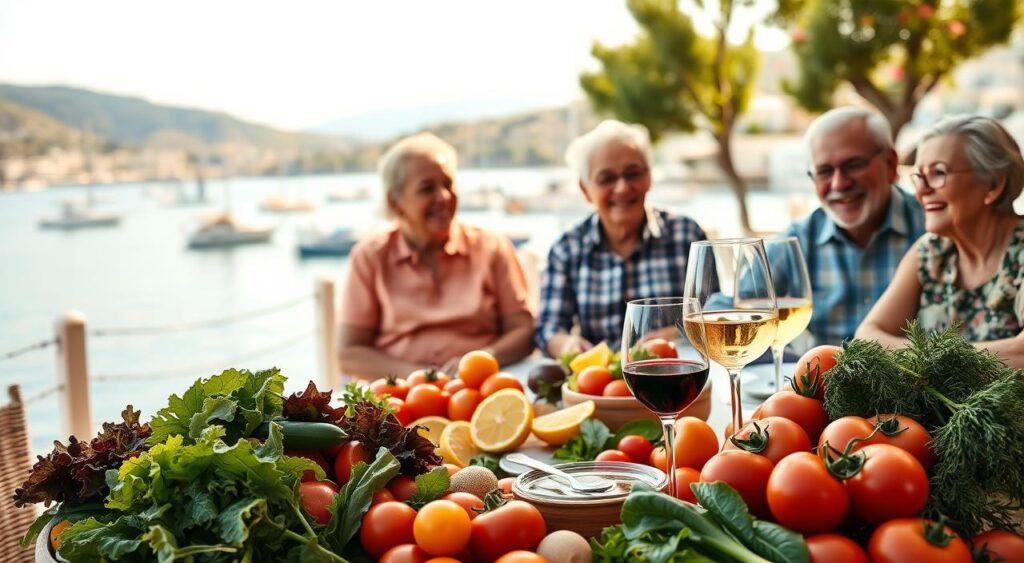
In countries by the Mediterranean Sea, fewer people have heart diseases compared to the U.S. and Northern Europe. The way of life there, which involves eating together and staying active, boosts the benefits of their diet for the heart by reducing risk factors .
Key Takeaways
- The Mediterranean diet highlights healthy eating for older adults by focusing on plant-based foods.
- Incorporating olive oil and nuts into your diet can help reduce LDL cholesterol levels.
- This diet is associated with lower cardiovascular disease rates in Mediterranean countries.
- Sharing meals and engaging in regular physical activity are part of the Mediterranean lifestyle.
- The Mediterranean diet supports overall heart health, making it a smart choice for seniors.
What is the Mediterranean Diet?
The Mediterranean diet is based on the eating habits of countries near the Mediterranean Sea. It’s famous for its health benefits, especially for heart disease in the elderly. This diet includes lots of whole foods that are great for senior health.
Key Components of the Diet
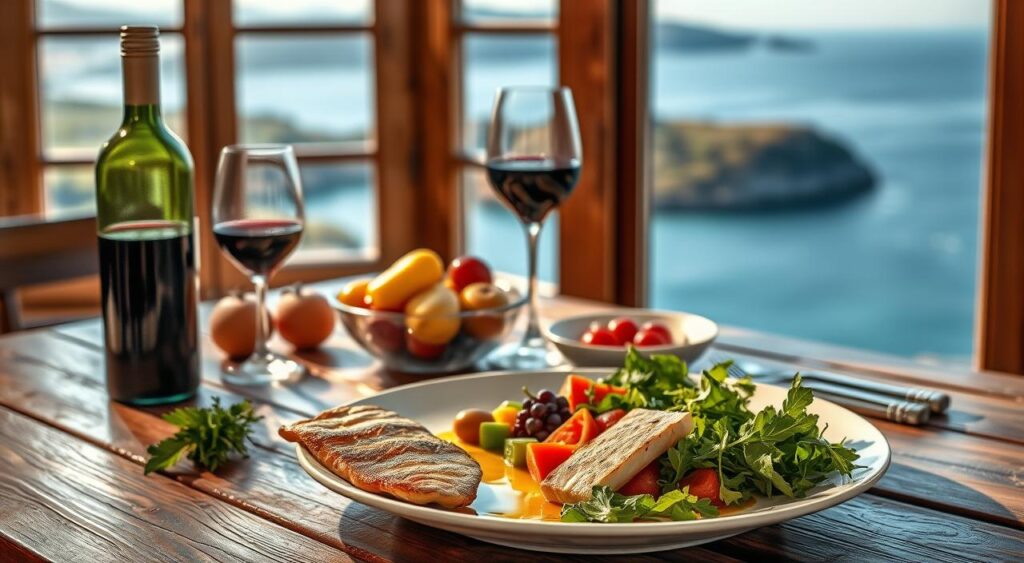
This diet has several key parts that boost health. They are:
- Fruits and Vegetables: A wide variety of colorful produce.
- Whole Grains: Including quinoa, farro, and whole wheat pasta.
- Healthy Fats: Mainly from olive oil and nuts.
- Lean Proteins: Preferring fish, seafood, and poultry for protein.
- Moderate Wine Consumption: Usually with meals.
Foods to Embrace
To get the full benefits of the Mediterranean diet for the elderly, include these foods in daily meals as part of a heart healthy eating plan :
- Leafy greens and various vegetables
- Whole grains like quinoa and farro
- Healthy fats from olive oil, nuts, and seeds
- Seafood, important in Mediterranean diet recipes for seniors
Foods to Avoid
To stay healthy, it’s best to avoid certain foods. Try to stay away from:
- Red meat and processed meats
- Saturated fats in butter and full-fat dairy
- Sweets and processed snacks
Following these nutrition tips for seniors can lead to better health and improve their overall eating pattern . Also, trying Mediterranean diet recipes can make this diet fun and easy to stick with.
Heart Health Benefits for Seniors
The Mediterranean diet is great for seniors’ heart health. It’s known for its ability to boost heart well-being. The diet focuses on eating healthy fats, including extra virgin olive oil fiber, and antioxidants. This helps keep the heart strong and healthy.
Alongside healthy fats, the Mediterranean diet places a strong emphasis on consuming abundant plant-based foods such as fresh fruits, vegetables, legumes, nuts, and whole grains. These foods provide essential nutrients, fiber, and antioxidants that work together to reduce inflammation and oxidative stress, which are key contributors to cardiovascular disease.
The diet also encourages moderate consumption of fish and seafood, which are rich in omega-3 fatty acids known to support cardiovascular health by lowering triglycerides, reducing blood clotting, and improving blood vessel function. Replacing red and processed meats with fish and plant proteins helps reduce the intake of saturated fats, which can negatively impact heart health.
Moreover, the Mediterranean diet incorporates extra virgin olive oil, traditional flavors and spices that boost flavor without relying on excess salt, helping to manage blood pressure. Moderate wine consumption, particularly red wine, is sometimes included, providing additional antioxidants like resveratrol, which may have heart-protective effects when consumed responsibly.
Overall, the Mediterranean diet represents a healthy eating pattern that combines nutrient-rich foods, heart-healthy fats, and lifestyle habits such as sharing meals and staying physically active, all of which contribute to improved cardiovascular health and longevity for seniors.
Reducing Cholesterol Levels
This diet is great for lowering bad cholesterol, known as LDL. Eating things like olive oil and nuts, which have both polyunsaturated fat and unsaturated fats, helps lower heart disease risks. These healthy fats work by reducing the levels of LDL cholesterol in the blood, which is a major contributor to plaque buildup in arteries. By replacing saturated fats and trans fats with these unsaturated fats, the Mediterranean diet helps improve the overall cholesterol profile, increasing the levels of good HDL cholesterol as well.
Additionally, nuts such as almonds, walnuts, and pistachios are rich in fiber, plant sterols, and antioxidants, all of which contribute to heart health. Olive oil, especially extra virgin olive oil, contains monounsaturated fats and powerful antioxidants that protect the heart by reducing inflammation and oxidative stress, which is crucial for those with high cholesterol .
The combined effect of these foods helps to maintain the elasticity of blood vessels and prevent the narrowing of arteries, which is crucial in reducing the risk of cardiovascular disease events such as heart attacks and strokes. Numerous randomized controlled trials have supported the role of the Mediterranean style diet in primary and secondary prevention of cardiovascular disease, highlighting its effectiveness in improving lipid profiles and reducing cardiovascular events.
Managing Blood Pressure
The diet also helps in controlling blood pressure. Eating foods full of fiber like whole grains, beans, and veggies is key. Studies show that these foods are really good for lowering high blood pressure in seniors. Following this diet can greatly reduce the chances of heart attacks and strokes.
In addition to fiber-rich foods, the Mediterranean diet emphasizes the importance of limiting sodium intake by avoiding highly processed foods and using herbs and spices to boost flavor instead of salt. This approach helps in managing blood pressure effectively without compromising taste.
Moreover, the diet encourages the consumption of low-fat dairy products, such as plain yogurt and low-fat cheese, which provide essential calcium and potassium—minerals known to support healthy blood pressure levels. Incorporating these dairy options in moderation contributes to the overall heart healthy eating plan.
Regular consumption of fresh fruits, especially fresh berries, also plays a role in blood pressure management due to their high antioxidant content and beneficial effects on vascular function. Combined with physical activity, these dietary habits create a comprehensive strategy for controlling hypertension and reducing the risk of stroke and heart failure among seniors.
Nutritional Value of the Mediterranean Diet
The Mediterranean diet is celebrated for its healthy fats and fiber content. It is well-known for enhancing heart health, cognitive function, and digestive wellness—benefits that are especially important for older adults. Understanding this diet and other dietary approaches highlights the importance of maintaining good nutrition as we age.
High in Healthy Fats
The diet focuses on unsaturated fats from olive oil, nuts, and fish. These fats lower inflammation and help the heart and cholesterol. Avocados and seeds also add to these benefits, fighting chronic diseases. For older adults, these fats are good for brain health.

Fiber-Rich Foods
This diet also has a lot of fiber from fruits, veggies, beans, and grains. Fiber keeps the digestive system working well. It helps avoid constipation. Plus, it keeps blood sugar steady, which is vital for seniors with diabetes. A balanced diet is key for the elderly.
| Component | Source | Benefits |
| Unsaturated Fats | Olive oil, nuts, fatty fish | Cardiovascular health, reduces inflammation |
| High-Fiber Foods | Fruits, vegetables, whole grains | Digestive health, blood sugar control |
How the Mediterranean Diet Supports Longevity
The Mediterranean diet is known for boosting longevity and wellness. It includes healthy fats, traditional cuisine antioxidants, and foods that fight inflammation, offering many health perks.
Anti-Inflammatory Properties
This diet’s key to longevity is its strong anti-inflammatory effects. Omega-3 fatty acids, from fish and olive oil, reduce body inflammation. Such inflammation fighting is crucial against chronic diseases like arthritis and heart disease.
By lowering inflammation, it helps prevent many long-term health issues, promoting a longer, healthier life.
Disease Prevention
The Mediterranean diet is great for stopping chronic diseases. It’s packed with various food groups such as fruits, veggies, nuts, and grains that are full of antioxidants. These antioxidants fight off damaging free radicals.
This reduces risks of diabetes, obesity, and some cancers. Following this diet can raise your life span and better your life quality over time. It shows the diet’s broad approach to keeping you healthier, for longer.
Practical Tips for Getting Started
Starting the Mediterranean diet can really boost your health, especially if you’re a senior. To ease into it, pick senior-friendly Mediterranean diet options like water packed tuna that are simple to make and good for you. With smart meal planning for seniors and easy Mediterranean recipes, you’re on your way to lasting health benefits.
Meal Planning Ideas
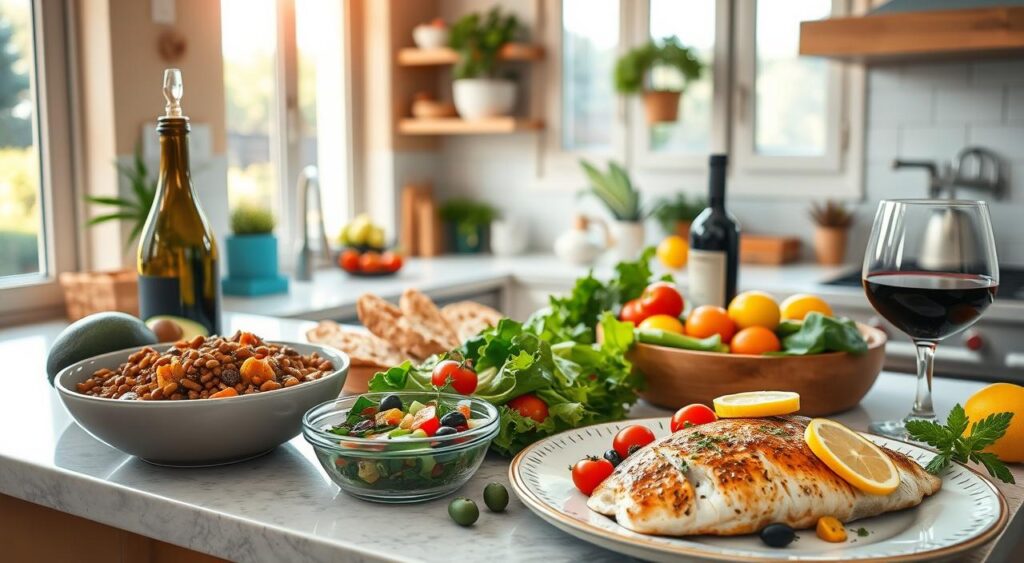
It’s important to have a meal plan to keep up a healthy diet. Try adding lots of veggies, grains, and seafood into your meals each week. Prepping food ahead of time saves effort and helps you stick with it.
Here’s what you can do:
- Draft a weekly menu featuring senior-friendly Mediterranean diet options.
- Include lean proteins, like grilled chicken or fish, and plant-based proteins like lentils and chickpeas.
- Choose seasonal veggies and fruits for the best taste and nutrition.
- Add whole grains such as quinoa, bulgur, and barley to your dishes.
Easy Recipes to Try
Starting with the Mediterranean diet gets easier with easy Mediterranean recipes.
Here are some ideas to begin with:
- Grilled Salmon with Olive Oil and Herbs: Season salmon with olive oil, lemon, garlic, and herbs. Grill it and serve with veggies.
- Vegetable and Chickpea Stew: Cook onions, garlic, and veggies in olive oil. Add chickpeas, tomatoes, and spices like cumin. Simmer it all together.
- Greek Salad: Mix tomatoes, cucumbers, onions, olives, and feta. Top with olive oil and red wine vinegar.
Use tasty spice mixes instead of salt to make the diet both fun and lasting. These tips will make adding Mediterranean meals to your day easy, leading to a healthier you.
How to Incorporate More Fish and Seafood
Eating more fish and seafood is an essential part of the Mediterranean diet. For older adults, selecting heart-healthy seafood options and low fat greek yogurt can significantly enhance cardiovascular well-being. Incorporating a variety of fish, such as albacore tuna and fatty fish like salmon and mackerel, ensures an intake of beneficial omega-3 fatty acids, which support heart health by reducing inflammation and improving blood vessel function.
It is important to avoid deep fried fish and instead focus on healthier cooking methods like grilling, baking, or broiling to preserve the nutritional benefits while minimizing unhealthy fats. Adding spices to boost flavor can make seafood dishes more enjoyable without relying on excessive salt or unhealthy salad dressings.
Additionally, pairing fish and seafood with raw veggies and whole grains creates a balanced meal that aligns with the Mediterranean style diet principles. This combination provides essential nutrients and fiber, supporting overall cardiovascular health and metabolic function.
Low fat Greek yogurt, often consumed alongside fish or as part of meals, contributes protein and probiotics, promoting digestive health and complementing the heart healthy eating plan. Seniors can benefit from including these foods regularly while limiting intake of refined carbohydrates and putting butter or other saturated fats on their meals, which can detract from the diet’s positive effects.
By thoughtfully incorporating fish, seafood, and low fat dairy into daily meals, older adults can maximize the heart health benefits of the Mediterranean diet and enjoy flavorful, satisfying dishes that support longevity and well-being.
Choosing the Right Options
When preparing fish as part of the Mediterranean diet, selecting the right seafood is essential. Opt for fish such as salmon, mackerel, and anchovies, which are rich in heart- and brain-supporting omega-3 fatty acids. Choosing these over fatty or processed meats can help seniors improve their overall health.
These fish varieties are not only beneficial for cardiovascular health but also provide essential nutrients like vitamin D and high-quality protein, which are crucial for maintaining muscle mass and bone health in older adults. Incorporating a variety of seafood ensures a broad spectrum of nutrients and helps prevent dietary monotony.
It’s important to be mindful of mercury levels in certain fish; therefore, selecting low-mercury options and consuming fish in moderation aligns well with Mediterranean diet principles. Additionally, including shellfish and other seafood like shrimp, mussels, and octopus can diversify the diet and add unique flavors and textures.
Regularly eating these fish supports brain health, potentially reducing the risk of cognitive decline and enhancing memory and mood. This makes seafood a vital component not only for heart health but also for overall well-being in seniors.
Cooking Methods for Flavor
Seafood doesn’t have to taste boring to be healthy. Cooking it with herbs, spices, and olive oil can make it both nutritious and tasty. Grilling, broiling, or baking keeps meals heart-healthy. These methods keep the fish flavorful without unhealthy fats.
Using spices to boost flavor is a great way to enhance seafood dishes while maintaining the health benefits of the Mediterranean diet. Ingredients like garlic, oregano, basil, rosemary, and thyme add traditional flavors without the need for excessive salt or heavy sauces. This not only preserves the natural taste of the fish but also contributes antioxidants and anti-inflammatory properties beneficial for heart health.
Additionally, incorporating a variety of seafood types, such as fatty fish rich in omega-3 fatty acids, supports cardiovascular health by reducing inflammation and improving cholesterol levels. Pairing seafood with fresh, raw veggies and whole grains creates balanced meals that align perfectly with the Mediterranean style diet principles.
By embracing these cooking methods and flavor-enhancing techniques, seniors can enjoy delicious, heart-healthy seafood meals that are both satisfying and supportive of their overall well-being.
The Role of Physical Activity
Mixing physical activities with your daily routine boosts the benefits of a Mediterranean diet for older adults. It’s best when diet pairs with exercise, fostering a well-rounded health and long life. Let’s dive into how older adults can add physical activities into their lives, considering their abilities.
Physical activity complements the Mediterranean diet by enhancing cardiovascular health, improving muscle strength, and supporting weight management. For seniors, regular movement helps maintain mobility and balance, reducing the risk of falls and injuries. Incorporating exercises that suit individual fitness levels ensures safety and maximizes benefits.
Beyond structured workouts, everyday activities such as gardening, light housework, or walking the dog also contribute to an active lifestyle. These simple actions increase daily calorie expenditure and promote overall well-being. Additionally, social activities like group exercise classes or walking clubs can provide motivation and foster community connections, which are important for mental health.
Combining physical activity with the Mediterranean diet creates a holistic approach to health, addressing both nutrition and movement. This synergy helps manage chronic conditions such as high blood pressure, type 2 diabetes, and metabolic syndrome, which are common concerns among older adults. By embracing both diet and exercise, seniors can enjoy improved energy levels, better mood, and enhanced quality of life.
Recommended Exercises for Seniors
It’s key to pick exercises for seniors that are doable and bring results. Great options include walking, swimming, and yoga. These not only help with heart health and mobility but also assist in weight management. Walking is easy and can be done anywhere, swimming is gentle on the body, and yoga boosts flexibility and balance.
In addition to these activities, seniors might consider incorporating strength training exercises using light weights or resistance bands to maintain muscle mass and bone density, which are important for overall health and injury prevention. Balance exercises, such as tai chi, can further reduce the risk of falls by improving coordination and stability.
It’s also beneficial for seniors to engage in regular stretching routines to enhance joint mobility and reduce stiffness, which can improve comfort and ease of movement during daily activities. Combining these forms of exercise with the Mediterranean diet creates a comprehensive approach to maintaining cardiovascular health, physical function, and quality of life as we age.
Encouraging seniors to find enjoyable activities and to stay consistent can make a significant difference. Group classes or walking clubs provide social interaction and motivation, making exercise a fun and sustainable part of their lifestyle.
Combining Diet with Lifestyle Changes
Paring the Mediterranean diet with active living is a win for older people. This duo doesn’t just boost heart health; it also promotes mental wellness and vitality. Engaging in physical activities increases stamina, mobility, and enriches life. Seniors can live better and stay active by embracing both diet and exercise changes.
Regular physical activity complements the nutrient-rich Mediterranean diet by enhancing cardiovascular function and improving overall metabolic health. Activities such as walking, swimming, and light strength training help maintain muscle mass, support joint health, and improve balance, which are crucial for preventing falls in older adults. Furthermore, exercise stimulates the release of endorphins, which can elevate mood and reduce symptoms of depression and anxiety, contributing to better mental health.
Incorporating social aspects into physical activities, like group walks or exercise classes, can further enhance the benefits by providing seniors with a sense of community and motivation. This holistic approach, combining a heart-healthy diet with consistent physical activity, supports not only longevity but also a higher quality of life, allowing seniors to remain independent and engaged in their daily activities.
By making small, manageable changes to both diet and lifestyle, older adults can experience significant improvements in energy levels, cognitive function, and overall well-being. This synergy between the Mediterranean diet and active living is a powerful strategy for maintaining health and vitality well into the later years.
Success Stories: Seniors Who Thrive on This Diet
The Mediterranean diet helps many seniors greatly improve their health. It brings benefits like better heart health, weight control, and more energy. These real-life transformations show how good this diet is for older adults.
Real-Life Transformations
Adopting the Mediterranean diet has led to amazing health benefits for seniors. They enjoy more energy, clearer thinking, and stronger immune systems. Some have even lowered their cholesterol and blood pressure without lots of medication. These stories prove the diet really works.
Community Support Groups
Community support is key to these success stories. Support groups let people share tips, recipes, and encouragement. They help everyone feel like they belong and keep them motivated. Being part of these groups makes sticking to the diet easier and more fun.
| Transformation Aspect | Individual Benefits | Community Support Benefits |
| Cardiovascular Health | Reduced cholesterol, managed blood pressure | Shared strategies, collective encouragement |
| Weight Management | Steady weight loss, increased vitality | Healthy recipe exchanges, group workouts |
| Mental Clarity | Improved cognitive function | Tips for mental exercises, mindful eating discussions |
Joining support groups not only helps seniors follow the diet. It also creates a strong community feeling. This community support makes reaching health goals easier and more enjoyable.
Conclusion: Making the Mediterranean Diet Work for You
Starting the Mediterranean diet means choosing a healthier way of life, especially for seniors. It’s about staying driven and creating lasting habits for eating well. You can stay excited by setting achievable goals, celebrating little wins, and learning about the benefits for your health.
It also helps to love what you eat. This makes switching to this diet easier and fun.
Staying Motivated
It’s normal for seniors to find their diet motivation going up and down. Staying steady and focused is key. Aim for small, realistic goals and take time to enjoy your achievements. This might be adding a new veggie each week or trying a Mediterranean dish once a month.
Learning more about foods that are good for your heart keeps you on track. Joining online groups or local clubs gives you support and fresh ideas.
Building a Sustainable Eating Habit
Creating lasting healthy eating habits starts with small steps. Add more fruits, veggies, grains, and lean meats to what you eat. Getting support from friends or family interested in a healthy lifestyle can help.
Trying out new recipes keeps your meals interesting. Enjoying the process of finding tasty dishes is important. With time and effort, the Mediterranean diet can be a rewarding, lifelong choice. It helps prevent diseases and supports overall health.
FAQ
What are the key components of the Mediterranean diet?
The Mediterranean diet focuses on eating lots of vegetables, fruits, and whole grains. It includes olive oil, nuts, and seafood, with few red meats and sugary foods.
What foods should seniors embrace on the Mediterranean diet?
Seniors should eat leafy greens, whole grains like quinoa, and get healthy fats from olive oil and nuts. They should also enjoy seafood and consider when to drink alcohol, limiting it to moderate amounts.
What foods should seniors avoid on the Mediterranean diet?
Seniors should eat less red meat, saturated fats, and sugary processed foods. This helps keep the heart healthy and prevents chronic diseases.
How does the Mediterranean diet help reduce cholesterol levels for seniors?
The diet lowers bad cholesterol by using unsaturated fats found in olive oil and nuts while avoiding saturated and trans fats . This promotes a healthy heart.
How does the Mediterranean diet manage blood pressure for seniors?
Its high fiber from grains and veggies helps control blood pressure. This reduces hypertension risk and supports heart health for seniors.
What nutritional benefits does the Mediterranean diet offer seniors?
This diet provides healthy fats from olive oil, nuts, and fatty fish. It’s also rich in fiber from fruits, veggies, and grains, aiding heart and digestive health.
What are the anti-inflammatory properties of the Mediterranean diet?
Omega-3 fats from fish and olive oil in the diet reduce inflammation. This helps prevent diseases like arthritis and heart issues.
How does the Mediterranean diet aid in disease prevention for seniors?
Its antioxidants from fruits and veggies help guard against diabetes, obesity, and some cancers. It’s key for a long, quality life.
What are some practical tips for seniors to start the Mediterranean diet?
Seniors can start with a variety of vegetable dishes, whole grains, such as whole grain bread and seafood. Try grilled salmon or a veggie chickpea stew.
What are suitable fish and seafood options for seniors on the Mediterranean diet?
Choose low-mercury fish like salmon, mackerel, and anchovies. They’re rich in omega-3s for heart and brain health.
What are recommended cooking methods for fish on the Mediterranean diet?
Grill, broil, or bake fish with herbs and olive oil. This keeps it tasty and healthy, a diet must.
What exercises are recommended for seniors on the Mediterranean diet?
Walking, swimming, and yoga boost the diet’s health effects. They improve mobility and heart health.
How can combining diet and lifestyle changes benefit seniors?
Mixing the diet with exercise boosts mental, endurance, and mobility. It leads to a longer, vibrant life.
Are there any success stories of seniors who have thrived on the Mediterranean diet?
Many seniors report better heart health and weight control with this diet. Support groups also help keep these healthy habits.
How can seniors stay motivated on the Mediterranean diet?
Seniors stay on track by setting clear goals and celebrating progress. Learning about the diet and building habits with friends around a structured eating plan makes it enjoyable.