



Mastering soft shots by the kitchen line is key in pickleball. Soft shots are often used to counter aggressive shots at the kitchen line, allowing you to neutralize your opponent’s offense. These include dinks, drop shots, and lobs. They are effective for forcing opponents into difficult positions, making them move forward and reducing their attacking options. By using these shots well, including the third shot drop, you can control the game and set up more powerful plays.
Practicing these techniques and understanding their strategy is important. Strategic positioning at the kitchen line is essential for executing soft shots and maintaining control during fast-paced exchanges. It improves your game and helps you score more points. This way, you become better at directing the gameplay, requiring quick reflexes.
Key Takeaways
- Soft shots like dinks, drop shots, and lobs are crucial for controlling the pace of the game.
- Mastering these shots puts your opponent in disadvantageous positions.
- Effective use of soft shots enhances overall gameplay efficiency.
- Training and drills are essential for refining your soft shot techniques.
- Integration of soft shots in your game strategy boosts your ability to win points.
Understanding the Importance of Soft Shots in Pickleball
For those looking to up their pickleball game, mastering soft shots is key. These shots combine skill, finesse, and timing, and are especially useful for countering opponents who like to ball hard or use fast shots. They are vital near the kitchen because they counteract powerful hits and frustrate rivals. Using proper technique is essential for executing soft shots effectively and maintaining control against aggressive play. With dinks, drop shots, and the cross court dink, players can steer the game’s tempo.
What are Soft Shots?
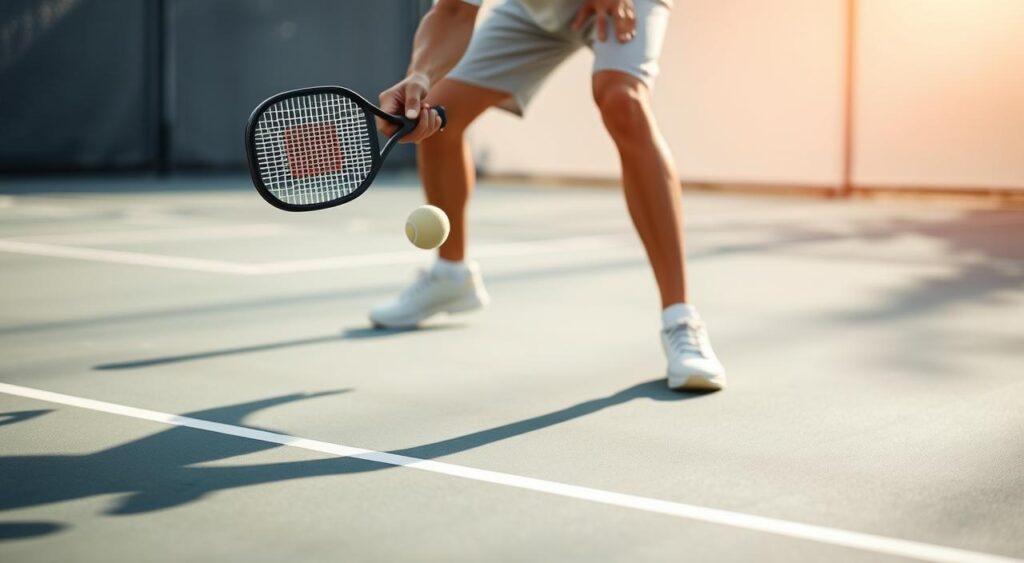
Soft shots include dinks, drop shots, and soft volleys, which are typically played close to the net for maximum control and effectiveness. They’re all about gentle touch and minimal power, meant to barely clear the net. Mastering these can keep the ball low, making it tough for opponents to attack. This way, you can tone down their aggression by hitting the ball softly .
Benefits of Using Soft Shots
Soft shots offer strategic advantages, especially when placed into the opponent’s kitchen to neutralize their attacks. They can put opponents in tricky spots by targeting the opponent’s feet with soft shots, making returns more difficult, especially from the opponent’s kitchen line.
They disrupt the flow of the game, preventing powerful comebacks. By getting good at the soft game, you can move your opponent around and create openings for stronger shots.
When to Use Soft Shots
It’s important to know the best times for soft shots. They work well when your opponent is near the baseline, putting distance between them and the net. Choose your moments based on where they stand, their weak points, and the game’s status, aiming to score. Using soft shots can also help set up your next shot, allowing you to transition smoothly and improve your overall strategy.
Types of Soft Shots in Pickleball
Soft shots are key in pickleball, especially finesse shots like shot drops, which are soft, strategic shots that land in the kitchen. They change depending on where you are and what’s happening in the game. Knowing how to use dinks, drop shots, the third shot drive and lobs can really improve how you play.
Dinks
Dinks are great for when you’re near the net. They let you send the ball just over it into the other player’s non-volley zone. Using acting skills to disguise your intentions can make your dinks more deceptive, as convincing body language and paddle movements help fool your opponent about your next move. This makes your opponent reach forward, especially if targeting their opponent’s backhand often making their return less accurate. Mastering dinks means you have great control and can make precise shots.
Drop Shots
Drop shots need a soft touch to land them softly in the non-volley zone from far back. They’re a smart move to go from playing at the back to getting up close. This can surprise your opponent and give you an edge. Drop shots are all about timing and finesse and are a crucial aspect of the third shot , vital for good pickleball shots.
Lobs
Lobs are great for changing the game or making your opponent move back by sending the ball high towards the back of their side. Using a deep return can also push your opponent back, setting up an opportunity for a lob when they are out of position. They force the other player to the baseline, letting you move up. Lobs need you to be good at timing and control, and they can really turn a match around.
The Mechanics Behind a Successful Dink Shot
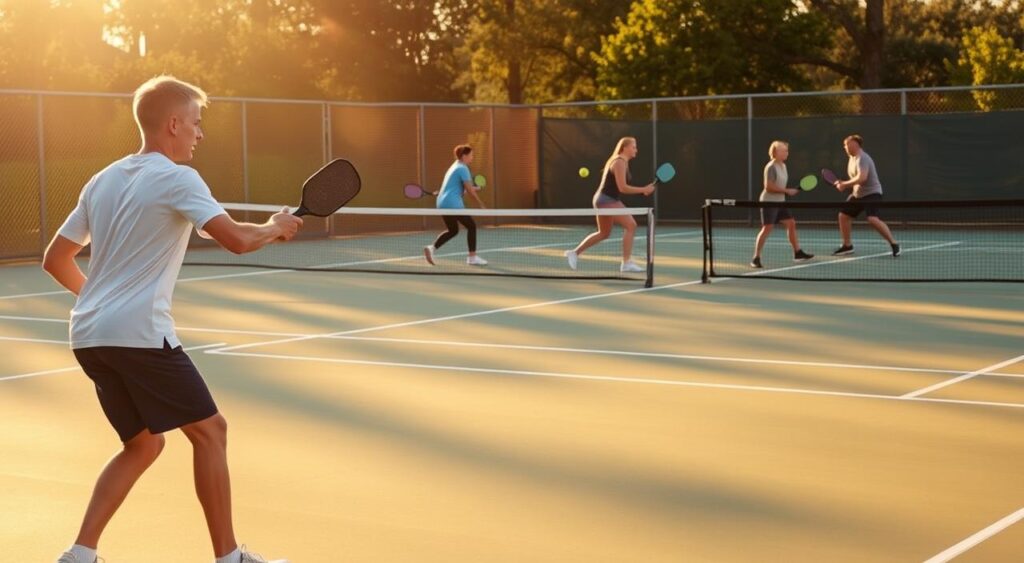
Every skilled pickleball player knows how important it is to dink with precision. Being aware of net height is crucial for executing a successful dink shot, as it helps you control the ball and keep it low over the net. Mastering it takes focusing on several key aspects, particularly on contact with the ball .
Grip and Stance
The right grip and stance are the start of a good dink shot. Make sure your grip is loose for better feel and control. Making quick adjustments to your grip and stance allows you to respond to unexpected shots at the kitchen line. Stand with your knees a bit bent. This keeps you balanced and ready to move quickly. Always have the paddle in front, ready for a backhand punch and precise ball guidance.
Paddle Angle and Follow-Through
Your paddle’s angle is key for dink shots. Angle it so you can softly get the ball over the net and into the right spot. Keep your follow-through small. Focus on control and where you place the ball, not on hitting it hard. Trying to add more power to your dink shots can actually reduce your control and effectiveness. This shot drive technique corners your opponent, making it hard for them to respond well.
Knowing these techniques will really improve your dink shots. They keep them a critical fun shot part of how you play on the court.
Perfecting Your Drop Shot Technique
To ace pickleball drop shots, get the timing and spot on point. Landing a good drop shot that takes into account how the ball bounces messes up your opponent’s play, putting them off balance.
The Third Shot Drop: Your Secret Weapon at the Kitchen Line
The third shot drop is often called the most important shot in pickleball—and for good reason. This soft shot, played as the third shot after the serve and return, is designed to land gently in your opponent’s kitchen, making it tough for them to attack. By mastering the third shot drop, you can significantly enhance your control of the kitchen line and set the tone for the rest of the rally.
A well-executed third shot drop neutralizes your opponent’s aggressive play, forcing them to hit up on the ball and giving you and your partner time to move up to the net. The key to this controlled shot is a minimal backswing and a soft touch, allowing the ball to arc just over the net and land at your opponent’s feet or on their backhand side. This not only makes it difficult for them to return with power, but also keeps them guessing about your next move.
Consistent practice is essential for developing a reliable third shot drop. Focus on quick reflexes, a balanced stance, and making contact with the ball in front of your body. Targeting your opponent’s backhand or feet with this fun shot can open up offensive opportunities and help you win more points. By adding the third shot drop to your arsenal, you’ll gain a powerful tool for controlling the kitchen line and dictating the pace of the game.
Equipment Considerations for Soft Shot Success
Choosing the right equipment can make a world of difference when it comes to executing soft shots at the kitchen line. A paddle with a soft touch and a large sweet spot helps you maintain control and precision, especially when you’re aiming for those delicate dinks and drop shots. Materials like graphite or composite can affect how the ball responds off your paddle, so it’s important to select a paddle that matches your playing style and comfort level.
The type of ball you use also plays a role in your soft shot success. Some balls are designed for more spin and control, which can help you keep your shots low and unpredictable in the non volley zone. When playing close to the kitchen line, make sure your paddle is approved for non volley zone play, as some paddles are specifically engineered for better performance in this area.
By investing in the right paddle and balls, you can significantly enhance your ability to hit soft shots, maintain control during volleys, and outmaneuver your opponent. Remember, the right equipment combined with practice will help you master the art of the soft shot and elevate your overall game.
Shot Selection: Making the Right Soft Shot Choice
Smart shot selection is a game-changer in pickleball, especially when it comes to soft shots. Reading your opponent’s positioning and anticipating their next move allows you to choose the most effective shot—whether it’s a dink shot, drop shot, or soft volley. Each of these soft shots has its own strengths, and knowing when to use each one can keep your opponent guessing and off balance.
For example, a well-placed drop shot can force your opponent to move forward, while a dink shot can exploit open spaces or target their weaker side. Soft volleys are perfect for maintaining control during fast exchanges at the kitchen line. The key is to adjust your shot selection based on the situation—consider your opponent’s strengths, weaknesses, and court position before making your move.
With practice and experience, you’ll develop the instincts to select the right soft shot at the right time, creating more opportunities to win points. Don’t be afraid to mix up your shots and take calculated risks; keeping your opponent guessing is essential for gaining the upper hand in any game.
Timing Your Drop Shot
Hit the drop shot when your rival is at the baseline for best results. It’s tougher for them to charge forward and get the ball back, especially against the serving team. Be ready to react as soon as your opponent hits their return to your drop shot, so you can anticipate their response and stay in control. Watch how they move to sneak the drop shot at just the right moment.
This catches them by surprise, making them likely to slip up. A drop shot that barely bounces and targets the cross court pressures them to hustle, disrupting their flow.
Positioning for Success
Where you stand is key to nailing pickleball drop shots. Be midcourt or nearer to your baseline to hit that sharp, angled shot into the no-volley zone, aiming for the opponent’s feet .
Such placement ups your chances of winning the drop shot game. It forces your foe to sprint, making it tough to return your shot on time. Sticking to this spot helps you guide the ball just right.
Transitioning from Hard Shots to Soft Shots
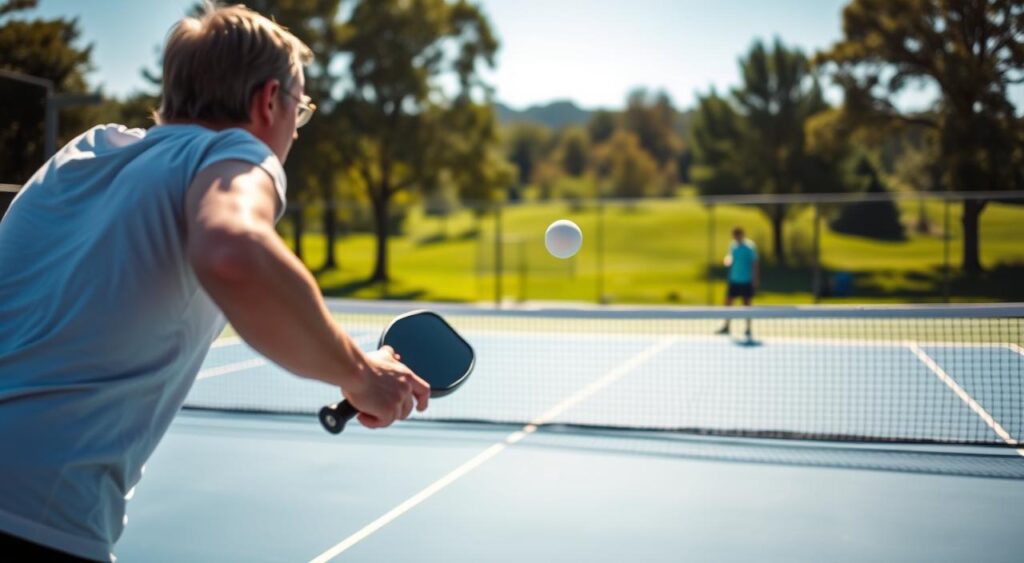
Mastering the switch between hard and soft shots in pickleball can shape a winning game plan. Sometimes, hitting straight ahead with a soft shot can catch your opponent off guard during transitions. It matters to know when to look at your rival’s stance and build a plan that leaves them puzzled. By mixing these strategies, you’re on track to enhance your game. Soft shots, including the backhand spin dink, become your tool to turn the game in your favor.
Reading Your Opponent’s Position
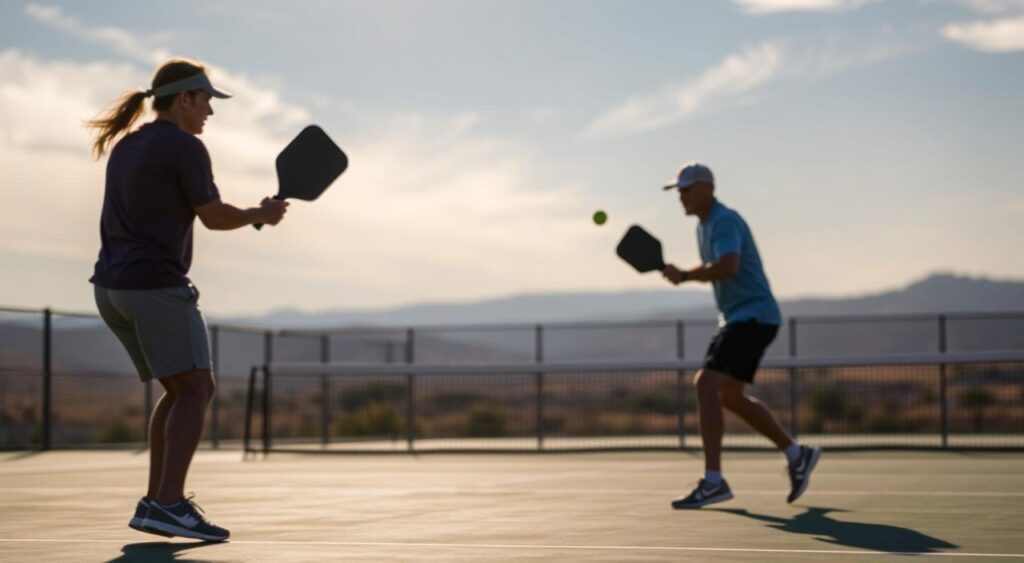
Knowing where your opponent stands is key for soft shot success in pickleball. If they’re far back, a gentle shot can draw them in, making them rush their return, or you can send the ball to the opposite side of the court to exploit their positioning. But, if they’re near the net, a smart lob can send them back. This gives you room for your next move.
Developing a Strategy
To get better, weave hard and soft shots into your game plan. Changing speed and direction keeps your opponent guessing. They’ll struggle to defend, giving you chances to win.
- Analyze how your opponent plays and their weak spots.
- Use both hard and soft shots to surprise them.
- Train to make your soft shots land perfectly to your advantage.
- Practice advanced shots like the roll volley to add variety to your strategy and keep opponents at the baseline.
Common Mistakes to Avoid with Soft Shots
Getting good at the soft game in pickleball takes precision and control. But sometimes, players slip up. These slip-ups can change the game in favor of the other team. Common mistakes with third shot drops, for example, can give your opponent an easy advantage by allowing them to attack or keep you from advancing to the kitchen line. Here are two main mistakes to dodge in pickleball’s soft shot techniques.
Overhitting
Overhitting is a big mistake while playing the soft game. When you hit soft shots like dinks and drops too hard, it becomes easy for the other team to hit back. To get better at soft shots, keep your paddle contact gentle and under control.
Poor Placement
Messing up the shot placement is another big mistake. If your dinks and drops don’t fall right within the non-volley zone, your opponents get a big leg up. To get better, practice placing your shots accurately in drills and games. This will not just improve your soft game skills. It will also make your soft shot techniques stronger.
Drills to Enhance Soft Shot Skills
Improving your pickleball touch is key for mastering soft shots. Doing drills alone or with a partner can really up your game. It helps polish your accuracy and quick responses. Make sure to include volleying practice in your drills to improve your net play and control during rallies. These drills will get you good at doing pickleball soft shot techniques in various game situations.
Solo Practice Drills
Solo drills are great for getting better at precise and controlled shots. Start by aiming for specific areas of the court. Focus on hitting corners and getting it just over the net. This practice boosts your accuracy, letting you hit your shots right where you want them in a game.
- Put markers or cones on different spots on the court.
- Try hitting the ball to these markers by yourself.
- Slowly make these shots farther and more complex.
Doing these drills over and over will improve your pickleball touch. You’ll be able to make soft shots well, even under pressure. Practicing advanced soft shots during solo drills can be such a fun shot to master on your own.
Partner Drills
Partner drills mimic actual game play and give you instant feedback, which is vital for getting better. Doing drills with a partner helps you adjust to changing game situations. It also improves your decision-making.
- Start with simple dinking rallies to work on control and accuracy.
- Then, try harder drills that include drop shots and lobs.
- Work on moving and positioning to cover the court better.
Drilling with a partner improves your reaction time. It also helps you get better at performing pickleball soft shot techniques in real matches.
Mental Strategies for Executing Soft Shots
To be great at the soft game in pickleball, it takes more than skills. You need strong mental tactics too. These mental tricks help you stay cool and in control, even when it gets tough. This way, you can make sure your soft shots hit the mark every time.
Kitchen-Line Etiquette: Playing with Respect and Precision
The kitchen line is one of the most important—and challenging—areas on the pickleball court. Playing here requires not only skill, but also respect for the rules and your opponent. Always be mindful of the non volley zone (NVZ) rules: you can’t volley the ball while standing in the kitchen, so make sure to step out before making contact during a volley.
Respect your opponent’s space by avoiding unnecessary contact with them or their paddle, and always be aware of your positioning. Good kitchen-line etiquette means playing with precision, staying focused, and avoiding common mistakes that can lead to faults or penalties. This high-pressure area demands composure and sportsmanship, so prioritize fair play and acknowledge your opponent’s skills.
By following the rules and maintaining a respectful attitude at the kitchen line, you’ll not only improve your own game but also contribute to a positive and enjoyable playing environment. Remember, great players are known not just for their shots, but for their respect and integrity on the court.
Staying Calm Under Pressure
It’s important to keep your cool with soft shots in pickleball. Feeling nervous can mess up your focus and shot. Just breathe, keep your grip easy, and believe in your practice. Doing this helps you stay steady and focused, even when the game gets tense, and allows you to react quickly to challenging shots.
Visualization Techniques
Imagining your moves in pickleball can really up your game. Envision landing those soft shots perfectly. This kind of mental practice boosts your muscle memory and confidence. With regular visualization, making those precise soft shots feels natural in real games.
Integrating Soft Shots into Your Game Plan
Creating a winning pickleball strategy means mixing both soft and hard shots. This mix makes your game more complex and unpredictable. A well-placed soft shot can force your opponent to lift the ball slightly over the net, setting up an opportunity for an overhead smash—a powerful, downward shot used to finish points. Understanding each shot and how they work together is key to controlling the game.
Combining Soft and Hard Shots
Using soft shots smartly can lead to powerful hard shots. For example, a gentle dink forces your opponent to move closer to the net. This opens up a chance for a strong smash. Mixing soft and hard shots keeps your game interesting and challenges your opponent.
Building a Complete Game Strategy
To excel in pickleball, blend soft shots into every aspect of your game. Practice these skills to move smoothly between shot types. Aim to switch between soft and hard shots naturally, depending on the game.
Consistent training and strategy development are crucial. They help you control the game, set the tempo, and surprise your opponent. Learning to use both soft and hard shots will improve your game. You’ll be ready to face any opponent with confidence.
FAQ
When should you use Soft Shots in a game?
You should use soft shots by watching where your opponent is and how the game is going. They’re good when your opponent is far back. This makes them come forward and throws off their plan.
What are the key types of Soft Shots in Pickleball?
The main soft shots are dinks, drop shots, and lobs. Dinks make the opponent reach out awkwardly. Drop shots move play from the back to the net. Lobs shake things up by sending the ball high and far.
What are the key mechanics behind a successful Dink Shot?
A good dink shot needs the right body moves. Keep a light grip and the paddle ahead, with knees bent a bit. Angle the paddle slightly open and keep your follow-through small to focus on accuracy, not power.
How do you perfect your Drop Shot technique?
It’s all about timing and where you stand. Hit a drop shot when your opponent is far back. You want the ball to barely bounce, forcing them to move a lot.
How do you transition effectively from Hard Shots to Soft Shots?
Switching between hard and soft shots keeps your opponent guessing. Watch how they move. If they’re back, a soft shot can pull them forward and mess up their rhythm.
What are common mistakes to avoid with Soft Shots?
Avoid hitting too hard or in the wrong spot. Hitting too hard can make it easy for the other side. Bad aiming, especially with dinks or drops, can lose you the advantage.
What drills can enhance Soft Shot skills?
You can practice alone by aiming at certain parts of the court. Playing with a partner can mimic real games. Both practices can sharpen your skills and help with making decisions.
What mental strategies help in executing Soft Shots under pressure?
Keeping cool helps you think clearly and hit accurately. Picturing yourself making perfect soft shots can also help you focus and be confident in matches.
How do you integrate Soft Shots into your Game Plan?
A smart game plan uses a mix of soft and hard shots. Think about how soft shots can lead to strong ones. Practice mixing these techniques to improve and compete at a higher level.