



Infrared motion sensors are changing the game in keeping people safe at night. These devices sense when someone is moving, providing a night light to illuminate the area and ensuring adequate lighting in hallways to prevent falls. Then, the lights turn on automatically. This makes it easy to avoid falls in the dark. Sensors like these, which use infrared technology to detect movement, are great for keeping seniors safe at night. That’s when it’s hard to see and falling is more likely.
Key Takeaways
- Infrared motion sensors play a critical role in fall prevention by detecting movement and triggering lights.
- They are essential senior fall prevention equipment for enhancing nighttime safety.
- Automatic lighting reduces the risk of falls during nighttime navigation.
- These devices are simple to install and maintain.
- Investing in infrared motion sensors promotes a safer home environment.
- Infrared motion sensors help in ensuring safety for seniors at night by providing reliable, non-intrusive monitoring and quick emergency response.
What Are Infrared Motion Sensors?
Infrared motion sensors play a crucial role in improving safety and security. These advanced devices are made to sense movement. A motion sensor uses infrared technology for motion detection in various environments, allowing it to detect changes in heat and movement. They have many uses, from making homes smarter to keeping workplaces safe. Let’s look into how they work, the different kinds available, and their various uses.
How Do They Work?
Infrared motion sensors detect the infrared radiation that warm objects release. When something moves within their range, the movement is detected by the sensor, triggering an alert. For example, they usually use a method called passive infrared (PIR) to pick up body heat and spot movement.
Types of Infrared Motion Sensors
Different motion sensors are built for different places and needs.
The most common types are:
- Passive Infrared (PIR) Sensors: Perfect for places inside, like hallways, because they detect body heat well.
- Ultrasonic Sensors: These use sound waves to spot movement and work well both inside and outside.
- Microwave Sensors: By sending out microwave pulses and checking their reflection, they can spot movement across big areas.
Each of these sensor types can be used in a motion sensor light, offering different advantages depending on the location. For example, a PIR motion sensor light is ideal for hallways, while ultrasonic or microwave motion sensor lights may be better for entryways or larger spaces.
Applications Beyond Fall Prevention
Infrared sensors are not just for stopping falls. They’re key to security systems, warning us about break-ins and enhancing energy efficiency. A comprehensive system of sensors, alarms, and automation can further enhance home safety by providing integrated monitoring and rapid response.
They also make smart homes smarter, controlling things like lights and thermostats to save energy and add comfort, with automated sensor systems delivering significant energy savings through optimized usage.
Importance of Fall Prevention in the Home
Falls are a big worry for older people because they can cause serious injuries and lead to losing their independence. Using devices designed for elderly safety and installing smart sensors at home, customized to the specific needs of each house, can greatly lower this danger, providing a way to alert caregivers .
Statistics on Falls Among Older Adults
The Centers for Disease Control and Prevention (CDC) says one in four older adults falls each year. Sadly, under half talk to their doctor about it. Falls lead to more than 800,000 people being hospitalized every year, mostly for head injuries and broken hips.
- About 3 million older adults get treated in emergency rooms for fall injuries every year.
- Severe falls cause around 32,000 deaths each year among seniors.
Common Causes of Falls
Many things make falls common in older adults.
Here are some usual reasons:
- Poor lighting: Not enough light increases tripping hazards.
- Slippery floors: Floors that are wet or too smooth can be very dangerous.
- Clutter: Items like throw rugs, loose rugs, and furniture can lead to tripping.
- Weakness and balance issues: Less muscle strength and poor balance also make falls more likely.
How Falls Impact Quality of Life
Falls deeply affect how well older adults live their lives. Healing from injuries caused by falls can take a long time. It affects both their physical and mental health.
Seniors might end up with:
- Less ability to move around and be independent
- More worry and fear about falling again
- Losing touch with friends and fewer social activities
- Bigger health care bills and money problems
Adding safety gadgets for the elderly, like smart sensors, in key areas of homes is a good way to lower these risks. Bed alarms or bed pads can also be used to detect when someone gets out of bed, further reducing fall risk at night. These sensors turn lights on in dark areas when they detect movement. This makes homes safer and helps prevent falls.
Benefits of Infrared Motion Sensors
Infrared motion sensors bring many advantages to make homes safer, especially for seniors. Adding these sensors can provide peace and give you comfort, knowing you’ve improved both security and safety substantially. Motion sensor lights automatically illuminate pathways, reducing the risk of nighttime falls.
Enhanced Safety and Security
These sensors boost safety by lighting up dark spots when they sense movement. This lessens the chance of falls, crucial for older adults. It also keeps intruders away, enhancing security. By using senior fall prevention equipment and setting up real time alerts, you are taking an important step to protect your loved ones. Some systems also include an alarm that notifies caregivers immediately if unusual movement is detected.
Cost-Effectiveness Over Time
The long-term value of motion sensors is clear. They have durable parts that seldom need replacing, which saves money. Many sensors use batteries, making them easy to maintain and reducing installation costs. Even though there’s an upfront cost, you’ll save on replacements and upkeep, leading to big financial savings.
Easy Installation and Maintenance
Setting up and caring for infrared sensors is simple. This means people can install them without much technical skill. They need just a little upkeep, like the occasional cleaning, to keep working smoothly.
Choosing the Right Sensor for Hallways
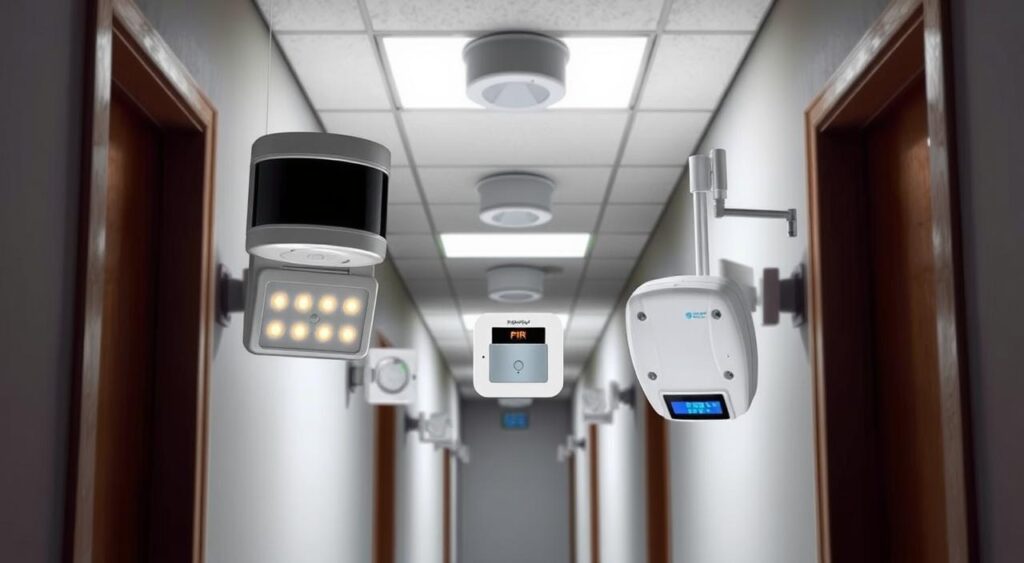
When picking infrared sensors for your home’s hallways, look for key features. These include how far they can detect, how sensitive they are, and if they work with your smart home gadgets.
Key Features to Consider
The distance a sensor can detect is vital for covering your hallway well. You’ll want to check how sensitive the sensor is too. The ability to adjust sensitivity helps tailor the sensor to your hallway’s activity level, reducing false alarms. This lets you avoid false alarms but still catch any movement, especially in areas with a higher risk .
Also, make sure it fits well with your smart home setup. This makes sure everything works together perfectly.
Recommended Brands for Home Use
Several trusted brands make great motion sensors for hallways. For example, Zemplee offers top-notch sensors that are reliable. They’re made for indoors, easy to connect with smart homes, and keep your hallway safe.
Comparing Indoor vs. Outdoor Sensors
It’s key to know the difference between sensors for inside and outside. Indoor ones are great for small spaces and don’t need to handle weather. Outdoor sensors, though, are tough enough for any weather and cover more ground.
| Feature | Indoor Sensors | Outdoor Sensors |
| Environment | Controlled, stable conditions | Variable, includes weather exposure |
| Detection Range | Moderate, suitable for hallways and enclosed spaces | Extensive, meant for larger, open areas |
| Sensitivity Settings | Adjustable to minimize false alarms | Weather and motion differentiation to reduce false alerts |
| Durability | Standard durability for indoor use | Enhanced durability for outdoor environments |
Placement of Motion Sensors in Hallways
Placing infrared motion sensors in hallways boosts your home’s safety and security. It’s key to put them in the right spots to get the best results. This stops falls, especially for older folks, providing a night light when they need to move around. Our guide will show you how to position your sensors well. Make sure the sensor’s field covers the entire hallway for maximum effectiveness, so movement is detected wherever it occurs.
This setup helps you monitor activity and keep everyone safe by responding quickly when needed. The sensor triggers the light or alert when movement is detected in its field.
Ideal Locations for Maximum Effectiveness
Where you put sensors matters a lot for spotting movement accurately. Place them in busy spots like your main hall, near stairs, and close to doors. These areas catch most action and help sense movement or falls quickly, as the sensor is triggered when a person moves through these areas. This gives you fast warnings and help.
Height and Angle Considerations
The spot and tilt of your sensors affect how well they work. In hallways, it’s good to place them 7-8 feet high and aim them down. This setup covers more ground. Tweaking the tilt helps avoid missed spots and false alarms.
Common Mistakes to Avoid
Keep sensors away from heat sources and sunlight to prevent wrong alerts. Also, don’t put them behind furniture or curtains. Making sure nothing blocks their view makes them work better at stopping falls, especially if they are battery powered. For added safety, place sensors close to doors and consider installing window sensors to monitor entry points and enhance security.
Knowing where to put motion sensors is key for a safer home. Putting infrared sensors in the right spots prevents falls and keeps everyone safe. Smart sensor placement can really change things by preventing falls and responding quickly when needed.
Integrating Sensors with Home Automation
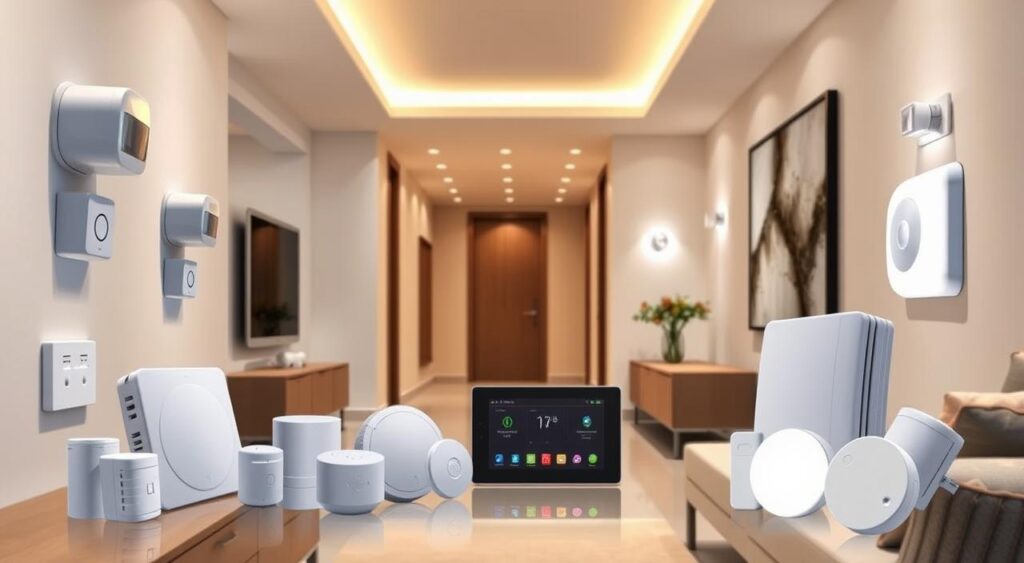
Adding infrared motion sensors to home automation makes homes safer, especially for older adults. Thanks to improvements in smart home sensors and reduced energy consumption, creating a network of safety devices for the elderly is easy. A system of sensors, alarms, and wireless monitors provides comprehensive coverage and enables remote oversight, ensuring that all areas are monitored and caregivers can respond quickly to any alerts. These devices work together to keep living spaces secure.
Smart Home Systems for Fall Prevention
Smart home systems with infrared sensors can help stop falls before they happen. They can tell family or caregivers right away if someone falls. This quick alert ensures help arrives fast.
Also, connecting these sensors with other smart home sensors builds a complete safety network. It watches over movement and changes in the environment.
Voice Activation and Alerts
Being able to control things with your voice is a cool part of these systems. Older people can turn on lights, change the thermostat, or call for help just by speaking. Plus, caregivers can get alerts on their phones instantly, making it quicker to respond to emergencies.
Remote Monitoring for Caregivers
Smart home sensors let caregivers watch over their loved ones from afar. These sensors keep track of daily routines, spot anything odd, and alert for quick help. This way, safety devices do more than just react; they prevent problems, giving peace of mind to the elderly and their caregivers.
Analyzing Results and Outcomes
| Metric | Before Installation | After Installation |
| Nighttime Fall Incidents | 15 per month | 3 per month |
| Emergency Room Visits | 5 per year | 1 per year |
| User Satisfaction | 65% | 95% |
The data shows how effective the sensors and equipment are. The drop in falls and ER visits, plus high satisfaction, prove their value. They really change lives, making seniors safer and happier.
Challenges and Limitations
Infrared sensors can make places safer, but there are a few issues to watch out for. These sensors must be set up and aimed the right way to prevent common problems like false triggering . False alarms, not catching movement from far away, and worries about privacy can arise.
Potential False Alarms
False alarms with infrared sensors can happen a lot. Things like pets, moving shadows, and temperature changes can set them off. To fix this, pick sensors that let you adjust their sensitivity. This way, you can tune them to ignore minor movements and lower false alarms.
Limitations in Sensor Range
Infrared sensors don’t work well over long distances. They usually can only sense movement close by. This means they might not cover big spaces well. When placing them, check how far they can sense to make sure they cover the entire area and the sensor’s field is optimized. Knowing their range helps in setting up extra sensors where needed to make sure nothing gets missed.
Addressing Privacy Concerns
When using sensors, privacy is a big concern. But infrared sensors are better for privacy than other kinds. They only notice movement without showing what or who moved. To ease worries about privacy, look for sensors that focus on safety without invading personal space.
| Challenge | Description | Possible Solutions |
| False Alarms | Triggered by pets, shadows, and room temperature changes | Sensors with advanced filtering mechanisms and sensitivity adjustments |
| Range Limitations | Limited detection distance impacting coverage | Strategic positioning and additional units for full coverage |
| Privacy Concerns | Potential invasion of privacy with sensor use | Selecting privacy-friendly sensors designed to respect personal space |
Regular Maintenance and Testing
Keeping your infrared motion sensors in check is crucial for their best work and trust. To make sure they stay useful, it’s important to test them often, follow tips for fixing issues, and know when to get new ones. These steps help ensure safety devices stay ready to do their job well.
Recommended Testing Schedule
To keep safety devices working well, testing them every month is a smart plan. This should include checking if the sensor responds well and sets off the right warnings. Doing these tests often finds problems early, making sure your home’s safety is always on guard.
When to Replace Sensors
Even with careful upkeep, there comes a time when you’ll need new sensors. They usually last from five to seven years. If you start getting a lot of false alarms or the sensor seems less sharp, it’s likely time for an update. Always choose to get the latest devices to keep safety levels high.
Future Innovations in Fall Prevention Technology
The future of fall prevention tech is exciting, especially with AI helping keep the elderly safe. Sensors are getting better, offering more accuracy and efficiency. Let’s dive into emerging trends and tech in fall prevention.
Emerging Trends in Motion Sensors
One big trend is the rise of multi-functional sensors. These don’t just detect motion but also check for things like temperature and air quality. These advanced sensors aim to monitor a person’s overall well-being, improving safety.
The Role of AI in Fall Detection
AI is changing how we detect falls in the elderly. By analyzing movement patterns, AI algorithms can predict falls before they occur, leading to faster help. Machine learning means these systems get smarter over time, tailoring safety measures for each individual.
Predictions for Future Developments
In the future, fall prevention tech will bring even more innovations. Imagine wearable devices working with home systems, alongside other devices sending instant alerts to caregivers and doctors. As tech gets better, we’ll likely see a stronger focus on preventing falls, making life safer and better for the elderly.
Conclusion: Investing in Safety
Investing in home safety is essential, especially to protect groups like the elderly. Infrared motion sensors add security, enhancing elderly care . They help prevent falls and keep independence in the home. These devices lower accident risks and better overall health.
Long-Term Benefits of Infrared Motion Sensors
Infrared motion sensors offer many long-term gains. They detect movement and dangers, making living safer, especially at night. This reduces stress for elderly care, giving seniors and caregivers peace of mind. These investments also cut down on medical costs from falls.
Making the Decision for Your Home
Deciding to use infrared motion sensors at home needs thought. Think about your home’s setup and where falls might happen. Look at different brands to find the best fit.
Starting with key places like hallways and bedrooms and bathrooms is smart. This makes the sensors work best.
Resources for Further Information
Many resources can help you with home safety. Talking to experts and looking at product reviews offers insights. The National Council on Aging (NCOA) and the Centers for Disease Control and Prevention (CDC) have guides on preventing falls. This info helps pick the right safety devices for a secure home.
FAQ
How do infrared motion sensors work?
They send out infrared light and measure the heat around them. When someone moves, it notices the change in heat and acts, like sending an alert.
What types of infrared motion sensors are available?
There are passive sensors that catch body heat and active ones that send and catch infrared light to spot movement. Both kinds help stop seniors from falling.
Are infrared motion sensors useful beyond fall prevention?
Yes, they help with security, making homes smarter, and in industries to make work places safer and more efficient.
Why is fall prevention important in the home?
Keeping seniors from falling is crucial because falls are a top reason they get hurt. Stopping falls helps them live better and more freely.
What are the statistics on falls among older adults?
The CDC says each year, one out of four Americans over 65 falls down, and these falls often cause serious harm. Using infrared sensors and pressure sensors can cut down these risks.
What are the common causes of falls?
They include slippery floors, bad lighting, uneven ground, and health issues that affect seeing and balance.
How do falls impact the quality of life?
Falls can result in big injuries, loss of freedom, and even death. They also make people scared of falling again, limiting their movement and social life.
What are the benefits of infrared motion sensors?
They make places safer, save money over time, and are easy to set up and keep going. They are perfect for preventing accidents and ensuring the safety of the elderly.
How do infrared motion sensors enhance safety and security?
By detecting motion and using cameras , they inform caregivers or start automatic safety steps, lowering fall chances and making homes safer.
Are infrared motion sensors cost-effective?
Yes, they reduce money spent on healthcare from falls and better the quality of life. This makes them a wise choice for keeping seniors safe.