


The DASH diet stands for dietary approaches aimed to Stop Hypertension. It’s a plan that helps you manage and lower your blood pressure. How DASH works: The DASH diet focuses on nutrient-rich foods while limiting unhealthy options, which helps in reducing risks associated with heart disease and hypertension. By emphasizing lower sodium intake and nutrient-rich foods, the DASH diet helps prevent high blood pressure. This diet not only helps with blood pressure but also makes your heart healthier and can lower your risk of heart disease.
The DASH diet also emphasizes limiting added sugar and sugar sweetened beverages to help manage blood pressure and improve overall health.
Key Takeaways
- The DASH diet focuses on lowering blood pressure and improving heart health.
- Nutrient-rich foods are a cornerstone of the DASH diet benefits.
- Reducing sodium intake is essential for controlling hypertension effectively.
- This diet can also enhance lipid profiles, thereby lowering heart disease risk.
- Adopt the DASH diet to enjoy improved cardiovascular health overall.
What is the DASH Diet?
The DASH Diet is a heart healthy diet to help you eat healthier and lower your blood pressure. It was created by health experts in the US. The diet makes sure you eat different food groups for all the nutrients your body needs.
The DASH diet is a balanced eating plan that makes heart-healthy food choices accessible and practical.
Overview of the DASH Diet Principles
The DASH diet focuses on eating foods that are good for you. Certain foods high in sodium can increase blood pressure, so the DASH diet emphasizes reducing salt intake. It aims to reduce salt and increase foods rich in potassium, calcium, and magnesium. These are minerals that help control healthy blood pressure. By sticking to these rules, you can fight high blood pressure and lessen the risk of heart disease.
Recommended Food Groups
Following the right food groups is key in the DASH diet. The DASH diet also recommends consuming fewer servings of meats, fats, and sweets to manage blood pressure and promote heart health.
- Fruits and Vegetables: Try to eat 4-5 servings each day. They’re low in calories and packed with vitamins.
- Whole Grains: Eating 6-8 servings a day gives you fiber and nutrients for better digestion and heart health.
- Lean Proteins: Have up to 2 servings of meats or fish a day. Add beans and nuts for plant proteins. The DASH diet limits foods high in saturated fat, including fatty meats. Including dried beans as a valuable source of protein, magnesium, and fiber can enhance your nutritional intake.
- Low-Fat Dairy: 2-3 servings a day will get you enough calcium. Including low-fat dairy foods such as milk, yogurt, and cheese is important for maintaining healthy blood pressure levels.
- Sodium: Keep salt under 1,500-2,300 milligrams a day to control blood pressure. Limiting fats and oils is also crucial to maintain heart health.
- Low-Fat Sweeteners: Using low-fat sweeteners like maple syrup in moderation is permissible, especially compared to higher-fat dessert alternatives.
By eating these food groups, including frozen vegetables your meals will be healthier and more balanced. The DASH diet promotes eating lots of different, nutritious foods for long-term health.
Health Benefits of the DASH Diet
The DASH diet is great for anyone wanting to get healthier. It helps manage blood pressure and boosts health greatly. The DASH diet also helps prevent cardiovascular disease by lowering high blood pressure and cholesterol levels. Additionally, the DASH diet can help individuals lose weight by encouraging healthier eating habits.
One amazing benefit of the DASH diet is its power to lower blood pressure quickly. Studies show it works in just weeks. It focuses on eating lots of fruits, veggies, whole grains, and low-fat dairy. This makes your diet rich in nutrients, which is good for your blood pressure. Including potassium-rich foods is also important to help lower blood pressure.
Lowering Blood Pressure
Lowering blood pressure is a huge win for the DASH diet, which is designed to both prevent and treat high blood pressure. Clinical studies back this up, showing significant drops.
The focus on fruits, veggies, whole grains, and low-fat dairy is key. This combo makes for a nutrient-packed diet that keeps blood pressure in check.
Reducing Heart Disease Risk
The DASH diet is also great for your heart because it includes low fat dairy products. The diet limits saturated fats found in full-fat dairy products to help maintain healthy cholesterol levels. It helps keep cholesterol levels healthy.
This prevents heart disease. The mix of healthy fats, proteins, and fibers plays a big part. It keeps your heart healthy and lowers the risk of heart problems.
Supporting Weight Management
Keeping a healthy weight is crucial, and the DASH diet supports this. It focuses on good, lower-calorie foods.
This diet helps prevent diseases related to obesity and cuts down inflammation. Its well-rounded approach ensures you get all essential nutrients without too much saturated fat and any calories.
Adding the DASH diet to your life brings many health perks and approaches to stop hypertension . It stresses eating wholesome, nutrient-packed foods.
This helps you stay healthy, avoid chronic diseases, and maintain improved cholesterol levels. It’s a solid strategy for a healthier future.
Nutritional Components of the DASH Diet
It’s key to know the nutritional basics of the DASH diet for good health. This diet promotes a heart-healthy eating style for life by focusing on different food groups and their perks, helping you eat in a balanced, heart-healthy way.
Emphasis on Fruits and Vegetables
Eating lots of fruits and veggies is a big part of the DASH diet. They’re full of vitamins, minerals, and fiber for better health. Incorporating raw vegetables into your diet is essential for their fiber, vitamins, and minerals. Including raw leafy vegetables like spinach and kale in your diet is especially important for their nutritional benefits. Plus, their antioxidants fight inflammation and lower disease risk.
Whole Grains and Lean Proteins
Whole grains and lean proteins are fundamental to the DASH diet. Choosing whole grains like brown rice, oats, and whole wheat pasta boosts your fiber, aiding digestion and heart health. Whole wheat pasta, in particular, can help lower cholesterol and promote a feeling of fullness. Lean proteins from fish, poultry, and nuts provide great nutrients with less bad fats.
Limiting Salt and Added Sugars
For DASH diet success, it’s important to eat less salt and sugar, including avoiding canned fruit that is packed with added sugars . Too much salt can raise blood pressure, but herbs and spices offer flavor without the salt. Being aware of sodium content in table salt and processed foods is crucial to manage blood pressure. Additionally, it’s important to be aware of how much salt is consumed, including the significant amount present in many prepared foods. Eating fewer sweets and sugar sweetened beverages also helps you stay at a healthy weight and lowers diabetes risk.
Here’s a brief guide to balancing these components:
| Nutrient | Sources |
| Whole Grains | Brown rice, oats, whole wheat bread |
| Lean Proteins | Fish, poultry, nuts |
| Low Salt | Herbs, spices |
| Low Sugar | Fresh fruits, water instead of sugary drinks |
Scientific Research Supporting the DASH Diet
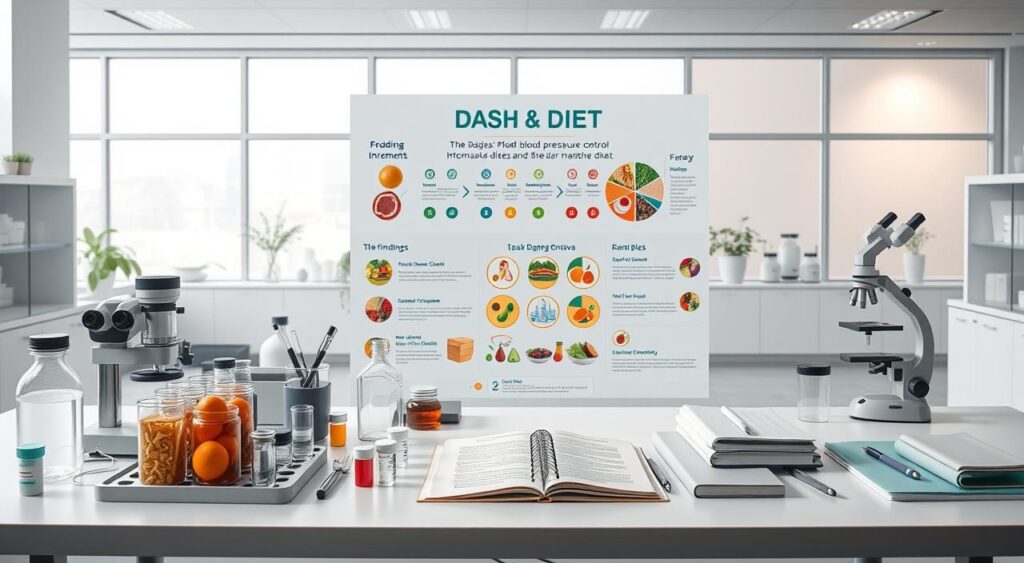
Extensive studies have proven the DASH diet’s success in lowering high blood pressure, including the consumption of canned fruit . These studies were conducted by leading institutions, including works from the National Heart, Lung, and Blood Institute.
Key Studies on Blood Pressure Control
Many studies show the DASH diet can lower high blood pressure quickly. One important study found that people on the DASH diet saw big drops in blood pressure in weeks. This proves the DASH diet is key in fighting hypertension.
Long-term Health Impacts
The DASH diet has long-term health benefits as well. It not only helps quickly but also lowers the chance of chronic diseases like heart disease over time. Plus, it can reduce the risk of stroke and other heart problems, making it a great choice for a healthy heart.
Getting Started with the DASH Diet
Starting the DASH diet means planning and understanding the rules. You have many food choices, making meal prep fun and healthy. Here are some steps and tasty recipes to begin your DASH diet.
Creating a Meal Plan
To make a great DASH diet plan, use a variety of food groups for nutrition. Include fruits, veggies, grains, and lean proteins daily. Here is a simple meal plan to get you started:
| Meal | Foods Included |
| Breakfast | Oatmeal topped with berries and a side of low-fat yogurt |
| Lunch | Grilled chicken salad with lots of veggies and a whole-grain roll. Include cooked meat as a source of protein and magnesium. |
| Dinner | Baked salmon with quinoa and steamed broccoli. Use vegetable oil like olive or canola for healthier cooking. |
| Snacks | Sliced apples with almond butter or some nuts |
Easy Recipes to Try
Switching to the DASH diet is easy with simple, tasty recipes. Try these healthy eating options:
- Vegetable Stir-Fry: Mix bell peppers, broccoli, and snap peas in a pan. Add tofu or chicken and flavor with ginger and low-sodium soy sauce. Use vegetable oils like olive or canola as healthier alternatives to butter.
- Quinoa Salad: Combine quinoa, cherry tomatoes, cucumber, red onion, and feta cheese. Dress with olive oil and lemon juice for a fresh, filling meal.
With these tips and recipes, moving to a healthier diet is both easy and fun. A well-planned DASH diet meal plan means you eat well, including dry beans, and enjoy a variety of yummy meals daily.
Common Misconceptions About the DASH Diet
Many people have wrong ideas about the DASH diet. This can lead to confusion about its real advantages and how it can be used. By clearing up these wrong beliefs, you can start the DASH diet with sureness and clear understanding.
Is it Just for Hypertension?
A widespread myth is that the DASH diet is only for people with high blood pressure. But it does more than just control blood pressure. DASH stands for Dietary Approaches to Stop Hypertension, emphasizing its focus on dietary changes aimed at reducing high blood pressure. It improves overall health with balanced eating. So, it’s a good diet for anyone wanting to eat better and live healthier.
Additionally, the DASH diet promotes heart-healthy eating habits that include meats poultry and fish, supporting primary prevention of cardiovascular disease.
Do I Have to Give Up My Favorite Foods?
People also think the DASH diet means you can’t eat your favorite foods anymore. This isn’t true. You don’t have to stop eating the foods you love. It’s about balance and choosing healthier options. For example, you can pick low-fat and low-salt versions of your favorite meals. This way, you follow the DASH diet rules without missing out on what you love.

Lifestyle Changes to Complement the DASH Diet
To get the most out of the DASH diet, making some lifestyle changes is key. Lifestyle modification, including adopting healthy eating habits and regular physical activity, is crucial for managing blood pressure. By adding regular exercise and methods to lower stress, you can boost the diet’s benefits. This combination works well together.
Importance of Physical Activity
Physical activity is key for a healthy heart and overall well-being. Walking quickly, riding a bike, or swimming can help your heart and control your blood pressure. Try to get at least 150 minutes of exercise like this every week. Incorporating at least 30 minutes of moderate intensity exercise, such as brisk walking or cycling, into the DASH diet is essential to effectively manage and lower high blood pressure.
Exercising doesn’t just help keep your weight in check; it also makes you feel better and lowers your chance of getting long-term illnesses.
Stress Management Techniques
Using effective ways to reduce stress is important for your health and complements the DASH diet. Long-term stress can hurt your blood pressure and heart. Adding mindfulness, meditation, or yoga to your routine can lower stress. These practices aid in relaxation and help clear your mind, boosting your health efforts.
Also, getting enough sleep, enjoying hobbies, and spending time with loved ones can greatly lessen stress.
FAQs About the DASH Diet
Starting the DASH diet journey brings up many questions including how to read food labels . You might wonder about snacks and how it stacks up against other diets. Let us look into some common questions.
What snacks can I enjoy on the DASH Diet?
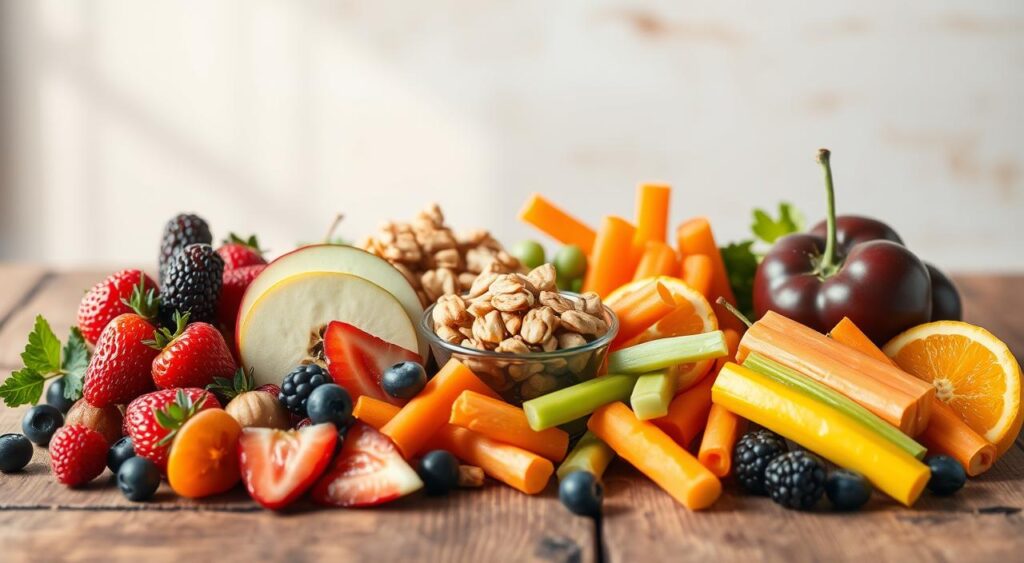
The DASH diet lets you enjoy many healthy snacks including no fat dairy foods . Fruits, like apples, berries, and bananas, are great. They give you important vitamins and fiber. Including fresh fruit as a healthy snack option provides essential vitamins and fiber, which are beneficial for lowering blood pressure and cholesterol levels. Adding a few nuts, such as almonds, walnuts, and pistachios, gives a nice crunch. These nuts provide good fats and protein. For a quick snack, try low-fat dairy. Yogurt or cottage cheese is both tasty and easy. No fat dairy foods like skim milk, low-fat cheese, and yogurt are great snack options that provide calcium and protein.
How does the DASH Diet compare to other diets?
The DASH diet stands out from many popular diets. It isn’t as strict, offering a balanced way to eat. This makes it easier to stick with over time. It’s great for heart health, cutting down on salt, and adding foods that help blood pressure. The DASH eating plan focuses on healthy food sources while limiting sodium intake. Unlike diets focusing just on losing weight, the DASH diet improves overall health. It supports the heart and may help with weight control too.
Tips for Staying Committed to the DASH Diet
Sticking to the DASH diet can seem hard, but it’s doable and worth it with the right tips. Let’s look at some effective ways to keep you on track.
Meal Prep Strategies
Preparing your meals ahead is key to following the DASH diet. By spending time each week on meal prep, you make sure you always have healthy choices ready. This helps avoid the temptation to eat something not on the diet. Additionally, reading food labels to choose foods that are healthier and lower in saturated fats and sodium is crucial. Choosing foods that are free or low fat is also important to maintain a heart-healthy diet.
Here are some meal prep ideas:
- Plan your weekly meals with DASH-approved foods like fruits, veggies, whole grains, and lean meats.
- Cook meals ahead and portion them for easy access on busy days.
- Use clear containers for storing your meals so you know what you have ready.
- Make a shopping list from your meal plan to steer clear of unhealthy purchases.

Finding Support Groups
Being part of a community with the same diet goals can inspire you. Dietary support groups offer encouragement, recipe swaps, and helpful DASH diet tips including the use of meats poultry and fish
Here’s where you can find support groups:
- Look for local groups or meetups focused on healthy eating and the DASH diet.
- Join discussions in online forums and social media dedicated to diet experiences.
- Take cooking classes with others who are learning about DASH-friendly meals.
Getting involved with dietary support groups offers the accountability and friendship needed to follow the DASH diet long-term.
Understanding the Cost of the DASH Diet
The DASH diet is known for being healthy but what about its price? If you plan it right, this diet can be good for you and your wallet. It focuses on whole foods and simple cooking. This way, the DASH diet cuts down on expensive processed foods. Let’s look at how to make smart, budget-friendly choices.
Budget-Friendly Food Choices
For a cost-effective diet, buy foods that don’t hurt your pocket but are key to the DASH diet. Choose beans, lentils, cooked rice whole grains, and fruits and veggies that are in season. These choices are not just healthy. They also help you stick to your budget while following the DASH diet. Choosing foods that are about the size of common objects like a baseball or an iPhone can help with portion control and budget management. Planning meals to meet daily and weekly nutritional goals is essential to ensure you get the right serving sizes based on your daily calorie requirements.
Comparing Costs with Other Diets
Compared to other diets, the DASH diet is more wallet-friendly. It doesn’t need special foods or supplements, just affordable and common ingredients. This makes it an easy choice for many people. Look at the table below to see how it compares cost-wise with other diets.
| Diet | Key Components | Cost Overview |
| DASH Diet | Whole grains, fruits, vegetables | Cost-effective due to focus on budget-friendly foods |
| Keto Diet | High-fat, low-carb foods | Expensive due to high cost of specialty items |
| Mediterranean Diet | Olive oil, fish, nuts | Moderately expensive due to certain high-cost ingredients |
| Paleo Diet | Meats, nuts, seeds | Often costly due to high dependency on meat |
Conclusion: Embrace the DASH Diet for Better Health
The DASH diet is a proven way to better heart health. People all over the world follow it. It focuses on eating right to boost your health.
By choosing the DASH diet, you’re on the path to a healthier life. You can manage your blood pressure better and keep your heart strong.
Encouragement for a Healthier Lifestyle
Switching to the DASH diet is a big step, but it’s worth it. Adding more fruits, veggies, whole grains, and lean meats to your meals is key. This gives your body what it needs.
Start with small steps and be consistent. This leads to big health wins. Keep motivated by setting goals you can reach and tracking your progress.
Resources for Further Learning
To learn more and stick to the DASH diet, check out online resources. You’ll find books, apps, and forums with lots of info and tips. This helps you keep your meals healthy and aligned with your goals.
FAQ
What snacks can I enjoy on the DASH Diet?
You can have fruits, nuts, seeds, low-fat dairy, and veggies as snacks. These keep your energy up and provide good nutrition.
Choosing snacks that are fat free or low fat, such as yogurt or cottage cheese, can help maintain healthy blood pressure levels.
How does the DASH Diet compare to other diets?
Compared to other diets, the DASH diet is less strict and easier to follow. It focuses on heart health and managing blood pressure, not just on losing weight.
Is the DASH diet just for hypertension?
No, the DASH diet is great for anyone who wants to live healthier. While it’s great for heart health and blood pressure, it supports overall well-being for everyone.
Do I have to give up my favorite foods on the DASH diet?
You don’t need to completely stop eating your favorite foods. The DASH diet encourages moderation and healthier choices. It’s about better options, not giving things up entirely.
What are the health benefits of the DASH diet?
The DASH diet helps lower blood pressure and cut heart disease risk. It supports weight control, improves cholesterol, and prevents chronic diseases. Plus, it reduces inflammation and encourages healthy eating.
How does the DASH diet support weight management?
The DASH diet helps manage weight by promoting low-calorie, nutritious food like fruits, vegetables, grains, lean meats, and healthy fats and oils. It limits foods high in salt and fat, helping to avoid obesity-related issues.
How can I get started with the DASH diet?
Begin with a meal plan based on recommended foods like fruits, veggies, grains, lean meats, nuts, and fat free dairy. Make small changes, try simple recipes, and keep meals balanced and varied.
What physical activities complement the DASH diet?
Activities like brisk walking, cycling, swimming, and cardio exercises pair well with the DASH diet for heart health. Strength and flexibility exercises improve overall fitness too.
Are there any stress management techniques that can help while on the DASH diet?
Yes, mindfulness, meditation, yoga, and deep-breathing exercises can lower stress. This supports better blood pressure control and wellness, enhancing the diet’s benefits.