


Accessibility ramp rating tools are key for checking if public buildings are ADA-approved and fully accessible. They’re made through teamwork between colleges like Texas Woman’s University and Columbia University and groups like IndependenceFirst. These ramp rating tools were created to address accessibility needs and ensure ADA compliance. By mixing feedback from users and ADA standards, these tools are super helpful. They assist customers, families, people with disabilities, and property owners in making smart choices about accessibility, addressing various accessibility challenges .
Key Takeaways
- Accessibility ramp rating tools help assess public buildings for ADA compliance.
- Developed through collaborations with universities and organizations.
- Guide users in making informed accessibility decisions.
- Integrate user experience ratings with ADA guidelines.
- Essential for enhancing public spaces for individuals with disabilities.
What Are Accessibility Ramp Rating Tools?
Accessibility ramp rating tools help make sure that public spaces meet ADA standards. They can be apps or digital platforms that check many parts of a building’s access and address accessibility barriers. A platform can centralize accessibility data and streamline the evaluation process for multiple locations. They look at the slope, width, and surface of ramps to see if they’re okay.
Definition and Purpose
Ramp rating tools aim to objectively check if ramps follow rules set by the ADA. They use special software and gadgets to collect important info, which helps determine whether ramps meet ADA standards. This helps architects and planners make ramps that are safe and good for everyone.
Types of Rating Tools Available
There are different tools out there for checking ramps. Some, like ARB, look at many features in a building. Others, like AccessSlope and AccessLight, focus on just one thing. This allows users to address a range of accessibility needs depending on their specific requirements. This makes sure assessments are accurate, which is essential for business, and ramps meet standards.
Using these tools for your projects ensures ramps are good for everyone and follow the rules.
Importance of Accessibility Ramps in Public Spaces
Accessibility ramps make sure everyone can get around in public places. This includes people with disabilities. They’re important for more than just following the law; they enhance the customer experience. For example, accessibility ramps allow customers to access a restaurant easily, improving their overall experience. They help make public areas welcoming and comfortable for everyone.
Evaluating Accessibility Barriers in Restaurants
Ensuring that restaurants are accessible to everyone starts with a thorough evaluation of potential accessibility barriers. Under the Americans with Disabilities Act (ADA), restaurants are required to provide equal access for all customers, including those using mobility devices or wheelchairs. This means that every aspect of the restaurant—from the parking lot to the restrooms—should be easy to navigate and free from physical barriers.
A comprehensive accessibility audit is the first step in identifying obstacles that might prevent people with disabilities from enjoying the restaurant experience. Common physical barriers include narrow doorways that restrict access for wheelchair users, stairs without accompanying ramps, and restrooms that lack accessible features. Even the absence of an accessible entrance or clearly marked accessible parking can create significant challenges.
In addition to the physical environment, it’s important to consider digital accessibility. Restaurant websites are often the first point of contact for customers, and they should provide clear information about accessibility features, such as the presence of ramps, accessible restrooms, and parking options. An accessible website enhances the customer experience by allowing people with disabilities to plan their visit with confidence.
By proactively identifying and addressing these accessibility barriers, restaurants can create a welcoming environment for all customers, improve their reputation, and comply with the ADA. Regular audits and updates ensure that accessibility remains a priority, helping restaurants serve a broader customer base and foster a more inclusive community.
Legal Requirements and Compliance
The ADA requires that public spaces be accessible to those with disabilities. The federal government sets accessibility requirements that public spaces must follow to ensure ADA compliance and avoid legal issues. This law highlights the need for ramps in these areas. ADA compliance checkers are used to make sure ramps meet ADA requirements and are up to standard, ensuring they are ada compliant. They help avoid legal issues and ensure access for all.
Following the ADA isn’t just about obeying the law. It helps create an environment where everyone feels included. Tools that rate disability access can check and improve our spaces. It’s important that every ramp meets the ADA’s standards.
Enhancing Inclusivity and Comfort
Ramps make public places more inclusive and comfortable. They let people with disabilities move freely and on their own, accessing various facilities . Because of this, communities become more united. Everyone’s needs are met.
Tools that measure disability access point out where improvements are needed. They make sure everyone feels welcome and important. Each person, regardless of ability, benefits from accessible public spaces. These tools also help find issues early. This way, we can solve problems before they block access.
- Legal Compliance: Ensures adherence to ADA standards.
- Inclusivity: Promotes a welcoming environment for people with disabilities.
- Comfort: Enhances the ease of access for all individuals.
Adding accessibility ramps and using ADA compliance and disability access tools are key. They help make public spaces lawful, inclusive, and comfortable for everyone when properly install .
Features to Consider in Ramp Rating Tools
Looking into the right tools for checking accessibility ramps is important. It’s key to think about several accessibility features. Evaluating the layout of a space is also crucial for ensuring full accessibility, as it helps determine if the physical configuration supports wheelchair maneuverability and proper ramp installation. These help make systems for evaluating access ramps and software for handicap ramps better, ensuring employees can effectively use them . They become easier to use and fit different needs this way.
User-Friendly Interfaces
A simple-to-use interface is crucial for any ramp evaluation system. Top tools offer clear layouts and simple navigation. This lets people of all tech levels use them well. Tools like ARB and AccessTools are great examples. They have interfaces that many users find helpful.
Detailed Scoring Systems
A detailed scoring system is also key. It gives thorough info on ramp access features, like slope and material. This helps in making good choices. It ensures ramps are safe and meet legal rules. It also makes ramp use more comfortable. For example, a scoring system might rate the ramp’s slope, width, and surface material on a scale to show how well each feature meets accessibility standards.
Customization Options
Customizing options matter a lot in choosing ramp assessment software. They let users change the tool for their needs. Whether changing how to evaluate or report, these tools fit various buildings and user likes. This makes them more useful in many settings.
Thinking about these features helps in finding the best tool. It will fully check ramp access. This offers insights and helps with following laws and being inclusive.
Popular Accessibility Ramp Rating Tools
Nowadays, making public and private places open to everyone is more important than ever. Brands like ARB and AccessTools lead by providing top-notch tools. These help in checking ramps and making sure they fit strict access standards.
Overview of Leading Brands
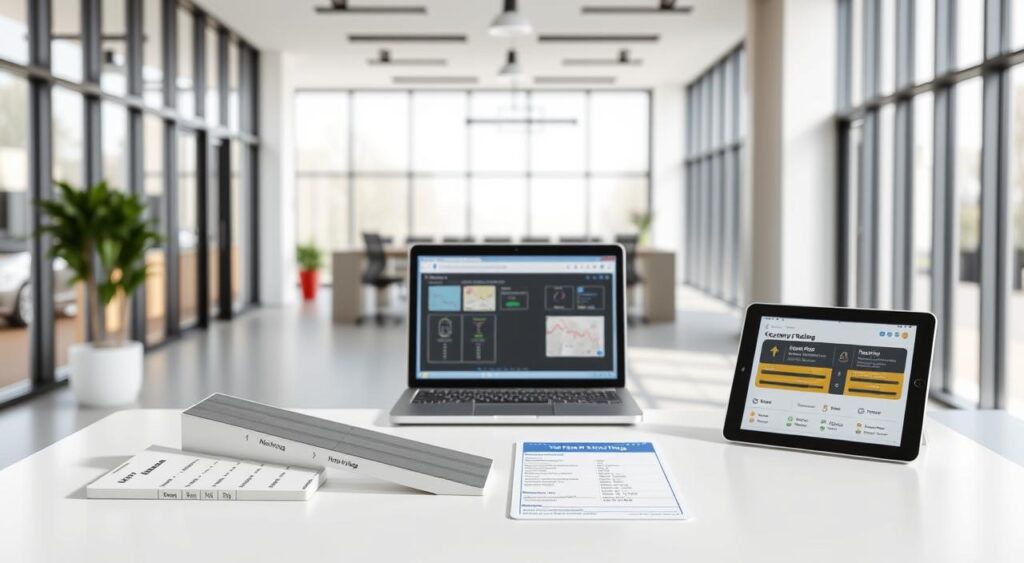
Brands at the top of the ramp rating tool market include ARB and AccessTools. They offer key features for different types of users. They make it easier to rate entrances and inspect ramps effectively.
ARB is famous for its detailed data analysis. AccessTools, on the other hand, is known for its easy-to-use interface. This makes it simpler for everyone to handle.
User Reviews and Experiences
What users say is crucial for gauging these tools’ success. Reviews often praise ARB and AccessTools for their dependable performance in real situations. They like the thorough, helpful advice these tools give for making places more accessible.
Moreover, AccessTools’ design is so straightforward that even those with little tech know-how can use it well. This makes evaluating entrance ratings much easier.
How to Use Ramp Rating Tools Effectively
To get the most out of accessibility ramp rating tools, it’s key to have a plan and avoid easy mistakes. This way, you ensure ramps are checked right and changes are smartly made.
Step-by-Step Guide
Following a certain routine makes using ramp rating software simple:
- Identify the Ramp: First, locate the ramp you want to check and note its details.
- Input Accurate Data: Put in the correct numbers and details into your tools for the right results.
- Review Feedback: Listen to any user comments in the software, as they can offer helpful tips.
- Check for Accessible Signage: Ensure that signage, such as Braille, tactile elements, or high-contrast signs, is present and clearly indicates facilities like restrooms, parking, and elevators.
- Analyze Results: Look at the scores and evaluations to see if the ramp meets standards and is user-friendly.
- Implement Improvements: Use what you learn to make the ramp better and more useful.
Common Mistakes to Avoid
When using ramp rating tools, make sure to avoid these issues:
- Inaccurate Data Entry: Make sure all data you enter is correct to prevent wrong conclusions.
- Ignoring User Feedback: Not looking at what users say can leave out important info and chances to improve.
- Overlooking Software Updates: Always update your software to use new features for better checks.
- Neglecting Customization Options: Use the tool’s customization features to fit your specific needs and scenarios.
- Overlooking Accessibility Issues: Failing to identify certain accessibility issues, such as inadequate signage or poorly maintained surfaces, can result in non-compliance and limit access for people with disabilities.
By using these tips with ramp rating tools, you can get useful findings. This helps make places open to everyone and follows the rules.
Accessibility Ramp Design Considerations
Designing accessibility ramps needs careful thought on many barriers and factors to make them safe and useful for everyone. The slope, material on the surface, how long and wide the ramp is, all matter a lot. They impact how well the ramp works. Using textured or slip-resistant surfaces adds an extra layer of safety, especially in wet or icy conditions.
Slope and Surface Material
The slope of the ramp must be just right so everyone using mobility aids can move easily. ADA rules say the slope for new ramps should be 1:12. This means for every inch of height, there should be at least 12 inches of ramp. Tools that check wheelchair ramps help make sure these numbers are correct.
What the ramp is made of is also key. It has to be non-slip, last a long time, and stand up to weather. Things like textured metal or rubber mats are good since they help stop slips. They are highly recommended for safe entrances.

Length and Width Specifications
The ramp’s size is big for fitting different mobility aids like wheelchairs. It needs to be at least 36 inches wide for easy moving. Also, it should be long enough to keep the slope gentle. This is important for safety and for making it easy to use. Entrance ratings consider these things when they look at ramp designs.
Right tools for checking wheelchair ramps make sure they meet standards. They give detailed sizes and checks. This helps designers make ramps that are easy and safe for everyone.
| Design Aspect | Recommended Standard | Tools for Assessment |
| Slope | 1:12 maximum | Access Slope, ADA Ramp Calculator |
| Surface Material | Non-slip, durable | Material Testing Kits, Surface Durability Assessors |
| Width and Length | 36 inches minimum width, length proportionate to slope | Wheelchair ramp assessment tools, Measuring Tapes |
Integrating Technology with Accessibility Ramps
Integrating technology is key to making accessibility ramps better and easier to use. Adding smart sensors and mobile apps greatly helps in the monitoring, upkeep, and overall experience of these ramps.
Restaurant Websites and Accessibility
In today’s digital age, a restaurant’s website is often the first place customers look for information. To provide equal access and a positive customer experience, restaurant websites must meet ADA compliance requirements and follow the Web Content Accessibility Guidelines (WCAG). This means ensuring that all online content is accessible to people with disabilities.
Key accessibility features for restaurant websites include alternative text for images, closed captions for videos, and easy-to-navigate menus. These elements help customers using assistive technology, such as screen readers, to access important information about the restaurant. Compliance with these guidelines not only meets legal requirements but also demonstrates a commitment to inclusivity.
It’s also essential for restaurant websites to clearly communicate the physical accessibility features of the restaurant. Information about ramps, accessible entrances, elevators, and restrooms should be easy to find. By highlighting these features online, restaurants help customers with disabilities plan their visit and feel confident that their needs will be met.
Making restaurant websites accessible is more than just a legal obligation—it’s a way to enhance the overall customer experience and ensure that everyone has access to the information they need. By prioritizing digital accessibility, restaurants can reach a wider audience and set themselves apart as truly inclusive businesses.
Smart Sensors and Monitoring Systems
Smart sensors are crucial for efficiently managing accessibility ramps. They track how the ramps are used and let authorities know when it’s time for maintenance, providing essential assistance . This helps keep the ramps safe and ready for use.
By using software for assessing ramps, organizations get detailed information on how the ramps are doing. This means they can make smart choices to make ramp access better.
Mobile Applications for Easy Access
Mobile apps have changed how we use accessibility ramps. Apps like ARB give users all the details they need about ramps, like their condition and if they’re free. These apps make it easier for people with disabilities to get around in public places.
These mobile tools use software to evaluate ramps, aiming to be user-friendly. They make sure assessments and user feedback are always top-notch and trustworthy.
The Future of Accessibility in Urban Planning
The future of accessibility in urban planning focuses on new technologies, sustainable materials, and community input. Tools like wheelchair ramp assessment tools and disability access rating tools help cities build for everyone. This approach ensures everyone feels included in our society.

Trends in Ramp Design and Construction
Ramp design and building methods are changing fast. We now have eco-friendly materials, modular systems, and IoT technology. With wheelchair ramp assessment tools, planners can easily put these new designs into action.
Materials such as recycled plastics or permeable concrete are not only eco-friendly. They also provide safe, long-lasting accessibility solutions.
Role of Community Feedback
Hearing from the community is key to meeting public accessibility needs. By listening to regular users, planners and builders can make smarter choices. This improves how ramps work for everyone.
Using disability access rating tools, urban planners gain important feedback. This leads to accessibility improvements and better ramp designs over time. It’s about making ramps that work well and meet people’s specific needs.
Overcoming Challenges in Accessibility Ramp Implementation
Making public spaces accessible for everyone is important. But, adding ramps is not always easy. The main issues are money and making people aware. The cost of failing to meet accessibility requirements can include significant fines and lost business, making it important to budget for accessibility modifications. To fix these problems, planning and using new tools are key.
Best Practices for Accessibility in Restaurants
Creating an accessible and ADA compliant restaurant environment requires a proactive approach and ongoing commitment. Implementing best practices not only helps restaurants meet accessibility regulations but also improves the customer experience for everyone.
- Conduct Regular Accessibility Audits: Schedule routine checks to identify and address accessibility barriers, such as blocked ramps, malfunctioning automatic doors, or inaccessible restrooms. Use specialized tools and platforms to help identify areas for improvement and ensure compliance with ADA requirements.
- Install and Maintain Accessibility Features: Ensure that ramps, grab bars, and assistive devices are properly installed and maintained. Widen doorways where possible, provide slip-resistant flooring, and offer accessible seating options to accommodate customers using mobility devices.
- Train Employees on ADA Compliance: Staff should be well versed in accessibility regulations and know how to assist customers with disabilities. Regular training sessions help employees understand the importance of equal access and how to provide respectful, effective assistance.
- Leverage Technology Platforms: Utilize platforms and tools designed for accessibility improvements, such as repair and maintenance management systems, to streamline compliance and quickly address any issues that arise.
- Communicate Accessibility Features: Clearly display information about accessible entrances, restrooms, and parking both in the restaurant and on the restaurant’s website. This transparency helps customers plan their visit and feel welcome.
By following these best practices, restaurants can create a fully accessible environment that meets ADA compliance requirements, supports customers with disabilities, and enhances the overall dining experience. Investing in accessibility is not just about compliance—it’s about building a welcoming space for everyone.
Budget Constraints
Finding enough money is a big hurdle when it comes to ramps. Public projects often don’t have much cash. But, by getting grants and other funding, progress is possible. Applying for specific accessibility grants helps a lot, as well as utilizing restaurant websites for information . Also, using handicap ramp assessment software makes investing smarter by estimating costs well.
Public Awareness and Education
Teaching people why ramps matter helps them to support these projects by improving signage . Many don’t know how important accessibility is. Workshops, social media, and meetings can change that. Using ramp evaluation software can also show the benefits of ramps. When people understand, they’re more likely to help and value everyone’s right to access.

In short, to add ramps successfully, we need to think about it in several ways. Getting money through special funding matters. Teaching employees and people why this matters can also make a big difference. Handicap ramp assessment software and ramp evaluation software are also really helpful.
| Challenge | Solution | Tools/Resources |
| Budget Constraints | Secure grants and public funding | Handicap ramp assessment software |
| Public Awareness | Educational campaigns and community engagement | Ramp evaluation software |
Resources for Further Learning
Looking to learn more about accessibility ramps? There are many great tools and resources out there. Tools like accessibility ramp rating systems help make sure facilities and public places are safe and can be used by everyone, including those with disabilities.
For those seeking in-depth information, we recommend consulting a complete guide to ADA compliance and accessibility ramp standards.
Government Guidelines and Standards
The American Disabilities Act (ADA) sets rules to make public areas accessible. These rules help ensure ramps are built to help everyone. Knowing and using these standards helps everyone achieve equal access and stay safe and included.
Industry Organizations and Websites
Groups like the Rehabilitation Engineering and Assistive Technology Society of North America (RESNA) offer lots of help. They share the latest in technology and how to use ramp rating tools. These organizations help bring new ideas and improvements, making ramps better for everyone.
FAQ
Why are accessibility ramps important in public spaces?
Accessibility ramps are key for meeting ADA rules and for inclusivity. They make sure people with disabilities can be part of society, ensuring compliance with the relevant regulations . They also make public places more comfortable and accessible.
What features should I look for in ramp rating tools?
Look for ramp rating tools that are easy to use by many people. They should have detailed scores on accessibility and be able to be tailored to different needs or buildings.
Which are the leading brands in accessibility ramp rating tools?
Top brands in this field include ARB and AccessTools. They are known for their detailed features and focus on users. They help business with quick and right assessments of how accessible a building is.
How can I use ramp rating tools effectively?
For effective use, follow a guide to correctly assess ramps and entries. Avoid errors like wrong data entry. Using them right can give ideas on how to better accessibility.
What design considerations are crucial for accessibility ramps?
Important design points include a gentle slope and non-slip materials. They must also be wide and long enough for different mobility aids. Tools like AccessSlope accurately measure these.
How does technology integrate with accessibility ramps?
Smart tech and apps improve ramps by tracking how they’re used. They tell managers when repairs are needed. Apps like ARB give mobile access to accessibility information.
What future trends are emerging in accessibility ramp design?
Upcoming trends are using new tech and eco-friendly materials. Listening to what the community needs helps make designs better and drives new ideas.
Can you provide examples of successful ramp implementations?
Stories from the U.S. show ramps make a big difference. They help those with disabilities move freely. These examples inspire improvements in other places.
What challenges exist in implementing accessibility ramps, and how can they be overcome?
Challenges include limited budgets and not enough awareness. Overcoming these requires finding funding and teaching the community why inclusivity matters. Tools like ARB offer useful data to gain support.
Where can I find resources to learn more about accessibility ramps?
There are many resources, like ADA guidelines and info from RESNA. They provide deep insights into following rules and tech advances in accessibility.