


Welcome to a new chapter: empty nesting, especially when your youngest child leaves for jobs, studies such as college, or to start their families. When the last child leaves home, it marks a significant milestone and the beginning of a new phase in your life. It’s when your kids leave for jobs, studies such as college, or to start their families. It’s a big step for them, but it means big changes for you too, including newfound freedom. After your children left home, many parents find themselves reassessing their priorities and life choices as they adjust to this transition. You might feel sad one moment and excited the next about your own new opportunities.
Empty nest syndrome is a common phenomenon, and it’s completely normal to experience a range of emotions during this challenging time. Many parents go through a difficult time as they adjust to this new phase of life. As you reflect on your journey, you may think about your kid growing up, the process of parenting, and the experience of letting go.
Life changes a lot when the kids move out to pursue their own lives. It’s the perfect time to look at what’s next for you in this empty nest life stage. You can find new roles and adventures. Embracing this change can lead to discovering yourself again and finding joy in new things.
Key Takeaways
- Empty nesting is a pivotal transition for parents as children leave home.
- Emotions can range from loss to optimism for personal growth.
- Refocus your purpose after empty nesting to explore new interests.
- Life after children leave provides a chance for self-discovery and reinvention.
- Embrace new pathways to enrich your life and broaden your horizons.
Understanding Empty Nest Syndrome
When kids grow up and leave home, parents enter a phase called empty nest syndrome. Becoming an empty nester is a natural transition that occurs when children have left home. This stage is tough for those who poured their lives into parenting.
Though not a clinical term, nest syndrome refers to empty nest syndrome, which involves sadness, feelings of loss, and questioning one’s purpose. These feelings of loss are a natural part of the process when children have left home.
What is Empty Nest Syndrome?
Empty nest syndrome is when parents feel emotional struggles, such as feeling anxious or overwhelmed, after their kids move out. It symbolizes a period where there’s a void from not child rearing, leaving parents to navigate their new identity. Parents face changes in identity and a mix of feelings during this transition.
Some parents, especially a single parent, may have felt these emotions more intensely as they adjust to new routines and responsibilities.
Learning to cope with these feelings is an important part of the process.
Emotional Impact on Parents
The impact of empty nest syndrome on emotions is deep. Parents may feel lonely, grieve, and think they’re no longer useful. Some may even feel restless during this difficult time. As you get used to this new stage without daily parenting duties, focusing on your well being may help you reassess your identity. This change affects marriages and how you see yourself too.
Signs You’re Experiencing Empty Nest Syndrome
It’s important to know the signs of empty nest syndrome. Look out for lasting sadness, feeling lost, and extra worry about your smaller parenting role. Trouble sleeping and eating changes may happen with these emotions. It’s crucial to practice self care and look after both your mind and body during this time.
The Journey of Transitioning to Empty Nesting
Adjusting to an empty nest after your kids leave is a big change—one of the major life transitions that marks a new life stage for parents. In this empty nest life phase, you can rediscover the freedom to find yourself and find new joys. It’s key to keep an open mind and heart during this time.
Acknowledging Change
Acknowledging the shift in your family dynamics is the first step. When kids move out, it’s normal to feel proud and a bit lost, just as your own parents may have felt when you began to focus on your own life. Understanding these feelings are natural is part of your journey.
Take time to think about your new situation. While it may seem scary, it’s also a chance to grow. Give yourself kindness as you adjust to your new role.
Embracing New Opportunities
After acknowledging change, look for new personal growth opportunities. This is an exciting opportunity to enter the next phase of life. The empty nest period is perfect for revisiting old hobbies or interests. Do things that make you happy and fulfill you.
| Opportunities | Benefits |
| Travel | Expands horizons, creates new memories |
| Volunteering | Builds community connections, fosters a sense of purpose |
| Learning | Grows knowledge, keeps the mind active |
Embracing these opportunities can make life after your kids leave vibrant and full. Now’s the time to focus on yourself and your interests. By growing personally, as many parents do you also set a great example for your children.
Discovering Your New Identity
As your kids grow and leave the nest, you get to search for your new passions. This period lets you discover who you are besides being a parent. Think about the skills you’ve gained and the lessons you’ve learned; engage in self reflection on how you spent your years as a parent. It’s a time to engage in activities that make you happy and fulfilled.
Reflecting on Your Role as a Parent
Looking back at your parenting years can be eye-opening. Think about the skills you’ve gained and the lessons you’ve learned. Also, consider the values you shared with your family. These experiences have helped shape who you are. Reflecting on them is a key step in finding your new identity and paths of purpose in this next stage of your life.

Exploring Your Hobbies and Interests
Rediscovering old hobbies or finding new interests is crucial for your new identity post-parenting. Jump back into activities you loved or find new ones that spark excitement. Be it painting, gardening, traveling, or joining a book club after your youngest child leaves, these activities help you reconnect with your passions and meet people with similar interests. Engaging in these activities can also help you connect with yourself and others on a deeper level, especially when sharing experiences like traveling or exploring new destinations together.
Consider these options:
- Joining a community group or club
- Taking a class in a subject you’ve always wanted to learn
- Embarking on new travel adventures
- Engaging in creative outlets like writing or crafting
These activities are not just enjoyable. They also lead to self-discovery and bring a new sense of purpose and fulfillment. See this time as an opportunity for personal growth and building a rich, balanced life.
| Activity | Benefits |
| Traveling | Exploring new cultures, gaining fresh perspectives, creating new memories |
| Art and Craft | Enhancing creativity, reducing stress, expressing emotions |
| Community Volunteering | Building connections, giving back, increasing community engagement |
| Learning New Skills | Personal growth, boosting confidence, keeping the mind active |
Finding Purpose in New Ventures
Retirement can open new doors you never thought about. This phase is great for creating a new chapter and finding meaning in retirement with new ventures.
Volunteering in Your Community
Being a volunteer in your community is a great way to stay active. You can offer your time and skills for a good cause. You could mentor young folks, help at local shelters, or join environmental clean-ups. Volunteering can truly be rewarding.
Giving back makes you feel connected and helps start a new chapter in your life. Your experience and knowledge are very valuable to groups and projects out there.
Starting a New Business or Side Project
Starting a business or a side project can be fulfilling for many retirees. It’s a way to be creative, make some money, and grow personally. You could start consulting, open an online shop, or write a book. There are many ways to use your passions and skills in new efforts.
Making a business plan, doing market research, and using sites like Etsy or Amazon can make things easier. Also, using social media can increase your project’s visibility. This helps in finding meaning in retirement.
Strengthening Relationships
After kids move out, you get a unique chance to enrich relationships that were on hold. It’s important now to reconnect with your partner and strengthen friendships, especially after the past year as well as expand your social circle and appreciate the value of having a friend for support during this time. Embracing the freedom you have ensures you both enjoy a great support network and social life.
Reconnecting with Your Partner
The kids leaving opens up a new chapter for you and your partner. Now, you can focus on each other without the busy parenting schedule. Start with regular date nights, weekend trips, or finding a hobby to enjoy together.
Trying new activities together can light up the spark again and add excitement to your relationship. This leads to a more rewarding connection between you both.
It’s also a time to revisit old dreams and goals you had together. Have deep talks to understand each other’s hopes and worries. Feeling valued and listened to strengthens your connection and brings joy. Moving forward together as a couple in this new stage helps you adapt and grow as partners.
Building Stronger Friendships
While raising kids, it’s easy to lose touch with friends. Now, you can reconnect with old friends and make new ones. Join clubs or groups related to your hobbies or volunteer. These activities help you meet people who share your interests.
Go to social events, plan regular meet-ups, and be active in your friends’ lives. After kids move out, put in the time to grow your social circles. This will bring you happiness and mental support.
The Importance of Self-Care
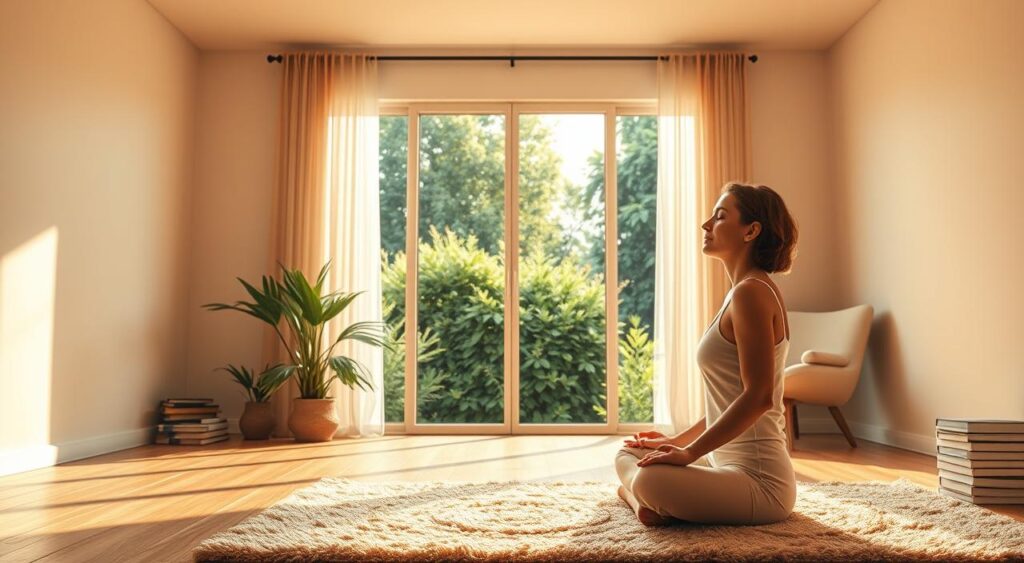
Moving to an empty nest can be tough. But it also gives a great chance to focus on self-care. To be happy in this new chapter, taking care of your mind and body is key. Let’s look at some ways to do just that.
Prioritizing Mental Health
Mental health is huge for overall happiness. Doing things that clear your mind and keep emotions steady is good. Meditation, writing in a journal, and therapy can really help. Making time for these can keep you feeling good during changes.
Engaging in Physical Activity
Being active is not just good for your body. It also helps your mind. Regular exercise can make you feel happier, more energetic, and healthier. You might take daily walks, try a gym class, or start a new sport. Picking an activity you like helps you stick with it. It’s key to enjoying this new stage of life.
| Activity | Benefit |
| Meditation | Enhances mental clarity |
| Journaling | Improves emotional stability |
| Therapy Sessions | Provides professional support |
| Daily Walk | Increases energy levels |
| Fitness Class | Promotes social interaction |
| New Sport | Boosts physical health |
Embracing Lifelong Learning
Lifelong learning keeps your mind lively and gives you a new purpose. By learning new skills, you stay sharp and content, and you might even consider taking a course at a college or university to further expand your horizons.
Taking Classes or Workshops
Local classes and workshops are great for meeting others with similar interests. Whether it’s cooking, pottery, or photography, you can enrich your life. These interactive experiences bring joy and new friends.
Exploring Online Learning Opportunities
Technology makes the entire world a classroom. With sites like Coursera, Udemy, and Khan Academy, you can find courses on topics you love. Learning online lets you learn on your schedule, making it easy to keep seeking knowledge.
Rediscovering Passions
Rediscovering passion after raising kids is both exciting and fulfilling. Travel and creative activities bring back the joy that was put aside during the busy years of parenting.
Travel and Adventure Ideas
Travel opens up a world of possibilities for finding passion again. Exploring new places, experiencing different cultures, and having unique adventures can enrich your life. From road trips in the U.S. to overseas travels, each journey adds a new story.
Whether you love busy cities, quiet beaches, or historic sites, there’s an adventure waiting for you.
Creative Outlets: Art and Writing
Artistic activities can deeply fulfill your creative needs. Painting or drawing lets some people express feelings they can’t put into words. Others find that writing is a way to escape. They write stories, personal thoughts, or even start on the path to authorship.
Activities like these provide a space for rediscovery and self-expression. They rekindle passions that were once forgotten, providing a means of coping .
Supporting Your Children from Afar
It feels rewarding to support your kids even after they’ve moved out. It’s about finding the right balance in your relationship with your children . You need to encourage their independence while still being there for them. This balance is crucial for healthy family dynamics.
Open Lines of Communication
Good communication is key in any relationship. Let your kids know they can talk to you anytime about their own life . They might need advice, someone to listen, or just to catch up. Talking often helps you know what they need without stepping over the line.
Setting Healthy Boundaries
Supporting your grown-up kids also means respecting their space. Talk about what you both expect and make sure everyone understands these boundaries. This is important for healthy family dynamics, making everyone feel important and respected.
Creating a New Home Environment
When your kids move out, it’s the perfect time to refresh your home. You can redecorate or move to a smaller place that fits your new needs. Making these changes can be exciting and breathe new life into your home. The house may feel quieter or different after children leave, highlighting the emotional shift in your familiar environment.
Redecorating and Downsizing
Start your empty nest home transformation by picking new colors, updating furniture, or hanging new art. Downsizing can help you cut down on unused space, save on upkeep, and reduce bills. You might even consider moving to a place that better fits your life now and in the future.
Cultivating a Space for Yourself
In your updated home, set aside a personal space just for you. This could be a cozy reading spot, a home office, or a place to enjoy your hobbies. Having a special area can really improve your everyday life and give you a sense of personal spac . It gives you a personal escape to relax and recharge.
Developing a Future Vision
As you start this new part of your life, having a vision for the future is key. It’s about knowing your dreams and setting goals that mean something to you. This chance lets you find your purpose, match your actions with what you love, and create a future that keeps you excited every day.
Goal Setting for the New Chapter
Setting clear, achievable goals is crucial for planning your future. Start by figuring out what’s important to you and where you want to put your energy. It could be growing in your career, seeing the world, or starting new hobbies. Having a solid plan helps you stay on path. Split your goals into smaller steps to make steady progress. Remember, setting goals is ongoing and changes as you do.
Maintaining a Positive Mindset
Keeping a positive attitude is vital during life’s changes. Stay optimistic by being with supportive people, practicing mindfulness, and celebrating your wins, no matter how small. A positive attitude, as many empty nesters find, not only makes you feel better but also helps you face challenges bravely. Your outlook shapes your life, so focus on the future’s bright spots. By staying positive, you’re setting the stage for a happier, more successful future.
FAQ
What is Empty Nest Syndrome?
Empty Nest Syndrome happens when parents feel sad and lost after their kids leave home. This could be because the kids are off to school, work, or starting their own families. Parents might feel lonely, useless, and struggle with who they are without their kids around.
What emotional impact does empty nesting have on parents?
Parents might feel sad all the time, like they’ve lost their purpose, and worry about not being needed as much. These feelings come from moving to a stage where they’re not parenting every day.
What are the signs you’re experiencing Empty Nest Syndrome?
If you’re always sad, feel like you don’t matter, worry about your role as a parent, and don’t know what to do with yourself, If you’re always sad, feel like you don’t matter, worry about your role as a parent, and don’t know what to do with yourself since school drop offs ended, you might be experiencing Empty Nest Syndrome.
How do I acknowledge the changes during the empty nest transition?
It’s important to accept that things are changing. Let yourself be sad about it but also try to find comfort in how your family’s growing.
How can I embrace new opportunities after my children leave home?
See this time as a chance to find out who you are besides a parent. Try picking up hobbies you used to love or start something new to fill your time and find joy.
How do I reflect on my role as a parent during this transition?
Think about the good you’ve done for your kids and know that you still matter. Talk openly with them and set boundaries that work for both of you.
What hobbies and interests can I explore during the empty nest phase?
Go back to activities you loved before or find new interests. Traveling, creating art, writing, or learning something new can all be fulfilling.
How can volunteering in my community help me find purpose?
Volunteering gives you a chance to connect with others and feel good about helping. It’s a great way to stay socially and emotionally engaged.
Should I consider starting a new business or side project during this stage?
If you’ve got an idea or passion, now’s a great time to chase it. Starting something new can add excitement and purpose to your life.
How can I reconnect with my partner during the empty nest phase?
Spend quality time together. Find things you both like to do, plan dates, or travel. It’s a chance to strengthen your relationship.
How can I build stronger friendships after my children leave home?
Reconnect with old friends or find new people who share your interests. A strong social network can offer support and fun.
Why is prioritizing mental health important in the empty nest phase?
Taking care of your mental health can help you adjust and stay stable. Try mindfulness, therapy, or support groups to feel better.
What are some ways I can engage in physical activity during the empty nest phase?
Staying active is key. Try walking, yoga, or join a club. Exercise is good for both your body and your mind.
How can lifelong learning benefit me after retirement?
Keep learning to stay sharp and fulfilled. Take classes, attend workshops, or explore online to stay connected and engaged.
What are some travel and adventure ideas for empty nesters?
Now’s your chance to go places you’ve dreamed of. Try going alone, with your partner, or with a group for fun and adventure.
How can creative outlets like art and writing help in this new phase?
Creative activities can help you express yourself and bring joy. Try art, writing, or something new to relax and have fun.
What are the best ways to maintain open lines of communication with adult children?
Keep in touch but respect their space. Use technology to stay close, and talk in a way that’s supportive and open.
How do you set healthy boundaries with your adult children?
Make your boundaries clear and talk about them. You both need independence but can still have a loving relationship.
How can I redecorate and possibly downsize my home during this phase?
Think about what you need now and change your home to fit your life. You might want to make it cozier or even move to a smaller place.
How do I cultivate a personal space for myself?
Make special spots in your home for your hobbies and interests. They should reflect your current interests and offer comfort.
What does goal setting entail in this new chapter of life?
Set goals that excite you and keep updating them. They should match your changing interests and lifestyle.
How can I maintain a positive mindset in the empty nest phase?
Look for the good in this new chapter. Be thankful, try new things, and surround yourself with positivity to stay hopeful.