


Federal benefits for veterans are great, but many states offer even more, including the veterans benefits banking program. These perks might be free college tuition, tax breaks, special license plates, and cash bonuses for serving. It’s important to know the different benefits each state provides through their veterans affairs to get the most support for you and your family.
In Florida, the Deputy Executive Director, James S. ‘Hammer’ Hartsell, has been instrumental in promoting educational and recreational opportunities for wounded veterans.
Veterans Affairs Commissioner Thomas J. Saadi has highlighted various benefits and programs available to veterans in Connecticut, including eligibility criteria for charitable organizations and state benefits for veterans with Other Than Honorable discharges.
State VA programs are different everywhere because they’re designed for the specific needs of veterans in each state. This means you might find support that fits your life better, like educational help or tax relief. Every state has its own set of unique advantages for disabled veterans with service connected disabilities that can really help improve your life.
Introduction to Veteran Benefits
The Department of Veterans Affairs (VA) provides a wide range of benefits to eligible veterans, including disability compensation, education benefits, and healthcare services. These benefits are designed to support veterans who have served in the armed forces and have been discharged under conditions other than dishonorable. In addition to federal benefits, many states offer state-specific benefits and incentives to veterans, including property tax exemptions, free hunting and fishing licenses, and employment preferences.
To be eligible for these benefits, veterans must meet certain requirements, such as having a service-connected disability or being honorably discharged. The VA disability benefits are an essential part of the veterans’ benefits, and understanding the process of applying for them is crucial. The Veterans Benefits Banking Program (VBBP) and the Volunteer Income Tax Assistance (VITA) program are also available to help veterans with their financial needs. These programs provide valuable resources for managing finances and ensuring that veterans receive the support they need to thrive in civilian life.
Key Takeaways
- State-specific veteran perks can provide unique benefits beyond federal provisions.
- Understanding veterans benefits by state helps you access additional support.
- State-specific VA programs tailored to regional needs enhance the quality of life.
- Benefits can include educational incentives, tax breaks, and specialized services.
Overview of Veteran Perks in the United States
Veterans in the United States have access to a range of benefits. These rewards honor their service and help qualified veterans adjust to civilian life. It’s vital for vets to check out the perks their state offers along with va benefits, as each one has different benefits.
Wartime veterans, in particular, can receive specific financial benefits such as property tax deductions, especially if they have a service-connected disability rating. These deductions can vary based on their disability status and age, including military pensions providing significant tax exemptions as part of the broader benefits offered to veterans in different states.
Importance of State-Specific Benefits
Benefits that are specific to each state are very important. Military affairs play a crucial role in providing resources and pathways for veterans to succeed in civilian life. They provide support that meets the local needs and resources. Members of the armed forces, including both military members and veterans, can find everything from educational grants to tax breaks. It’s key for them to understand what their state offers to get the most help.
The Role of State Governments
State governments are key in adding to what the federal government offers. They put money aside, pass laws, and start programs for vets’ unique needs. Many states also offer veterans preference in government contracting and hiring practices to support veteran-owned businesses and employment. This teamwork helps vets find support that fits their specific situation and connects them to veterans affairs.
The Wyoming Veterans Commission plays a crucial role in promoting state benefits for veterans, including the state’s only veterans cemetery and honorary high school diploma program.
Federal vs. State Benefits
Federal benefits set a foundation of support for vets. But, state benefits can offer extra or fill in the gaps. States may provide special housing or healthcare that’s not available federally. This combined support from both levels, including disability compensation for military service , makes sure vets across the country get strong help.
For example, the acting executive director of the Missouri Veterans Commission, Ryon Richmond, has initiated programs to support veterans and their families, focusing on access to veterans’ cemeteries and professional licensing for military spouses.
Federal Benefits for Veterans
Overview of Federal Support Programs
The Department of Veterans Affairs (VA) offers a comprehensive range of federal benefits designed to support eligible veterans in their transition to civilian life. These benefits include disability compensation, education benefits, healthcare services, and home loan guarantees. Each program is tailored to recognize the service and sacrifices of veterans and to provide the necessary support for their well-being.
For instance, the VA’s Vocational Rehabilitation and Employment (VR&E) program is specifically designed to assist veterans with service-connected disabilities in preparing for and finding suitable employment. This program offers personalized counseling, job training, and other resources to help veterans achieve their career goals. Additionally, the VA’s Education and Career Counseling program provides tailored support to help veterans navigate their educational and career paths, ensuring they have the tools and guidance needed to succeed.
The VA also offers healthcare services through its extensive network of VA medical centers and clinics, providing comprehensive medical care to eligible veterans. This includes preventive care, mental health services, and specialized treatments for service-connected conditions. By leveraging these federal benefits, veterans can access a wide range of resources to support their health, education, and overall quality of life.
How Federal Benefits Complement State Perks
Federal benefits provided by the VA are designed to complement state-specific benefits, creating a robust support system for veterans and their families. While state benefits can vary significantly, federal benefits are uniform and available to all eligible veterans, regardless of their state of residence. This dual-layered approach ensures that veterans receive comprehensive support tailored to their unique needs.
For example, the VA’s disability compensation program offers a monthly tax-free benefit to veterans with service-connected disabilities. This federal benefit can be supplemented by state-specific perks, such as property tax exemptions or additional financial assistance for disabled veterans. Similarly, the VA’s healthcare system provides essential medical services, which can be enhanced by state programs offering specialized clinics or mental health services.
The VA’s home loan guarantee program is another excellent example of how federal and state benefits work together. This program helps veterans purchase or refinance homes with favorable lending terms and lower interest rates. Many states offer additional support, such as down payment assistance or property tax relief, making homeownership more accessible and affordable for veterans.
By combining federal and state benefits, veterans can access a comprehensive array of resources and services, ensuring they receive the support they need to thrive in civilian life.
Tax Benefits for Veterans by State
Understanding tax benefits for veterans is crucial for financial savings. Each state has its own benefits for veterans. Let’s look at the main types of tax benefits available by state.
Property Tax Exemptions
Many states give property tax breaks to veterans. These breaks can be partial or full, especially for honorably discharged veterans with disabilities. For example, California cuts property taxes for disabled veterans. Texas also offers big exemptions depending on the disability level.
Income Tax Exemptions
Income tax breaks are also a big perk for veterans in many states. States like Florida and Nevada don’t even have state income tax. Plus, lots of states don’t tax military retirement income, providing exemptions that can save veterans a lot of money based on age, disability status, or residency.
Sales Tax Discounts
Sales tax discounts are another way states help veterans save. Some states lower sales tax for veterans’ purchases. North Carolina, for example, gives discounts all year. Other states have special discount periods for veterans. Veterans who are permanently disabled can also qualify for specific sales tax discounts, which can significantly reduce their financial burden.
| State | Property Tax Exemptions | Income Tax Exemptions | Sales Tax Discounts |
| California | Substantial reductions for disabled veterans | Excludes military retirement pay | Seasonal discounts |
| Florida | Full exemption for 100% disabled veterans | No state income tax | Year-round discounts |
| Texas | Extensive exemption based on disability rating | Excludes military retirement pay | Limited seasonal discounts |
| North Carolina | Property tax relief program | Partial exclusions | Year-round discounts |
Knowing and using these state-specific benefits is key. Be sure to check what your state offers to make the most of your benefits.
Education Benefits Available to Veterans
Veteran residents moving back to civilian life should be aware of the educational benefits available to them. Different states offer special help for veterans to reach their school and career goals. By looking into these options and programs, veterans can find important resources for education.
In-State Tuition for Veterans
Many places let veterans pay the cheaper in-state tuition, no matter where they lived before. This makes college more affordable and lets veterans study without worrying about extra costs. Wyoming veterans, for example, can benefit from specific in-state tuition programs designed to support their educational goals. It’s really important for an eligible veteran to check out these programs to save money on school.
Scholarships and Grants for Active-Duty Members
There are also many scholarships and grants just for veterans and those still serving. These funds help veterans go after their school dreams. They can pay for things like classes, books, and other needs, making it easier for veterans.
Tribal veterans service officers in South Dakota play a crucial role in helping veterans access educational benefits, ensuring they receive both state and federal support.
Vocational Training Programs
Veterans can also get training for specific jobs through special programs. These programs work with local companies to give real work experience. This helps veterans find good jobs and adjust to not being in the military anymore.
| State | In-State Tuition | Scholarships & Grants | Vocational Training |
| California | Yes | CalVet College Fee Waiver | Yes |
| Texas | Yes | Hazlewood Act | Yes |
| Florida | Yes | Florida Bright Futures | Yes |
Healthcare Benefits Tailored for Veterans
It’s important for different states in the United States to provide good healthcare for veterans. The Veterans Affairs office plays a crucial role in assisting veterans with accessing their state and federal healthcare benefits. Each state has its own healthcare benefits. These benefits address veterans’ unique needs. They can really improve the lives of veterans.
Access to State Health Plans
Veterans can choose from many state health plans made just for them. These plans help with everything from regular checkups to care for long-term illnesses. By using these resources, veterans can enjoy lower costs and better coverage.
Greg Whitlock encourages veterans to engage with state health plans for better coverage.
Mental Health Services for Veterans
Mental health care is key for veterans, with states offering strong programs. Veterans with a service connected condition, such as PTSD, can access specialized mental health programs tailored to their needs. Issues like PTSD and depression are addressed. In places like California and Texas, veterans get the help they need from special centers and groups.
Mississippi Veterans Affairs also provides comprehensive mental health programs for veterans, ensuring they receive the necessary support and resources.
Specialized Medical Clinics in Different States
Special clinics are crucial for veterans’ health care. Run by state funds, they offer advanced treatments and therapies. Veterans benefit from rehab services to surgeries, getting top medical care.
| State | Health Plan Coverage | Mental Health Services | Specialized Clinics |
| California | Extensive Coverage for Chronic Conditions | PTSD, Depression Programs | Advanced Surgical Care |
| Texas | Low Deductible Plans | Veteran Support Groups | Rehabilitation Centers |
| Florida | Comprehensive Preventive Care | Anxiety Treatment Facilities | Medical Expertise Clinics |
Housing Programs for Veterans
Veterans can find special housing programs to suit their needs. These programs vary by state for service members, but they all aim to offer affordable housing. They help veterans who are fighting homelessness.
The VA healthcare system also plays a crucial role in supporting veterans’ housing needs by providing comprehensive coverage, including preventative care, emergency treatment, and mental health services, which are essential for maintaining stable housing.
Home Loan Benefits by State
One key benefit for an honorably discharged veteran is home loan perks that differ by state. Such benefits often mean lower interest rates and smaller down payments. This makes buying a home easier and supports financial stability for veterans.
Support for Homeless Veterans
There are also state programs to help homeless veterans get housing. They offer shelters, long-term housing, and support services. The Volunteer Income Tax Assistance (VITA) program is another valuable resource, providing free tax preparation services to individuals, particularly veterans, who earn $56,000 or less. These efforts are vital in helping veterans move from homelessness to a stable life.
State Housing Assistance Programs
State programs aim to help veterans buy or rent homes more easily. They give grants, subsidies, and other financial help to lower housing costs. Taking advantage of these benefits can greatly enhance a veteran’s life and future.
Employment Resources for Veterans
Military retirees and veterans stepping back into civilian life have many job help options. Each state has its tools for jobs, training, and starting a business. These can really help veterans get good jobs.
Job Placement Services
For veterans looking for jobs, some services are key. Many places have special programs to find veterans work that fits their skills. This includes help with resumes, practicing for interviews, and finding companies that want to hire veterans.
Additionally, many states offer free hunting and fishing licenses as a benefit, which supports veterans’ mental health and well-being by allowing them to enjoy outdoor activities without the financial burden of permits or licenses.
Training and Certification Programs
States offer training and certificates to help veterans get ready for work. These programs teach skills needed in various jobs related to military service like tech, healthcare, and security. It’s a way for veterans to be competitive in the job market.
The Director State Office of Veterans’ Services, Ronald Han, oversees these veteran training programs, ensuring they meet the needs of veterans and help them transition into civilian careers.
Entrepreneurship Grants and Loans
Veterans wanting to start their own business have support too. States give grants and loans to help with this. This money helps veterans build their businesses, which is good for local economies and shows the strong role of veterans in business.
Filing a disability claim is also important for veterans to access financial support that can be crucial for starting a business.
Disability Compensation and Rating
Understanding Disability Ratings
Disability compensation is a vital federal benefit provided by the VA, offering a monthly tax-free payment to veterans with service-connected disabilities. The amount of compensation is determined by the VA’s disability rating system, which assigns a percentage rating based on the severity of the veteran’s condition. These ratings range from 0% to 100%, with higher ratings indicating more severe disabilities and higher compensation levels.
A 0% rating acknowledges that the veteran’s condition is related to their military service but does not warrant compensation due to its minimal impact on their daily life. Conversely, a 100% rating signifies that the veteran’s disability is totally disabling, significantly affecting their ability to work and perform daily activities. Veterans with a 100% disability rating are eligible for the highest level of compensation and may also qualify for additional benefits, such as Special Monthly Compensation (SMC).
SMC is an extra benefit provided to veterans with severe disabilities, such as the loss of use of specific organs or limbs. This additional compensation helps cover the costs of specialized care, adaptive equipment, and home modifications, ensuring that veterans receive the support they need to manage their conditions effectively.
Understanding the VA’s disability rating system is crucial for veterans navigating the claims process. By knowing their rating and the associated benefits, veterans can access the necessary resources to improve their quality of life and manage their service-connected disabilities effectively.
Recreation and Leisure Discounts
Veterans’ benefits aren’t just basic needs. They also include discounts on fun and leisure activities. These offers help veterans enjoy life more and connect with others.
State Parks and Recreational Areas
In many places, a disabled veteran can visit state parks for free or at a lower cost, benefiting from specific allowances tailored for them. This is great for staying healthy and relaxing outdoors. It’s a way for them to enjoy nature and take a break.
For example, Texas lets veterans into state parks for free. California gives them cheaper yearly passes. These deals, including discounts on hunting and fishing licenses, make it easier for veterans to see and enjoy the outdoors without worrying about money.
Discounts on State Events and Shows
Veterans also get discounts on events and shows in their state. This includes things like sports games, concerts, and festivals. It’s a fantastic way for them to have fun and feel part of their community.
The North Carolina Department offers recreational benefits to veterans, including discounts on state events and shows.
Take a look at these examples of what some states offer:
| State | Park Access | Event Discounts |
| Texas | Free Admission | Up to 50% Off |
| California | Discounted Annual Pass | Varies by Event |
| Florida | Free for Disabled Veterans | Special Discounts |
Legal Benefits for Veterans
Many veterans face legal challenges. There are special programs in each state to help veterans with these issues. These programs, including va disability benefits, are designed to meet the unique needs of veterans.
Legal Assistance Programs
Every state has legal help programs just for veterans. They offer free or low-cost aid for family law, housing, and job rights. Unmarried surviving spouses of veterans can also access specific legal benefits, such as commissary and exchange store privileges, and eligibility for low-interest mortgage loans through various state programs. Using these resources, veterans can tackle their legal problems effectively.
Special Veteran Courts by State
Some states have special courts for veterans. These courts focus on helping rather than punishing. They connect veterans to treatment and support for a better life.
For example, special veteran courts available to Georgia’s veterans provide crucial legal support, ensuring they receive the help they need.
Transportation Perks for Veterans
Veterans in various states get benefits that make getting around easier. The Pennsylvania Department of Military and Veterans Affairs offers specific transportation benefits to veterans, such as the Blind Veterans Pension and the PA VetConnect initiative. These perks go beyond just being handy, especially for totally disabled veterans. They help improve veterans’ daily lives and show appreciation for their service.
Discounted or Free Public Transportation
One major benefit for veterans is cheaper or free public transport. Many states cut costs or waive them entirely as a thank you. This help is crucial for veterans facing money issues or who can’t move around easily.
Special Parking Privileges
Military veterans also benefit significantly from special parking privileges. They can park closer to entrances of places, making access easier. These parking spots are a big help, particularly for those with disabilities or mobility problems.
Support Services for Families of Veterans
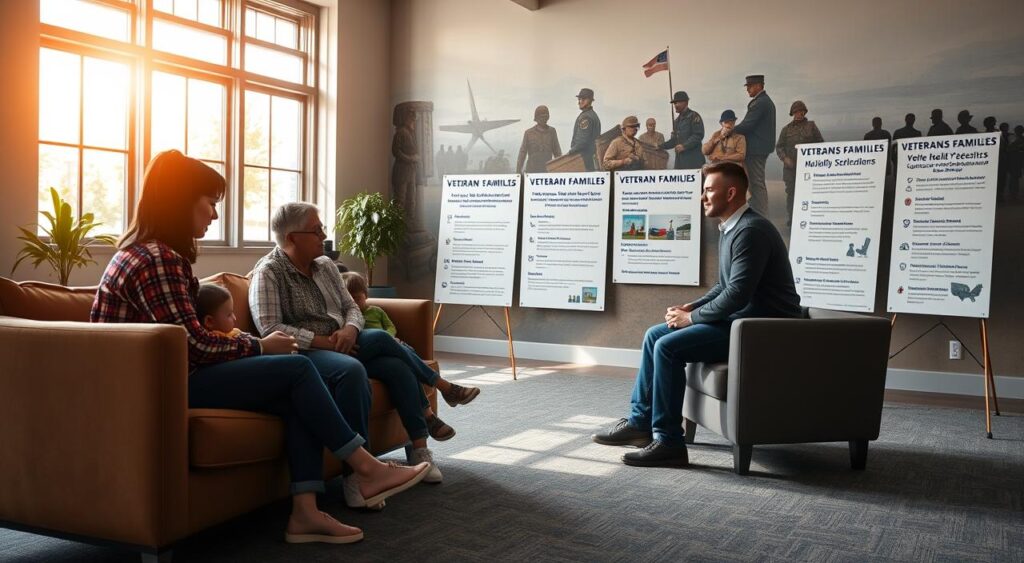
It’s very important to help not just veterans but also their families and caregivers. States support veterans’ loved ones by offering special services, including caregiver support. State tax exemptions also play a crucial role in supporting veterans’ families by providing financial relief on military retirement income. This helps ensure everyone involved is well taken care of.
Benefits for Spouses and Dependents
States have special programs for veterans’ families. These include schooling, medical care, and money help.
The Dependents Educational Assistance program provides financial assistance for education and training, emphasizing the support for dependents of veterans who are currently receiving specific benefits or who have died in service.
- Educational Benefits: Families can get lower tuition, scholarships, and grants to make college more affordable.
- Healthcare Services: States offer health insurance that helps care for veteran families, keeping them healthy.
- Financial Assistance Programs: States give financial support to help with bills and other expenses during tough times.
Programs Supporting Caregivers
Caregivers are very important to veterans. They offer constant help and care. States create programs to help these caregivers.
Caregivers of veterans can also access durable medical equipment through various state programs, ensuring they have the necessary supplies to support their loved ones’ health and well-being.
- Respite Care Services: These give caregivers a break, so they can rest and take care of themselves.
- Mental Health Support: States offer counseling and groups to help caregivers deal with stress and emotions.
- Training and Certification: Caregivers can get training to learn how to give better care to veterans.
Unique Local Resources and Services
Local veteran groups and community projects are key for veteran support. They offer special local services and help veterans become part of the community. These groups provide extra benefits, filling in the gaps that larger state or federal programs might not cover.
Veteran Service Organizations
Many organizations are dedicated to helping veterans at the state and local levels. For instance, the Veterans of Foreign Wars (VFW) and the American Legion. They help with VA claims, job resources, and networking within the community.
These organizations also offer specific programs for World War II veterans, such as specialty license plates, honorary diplomas, and education benefits like the GI Bill, to honor their sacrifices and support their needs.
Community Support Initiatives
Community efforts are vital for a complete support system for veterans, especially when it comes to staying informed about military benefits. These are often run by non-profits and local governments. They offer housing, mental health support, and help for families tailored to what veterans need. This way, veterans get the most out of state benefits.
- Veterans of Foreign Wars (VFW)
- American Legion
- Local Government Programs
- Non-Profit Support Initiatives
These local resources play a big role in supporting veterans. They help veterans blend into their communities. They also meet their unique needs and make state veteran assistance programs better.
State-Specific Benefits and Incentives
Each state has its own unique benefits and incentives for veterans, which can vary widely. For example, some states offer property tax exemptions for totally disabled veterans, while others provide free tuition for veterans attending state colleges and universities. The Montana Veterans Affairs Division, for instance, offers a range of benefits, including financial assistance and employment support. In Illinois, veterans can receive free state park passes and discounts on hunting and fishing licenses. The Mississippi Veterans Affairs Board provides assistance with disability claims and offers a range of other benefits, including education benefits and job training. Many states also have their own veterans affairs offices, which can provide information and support to veteran residents. The VA healthcare system is also an essential part of the benefits, providing medical care to eligible veterans. The Veterans Affairs Commissioner Thomas and the Veterans Benefits Administrator are responsible for overseeing the benefits and ensuring that eligible veterans receive the support they need.
Some states also offer additional benefits, such as the Dependents Educational Assistance (DEA) program, which provides education benefits to dependents of disabled veterans. The Caregiver Support Program is another example of a state-specific benefit, which provides support to caregivers of veterans. Military retirees and veteran residents can also benefit from the state-specific benefits, such as property tax exemptions and employment preferences. The Chief Deputy Secretary and the Executive Deputy Director of the state veterans affairs offices are responsible for administering these benefits and ensuring that eligible veterans receive the support they need. The service-connected disabilities and the service-connected disability rating are essential factors in determining eligibility for the benefits. The VA medical center and the hunting and fishing licenses are also part of the benefits that eligible veterans can receive.
How to Access State-Specific Veteran Perks
Accessing state-specific services can really improve your life with special local benefits. There are steps and resources you should follow to use these services well.
Veterans can also take advantage of free tax preparation services through programs like the Volunteer Income Tax Assistance (VITA), which offer complimentary tax return preparation and electronic filing.
Steps to Verify Eligibility
First, you need to check if you’re eligible. You can do this at your state’s veteran affairs department. These websites have all you need like links, forms, and how to contact them. Make sure you have your military records and ID ready.
Many states offer a veteran designation on driver’s licenses, which provides veterans with easy access to various state benefits and recognition of their service.
Resources for Finding Benefits
Many resources can help you find state-specific benefits. State websites have lists of benefits like tax breaks and school grants. Local veteran groups can help too. They guide you in applying and tell you about new benefits you might get.
The executive deputy director of the New York Department of Veterans’ Affairs, Joel Evans, plays a crucial role in providing resources such as financial assistance and restorative benefits for veterans dealing with disabilities or facing discrimination.
Navigating State Websites for Information
State websites are easier to use now, with clear layouts and guides. They keep information about veteran services up-to-date. If you have trouble, contacting the state veteran affairs office can help solve your issues.
FAQ
What are state-specific veteran benefits?
State-specific veteran benefits are perks and services provided by states to complement federal benefits. These include tax breaks, educational grants, and healthcare services. They are tailored to meet veterans’ needs within each state.
How do state benefits differ from federal benefits?
Federal benefits are the same across all states, offering support for all veterans. State benefits, however, vary and are designed to meet local needs. They might include tax exemptions or special health services not covered federally.
Why are state-specific veteran benefits important?
State-specific benefits are important because they meet the unique needs of veterans in different areas. They offer extra support that fits with state budgets and local laws. This helps to ensure that veterans receive comprehensive care and other benefits.
What tax benefits are available for veterans in different states?
Tax benefits for veterans differ by state and can include property and income tax exemptions, plus sales tax discounts. These benefits help by lowering the amount of taxes veterans need to pay.
Can veterans receive in-state tuition rates?
Yes, many states offer in-state tuition rates to veterans and sometimes their families. This makes higher education more affordable.
What kinds of healthcare benefits do states offer to veterans?
State-specific healthcare benefits can include access to state healthcare plans, special clinics, and mental health services. These help ensure veterans get the healthcare they need along with additional benefits .
Are there special housing programs available for veterans?
Yes, there are housing programs for veterans in many states. These include home loans, support for homeless veterans, and housing aid. This helps with affordability and stability.
What employment resources are available for veterans in different states?
Veterans can access job placement services, training programs, and grants for starting a business. These resources help veterans successfully join the workforce.
What are some recreational benefits that states offer to veterans?
States offer discounts on fun activities like access to parks and events. These perks help veterans and their families get involved in the community and stay well.
How do states support the legal needs of veterans?
States provide legal aid programs and veteran-specific courts. These services ensure veterans get the legal help they need, tailored to their situations.
Are there transportation perks for veterans in different states?
Yes, states offer transportation perks like discounted public transport and special parking. This is a big help, especially for those with mobility issues.
What support is available for veterans’ families?
There are many benefits for veterans’ families, including programs for spouses and children, and caregiver support. These ensure military members’ families get the daily support they need.
What unique local resources are available for veterans?
Local resources include veteran service groups and community support programs. These organizations provide extra support services at the local level, including access to fishing licenses .
How can veterans verify their eligibility for state-specific benefits?
To check eligibility, veterans should look at state services online and contact state veteran affairs departments. Keeping up with state updates and talking directly with these offices can clarify available benefits.
Where can I find resources for accessing state-specific veteran benefits?
Resources for state veteran benefits are on state websites, through contacting state veteran affairs offices, and by checking state pages for veterans’ services.