



Everyone needs healthy sleep habits, but they are crucial for older adults. As we get older, a regular bedtime schedule can greatly boost well-being. Good sleep habits for seniors means making a routine that incorporates healthy habits helps with sleeping better and staying healthy.
Setting up a bedtime routine is more than sleeping at the same time each night; it can also promote healthy sleep. Bedtime routines involve adding calming activities before bed and making sure where you sleep helps you rest. Putting a child to bed when they are awake but tired can help establish a healthy sleep pattern. By taking simple steps, you can make a bedtime routine that fits your life. This can help you sleep deeper and feel more refreshed.
Key Takeaways
- Understanding and implementing senior sleep hygiene is crucial for older adults.
- Establishing a consistent bedtime routine enhances your sleep quality.
- Incorporate relaxing activities into your bedtime routine.
- A comfortable sleep environment is essential for restful sleep.
- Consistent sleep patterns contribute to better overall health.
Understanding Senior Sleep Hygiene
As people get older, good sleep habits become more important. A great elderly sleep routine improves sleep and overall health, including cardiovascular health . Let’s explore what sleep hygiene is and why it matters so much for seniors.
What is Sleep Hygiene?
Sleep hygiene includes habits that help you sleep better. It involves keeping a regular sleep schedule, making your sleeping area peaceful, and having calming activities before bed. These steps make it easier for you to have a good night’s sleep. Exposure to bright lights before bed can disrupt your body’s ability to relax and transition into sleep, so it’s important to create a dark and quiet bedroom environment to achieve a good night’s sleep.
Importance of Sleep Hygiene for Seniors
For seniors, having good sleep hygiene is key. Bad sleep can lead to lots of health problems, like weak immune systems, memory issues, and more falls. By following a good sleep routine and consulting with sleep medicine , seniors can sleep better and feel more refreshed.
Common Sleep Issues Faced by Seniors
As we grow older, we may start having trouble sleeping. This is due to several reasons, creating unique challenges for sleeping well in old age. Knowing these sleep problems can help us find good solutions for better sleep.
Insomnia in Older Adults
Many older people struggle with insomnia. This issue can be due to health problems, difficulty falling asleep medicine, or changes in how we live. Trouble with getting to sleep, staying asleep, and waking up too early can really affect our sleep health. If not dealt with, insomnia could lead to more serious problems like depression and anxiety. Establishing a consistent bedtime routine can help signal the brain to naturally feel tired at night, promoting better sleep.
Effects of Medications on Sleep
Many older adults use medicines for long-term health issues, which might mess with sleep. Some drugs make you sleepy during the day, while others may wake you up at night. It’s key to talk with your primary care physician about how your meds affect your sleep. Together, you can look for ways to improve your sleep.
Understanding Sleep Apnea
Sleep apnea is common in older adults and can prevent them from getting a good night’s sleep, hurting their overall sleep health. It happens when your breathing stops and starts again while you’re asleep. This can wake you up often and make your sleep poor. Usually, sleep apnea is treated with CPAP machines, changes in lifestyle, or sometimes surgery.
Improving sleep for seniors means figuring out these issues and finding the right solutions. This can help improve both sleep and overall health. A good night’s sleep is crucial for overall health and well-being, as it significantly affects mental health, stress levels, and cognitive performance.
Benefits of Good Sleep Hygiene
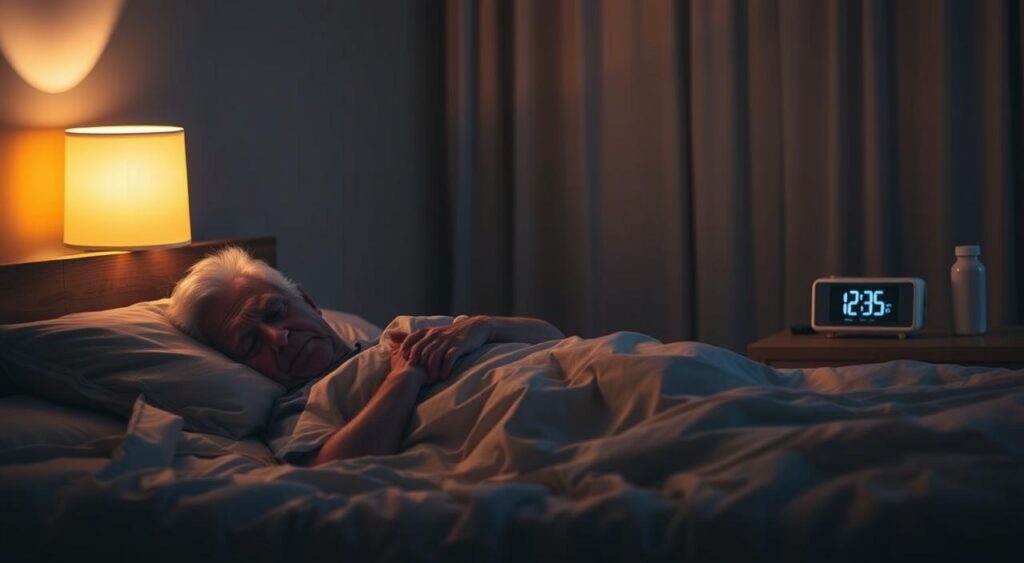
Good sleep hygiene is very important for older adults, helping them achieve seven to nine hours of restful sleep . It greatly improves their life quality. The benefits are huge, especially for their physical and mental health.
Physical Health Benefits
Senior sleep hygiene helps avoid many health problems. Good sleep can lead to a healthier heart and less disease risk when combined with a healthy diet . It also boosts the immune system.
Sticking to a sleep schedule keeps blood pressure in check. Good sleep can lessen chronic pain and fight off inflammation. This means seniors can be more active and feel less pain.
Mental Health Benefits
Aging and sleep hygiene have a strong link to mental health. Good sleep habits can lower depression and anxiety. They also keep the mind sharp, helping with memory and clarity.
A regular sleep routine keeps emotions stable. It leads to a happier life outlook. This is very important for aging individuals.
Creating a Comfortable Sleep Environment
Creating a peaceful sleep space is key, especially for older adults. Comfortable sleeping areas improve sleep quality and support the sleep needs of seniors.
Ideal Bedroom Setup
Your bedroom’s arrangement is crucial for a good night’s sleep. Preparing for sleep before your head hits the pillow is essential; start with a supportive mattress that fits your body’s needs, reducing discomfort. Use breathable organic cotton or linen sheets to help control your body temperature at night.

Make your room clutter-free for a calm atmosphere. Blackout curtains can also cut down on light, making it easier to sleep without distractions. A sturdy, non-slip rug by your bed can prevent falls. Managing light exposure, especially avoiding bright lights and blue light from electronics before bedtime, is essential for better sleep quality.
Importance of Darkness and Quiet
Darkness tells your body it’s time to relax and makes falling asleep easier. Use eye masks or heavy curtains to block outside light. To limit noise, consider a white noise machine or earplugs to keep out sounds from traffic or the house.
A distraction-free space is crucial for helping older adults sleep better and feel less tired . This improves their well-being.
Optimal Room Temperature
A room that’s too warm or too cold can make it hard to sleep. Keep your room’s temperature between 60-67°F for the best sleep. Adjust your bedding to stay comfortable throughout the night.
These sleep tips for seniors are important for creating a restful space, considering light exposure . They lead to better sleep and healthier lives.
| Component | Ideal Setting |
| Mattress | Supportive, medium-firm |
| Sheets | Breathable, organic cotton or linen |
| Light | Minimal, use blackout curtains |
| Noise | Quiet, use white noise machine if needed |
| Temperature | 60-67°F |
Establishing a Regular Sleep Schedule
Having a regular sleep schedule is key for older adults’ sleep wellness. Waking up and going to sleep at consistent times aids in setting your body’s clock.
Benefits of Consistent Sleep Times
Sticking to regular sleep hours is super important for good sleep in seniors. It makes falling asleep easier and sleep deeper. Plus, maintaining a consistent wake-up time boosts alertness and mood during the day.
Tips for Creating a Sleep Schedule
- Set a Regular Bedtime: Pick a bedtime that gives you 7-9 hours of sleep and follow it, even on weekends.
- Create a Pre-Sleep Routine: Do calming activities like reading or a warm bath to get ready for sleep.Carry out these activities in the same sequence each night to help your body recognize that it’s time to unwind.
- Limit Naps: If you nap, do it early and keep it brief to not mess up your night sleep.
- Adjust Gradually: For a new sleep schedule, slowly adjust by shifting your sleep times by 15 minutes each night.
- Stick to a Consistent Schedule: Stick to a consistent sleep schedule by setting specific bedtime and wake-up times daily. This helps reinforce your body’s natural sleep-wake cycle, promoting better sleep quality.
Using these strategies can greatly improve sleep habits and life quality for older adults, leading to more sleep.
The Role of Diet in Sleep Quality
For seniors, eating right is key to sleeping well, but avoid going to bed hungry . Here are tips on how to tweak your diet for better sleep.
Foods That Promote Sleep
Some foods can make your sleep better. Eating foods full of vitamins and minerals helps you sleep soundly.
Foods that are good for sleep include:
- Almonds – They have magnesium, which boosts sleep quality.
- Kiwi – Packed with vitamins C and E for better sleep.
- Chamomile Tea – Its antioxidants may help you sleep well.
- Fatty Fish – With omega-3 and vitamin D, it aids sleep regulation.
Foods to Avoid Before Bed
But, some foods can mess with your sleep.
Avoid these in the evening to improve sleep:
- Caffeine – In coffee and chocolate, it can affect you for hours.
- Spicy Foods – These might upset your stomach and disrupt sleep.
- High-fat Foods – They can cause discomfort and ruin sleep quality.
- Sugary Snacks – Can make you too energetic to sleep.
- Watching TV – The light from screens can disrupt your natural sleep cycle. Turn off screens at least an hour before bedtime and keep the bedroom for sleep and intimacy only.
Choosing the right foods and dodging the bad ones is key to helping seniors get better sleep . A balanced diet, plus sleep tips, can lead to better sleep for seniors.
Incorporating Relaxation Techniques
Relaxation methods hugely improve sleep for older adults. They’re key to better sleep quality as we age. Adding them to your nightly habits can change a lot.
Mindfulness and Meditation
Mindfulness and meditation help calm the mind before sleep. These methods make you live in the now and cut stress. Try easy steps like deep breathing or elder-focused guided meditation.
Gentle Yoga for Better Sleep
Doing gentle yoga before bed can lead to better sleep. It eases both your body and mind. Yoga moves like Child’s Pose, Legs-Up-The-Wall, and Savasana help a lot. Use these light stretches at night to relax and sleep well.
Establishing healthy sleep routines early on is also crucial for a child, as it helps them develop lasting habits that promote better sleep quality.
The Impact of Physical Activity
Understanding how physical activity and sleep connect can really help older adults sleep better. By exercising regularly, seniors can improve their sleep quality. This means they can enjoy deeper, more refreshing sleep.
Exercise and Sleep Connection
Exercise is key for good sleep. It helps regulate your body’s clock, making it easier to fall and stay asleep. For older adults, staying active can lessen insomnia and sleep apnea symptoms. This builds strong sleep habits.
Best Times to Exercise for Sleep
When you choose to work out can really affect how well you sleep. It’s best to exercise in the morning or afternoon. Doing so boosts your energy during the day and won’t mess with your sleep at night. But, working out too close to bedtime may make it hard to fall asleep.

To sleep better, exercise at the right times. This matches up with good senior sleep routines. It encourages sleeping well for older adults.
| Time of Day | Benefits | Drawbacks |
| Morning | Increases alertness, boosts mood, regulates circadian rhythm | May be difficult for night owls |
| Afternoon | Improves sleep onset, fits well into work schedules | May lead to midday fatigue |
| Evening | Relieves stress, increases muscle strength | Can interfere with sleep if too close to bedtime |
Limiting Screen Time Before Bed
To get restful sleep, having a healthy senior bedtime routine is key. It’s important to know that screen time before bed can hurt sleep quality. For better sleep, learn how screens can be a problem and what you can do instead.
Why Screens Disrupt Sleep
Electronic devices like smartphones and TVs send out blue light. This can mess up our natural sleep cycle. Blue light cuts down melatonin, which helps us sleep. When we make less melatonin, falling and staying asleep gets tough, and that’s important for good sleep.
Alternatives to Screen Time
Before bed, try something other than looking at a screen.
Here are ways to make your senior bedtime routine better and sleep well:
- Engage in a relaxing activity like reading a book or listening to soothing music.
- Practice mindfulness or meditation to calm your mind and body.
- Perform gentle stretches or yoga to release tension and prepare for sleep.
- Spend time journaling or writing down your thoughts to clear your mind.
Adding these activities to your senior bedtime routine can really help. No screens means better sleep. Your elderly sleep routine will thank you, and you’ll wake up refreshed.
The Importance of a Pre-Sleep Routine
A good pre-sleep routine is key for better sleep, especially for older adults. It’s about creating habits that tell your body it’s time to relax. Let’s look into some bedtime rituals that can make a big difference in how well seniors sleep and the best time to do them.
Examples of Soothing Bedtime Rituals
Adding calming activities before bed can help signal to the brain that it’s time to go to sleep.
Consider these options:
- Reading a book
- Taking a warm bath
- Listening to soft music
- Practicing gentle stretches
- Engaging in relaxation exercises
- Creating a quick to-do list

These activities tell your brain it’s time to rest, making falling asleep easier. Focusing on sleep hygiene and these routines can really enhance sleep quality.
Timing Your Routine for Effectiveness
When you start your pre-sleep routine matters a lot. Begin to unwind 30 minutes to an hour before bedtime. This gives your body the chance to calm down.
Here are some tips:
- Set a consistent bedtime and follow it.
- Stay away from exciting activities and screens before bed.
- Make sure your sleeping area is peaceful and comfy.
- Do your bedtime routine every night to make it a habit.
Following these practices can help you find sleep solutions that lead to better rest. This improves your well-being.
Monitoring Sleep Patterns
Watching your sleep patterns is key for great senior sleep hygiene. By knowing your sleep habits, you can better your sleep quality. There are several good ways to track and understand your sleep patterns.
Keeping a Sleep Diary
One simple method is using a sleep diary. Write down when you sleep and wake up, and any night wake-ups over multiple nights. This helps spot trends and causes that disrupt your sleep.
Here’s what to track in your diary:
- Time you go to bed
- Time you wake up
- Number of times you wake during the night
- Sleep quality rating
- Daily activities affecting sleep
A sleep diary gives valuable info about your sleep patterns. This is crucial for applying sleep tips for seniors.
When to Seek Professional Help
If tracking your sleep doesn’t help, you might need professional advice. Problems like insomnia or waking up often at night could signal health issues.
Below is a guide on when to get help:
| Sleep Issue | When to Seek Help |
| Insomnia | If it persists for more than a month |
| Nocturnal awakenings | If they occur more than three times a night |
| Restless legs | If discomfort interferes with falling asleep |
Understanding your sleep and knowing when to get help can greatly improve your life. Inadequate sleep can also affect stress levels, making it crucial to address any sleep issues promptly. Use these sleep tips for seniors and ask for help if needed.
Resources for Improving Senior Sleep Hygiene
Finding the right help is key to better sleep for seniors. There are many resources, from expert advice to new tech tools. These can improve your sleep habits and help seniors sleep better.
Sleep Centers and Specialists
Sometimes, sleep problems don’t go away easily. When this happens, sleep centers and specialists can offer help. Places like the Mayo Clinic and Johns Hopkins Medicine provide sleep studies and plans for older adults. A sleep specialist can find problems like sleep apnea and offer specific solutions for better sleep.
Helpful Apps and Technology
Many apps and gadgets today can track and improve sleep quality. Apps like SleepScore and Calm offer tips and help you relax, while devices like Fitbit and Apple Watch monitor your sleep. Using these tools, you can learn about your sleep patterns. This helps you make changes for healthier sleep habits.
FAQ
Why is sleep hygiene important for seniors?
For seniors, good sleep hygiene is key because it makes sleep better. This improves physical and mind health. Getting enough sleep helps with thinking clearly, feeling happier, and lowering the risk of getting sick.
What are common sleep issues faced by seniors?
Older adults often have trouble with sleep issues like insomnia, sleep apnea, and being restless at night. Sometimes, medicines can also mess up sleep.
How does exercise affect sleep quality in older adults?
Being active can help older adults sleep faster and deeper. Yet, it’s best to avoid hard exercise right before bed.
What foods should be avoided before sleep?
Before bed, it’s wise to skip caffeine, alcohol, spicy foods, and big meals. They can make sleeping harder.
What are some foods that promote sleep?
Eating foods like bananas, almonds, warm milk, and whole-grain cereals can help you sleep and fall asleep faster . They have things like tryptophan, magnesium, and vitamin B6.
How can seniors create a comfortable sleep environment?
For good sleep, the bedroom should be quiet, dark, cool, and cozy. Using blackout curtains and keeping it at a good temperature helps a lot.